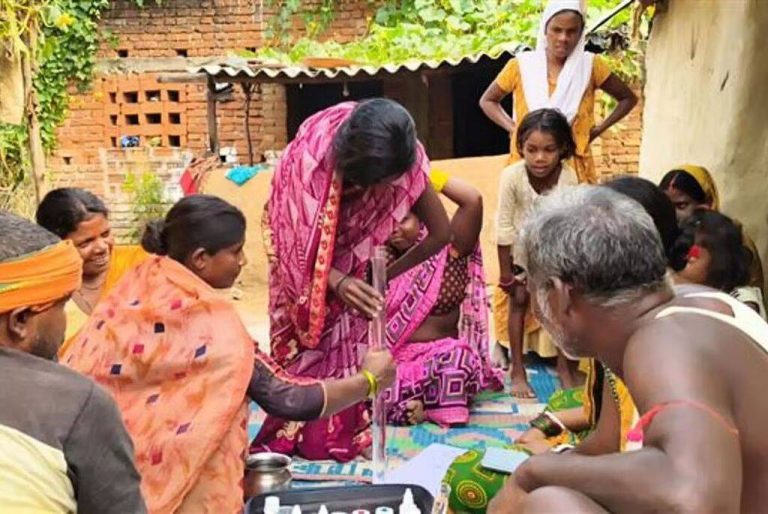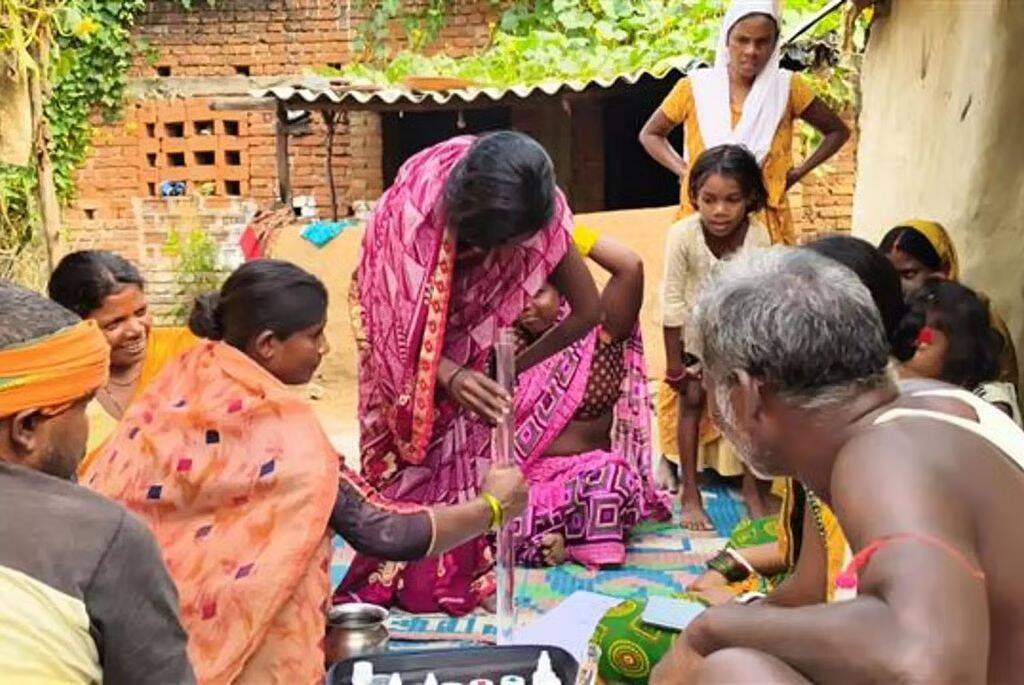
Social beliefs drive rural water adoption: Study
Access to clean drinking water is a fundamental human right, yet millions of people in rural India struggle to get access to safe and reliable water sources. The Indian government has launched several initiatives to improve access to clean water, including the installation of community water purification systems. However, the adoption of these systems has been inconsistent, with some communities embracing them while others have been slow to adopt. A new study has shed light on the factors that influence the adoption of household water purification systems in rural India, and the findings are surprising.
According to the study, the adoption of household water purification systems in rural India depends more on social trust and collective norms than infrastructure access. Communities with stronger peer influence and shared beliefs reported higher uptake of low-cost purification methods. The study suggests that water programs must align with local social dynamics to be effective. This means that policymakers and development organizations need to take into account the social and cultural context of the communities they are trying to serve, rather than just focusing on providing access to technology.
The study, which was conducted in several rural villages in India, found that social beliefs and norms played a significant role in determining whether or not a community adopted a household water purification system. Communities where there was a strong sense of trust and cooperation among neighbors were more likely to adopt these systems, as were communities where there was a shared belief in the importance of clean water for health. On the other hand, communities where there was a lack of trust and cooperation, or where clean water was not seen as a priority, were less likely to adopt these systems.
One of the key findings of the study was the importance of peer influence in driving the adoption of household water purification systems. Communities where a large number of households had already adopted these systems were more likely to see other households follow suit. This suggests that social norms and peer pressure can play a significant role in driving the adoption of new technologies, particularly in rural areas where community ties are strong.
The study also highlighted the importance of collective norms and shared beliefs in shaping the adoption of household water purification systems. Communities where there was a strong sense of collective identity and shared values were more likely to adopt these systems, as were communities where there was a shared understanding of the importance of clean water for health. This suggests that water programs need to take into account the social and cultural context of the communities they are trying to serve, and design their programs accordingly.
The findings of the study have significant implications for policymakers and development organizations working to improve access to clean water in rural India. Rather than simply focusing on providing access to technology, these organizations need to take into account the social and cultural context of the communities they are trying to serve. This means working with local leaders and community members to build trust and promote the adoption of household water purification systems, as well as designing programs that are tailored to the specific needs and values of each community.
In addition, the study highlights the importance of investing in community-based initiatives that promote social cohesion and collective action. By supporting community-based initiatives that promote social trust and cooperation, policymakers and development organizations can help create an environment in which the adoption of household water purification systems is more likely to occur. This could involve supporting community-based water management initiatives, promoting community-led total sanitation programs, or providing training and capacity-building programs for community leaders.
Overall, the study suggests that social beliefs and norms play a critical role in shaping the adoption of household water purification systems in rural India. By taking into account the social and cultural context of the communities they are trying to serve, policymakers and development organizations can design more effective programs that promote the adoption of these systems and improve access to clean water.
In conclusion, the adoption of household water purification systems in rural India is a complex issue that depends on a range of social, cultural, and economic factors. While access to infrastructure is important, it is not the only factor that determines whether or not a community adopts these systems. By taking into account the social and cultural context of the communities they are trying to serve, policymakers and development organizations can design more effective programs that promote the adoption of household water purification systems and improve access to clean water.
About the Author