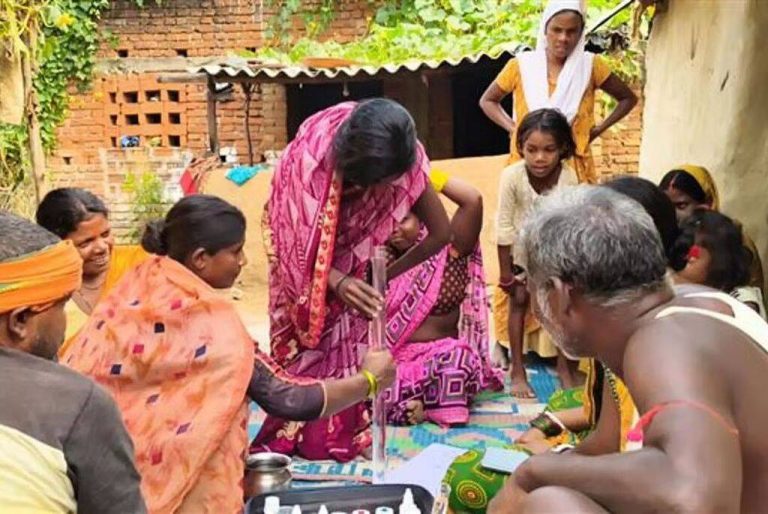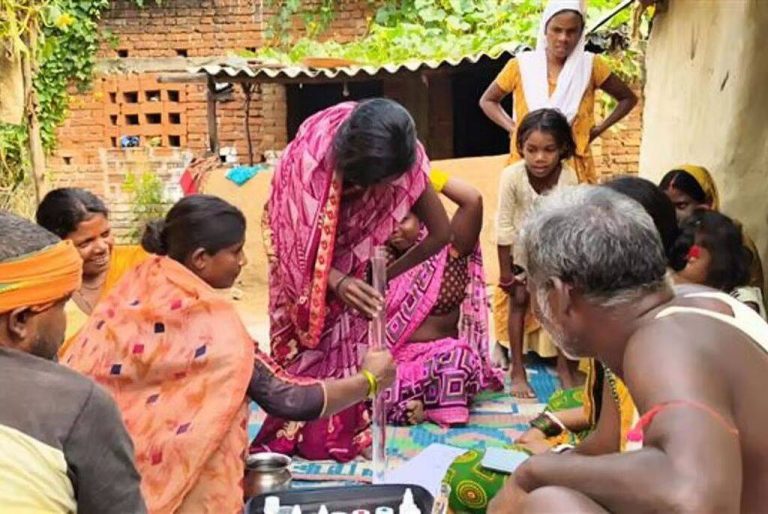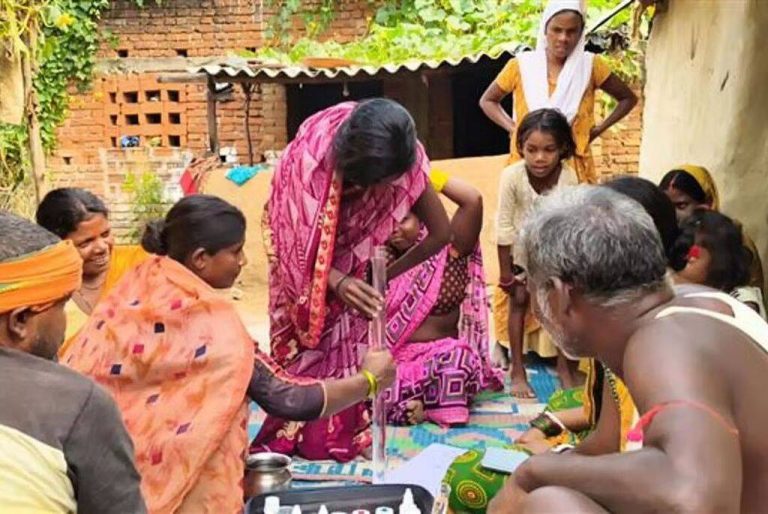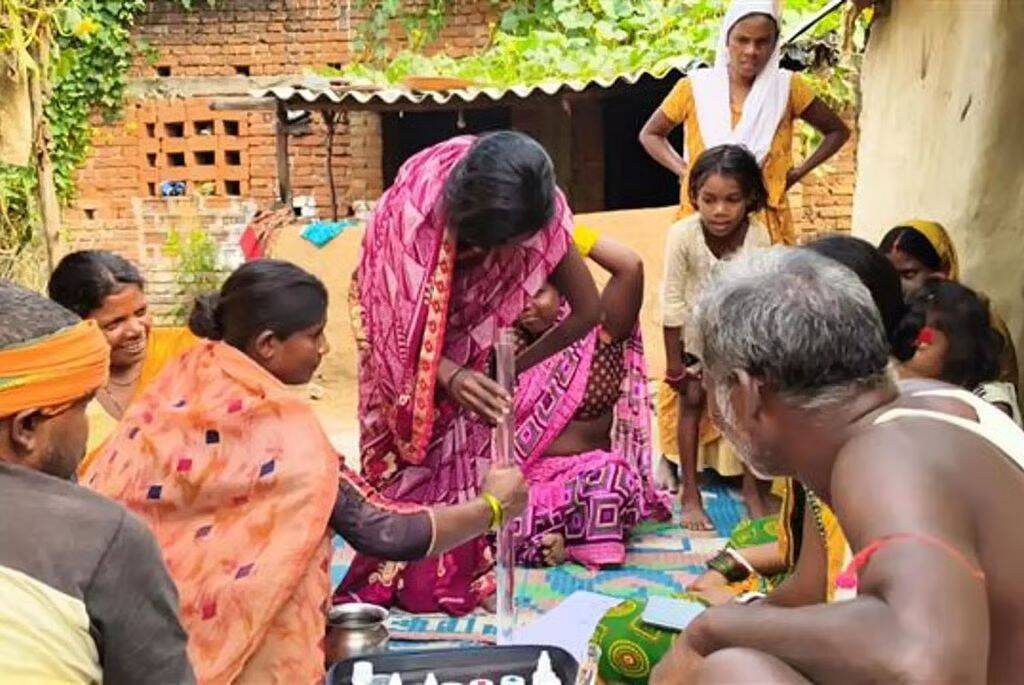
Social beliefs drive rural water adoption: Study
Access to clean drinking water is a fundamental human right, yet millions of people in rural India still struggle to get safe and reliable water supplies. While efforts to improve water infrastructure have been ongoing, a new study reveals that the adoption of household water purification systems in rural India is more influenced by social trust and collective norms than by access to infrastructure. The research highlights the crucial role that social beliefs and peer influence play in shaping the uptake of low-cost water purification methods in rural communities.
The study, which focused on rural areas in India, found that communities with stronger social bonds and shared beliefs reported higher rates of adoption of household water purification systems. This suggests that water programs and initiatives must take into account the local social dynamics and cultural context in order to be effective. By understanding the social factors that drive water adoption, policymakers and practitioners can design more targeted and successful interventions to improve access to clean drinking water in rural India.
One of the key findings of the study was that social trust and collective norms play a significant role in shaping water adoption behaviors. In communities where there is a strong sense of trust and cooperation among neighbors, individuals are more likely to adopt water purification systems. This is because social trust facilitates the sharing of information and resources, making it easier for people to learn about and access new technologies. Additionally, when a community has a strong collective norm around water purification, individuals are more likely to conform to this norm and adopt the behavior themselves.
The study also found that peer influence is a powerful driver of water adoption. When individuals see their neighbors and peers using water purification systems, they are more likely to adopt the technology themselves. This is because peer influence provides social proof and reinforces the idea that the technology is effective and worthwhile. Furthermore, when community leaders and influential individuals promote water purification systems, it can help to build trust and credibility among community members.
Another important factor that influences water adoption is the cultural and social context of the community. In some communities, water purification may be seen as a luxury or a Western concept, and therefore may not be widely adopted. In other communities, water purification may be seen as a necessary step to protect public health, and therefore may be more widely accepted. Understanding these cultural and social factors is crucial for designing effective water programs that resonate with local communities.
The findings of this study have significant implications for water policymakers and practitioners. Firstly, they highlight the need to move beyond a sole focus on infrastructure development and to consider the social and cultural context of water adoption. This means engaging with local communities and understanding their values, beliefs, and social norms. Secondly, they suggest that water programs should be designed to leverage social trust and peer influence, for example by using community-based approaches and promoting social norms around water purification.
In addition, the study highlights the importance of involving local leaders and influencers in water programs. By partnering with community leaders and influential individuals, water programs can build trust and credibility among community members and promote the adoption of water purification systems. Finally, the study suggests that water programs should be tailored to the specific cultural and social context of each community. This means taking into account local values, beliefs, and practices, and designing programs that are responsive to these factors.
In conclusion, the adoption of household water purification systems in rural India is driven more by social trust and collective norms than by access to infrastructure. Communities with stronger peer influence and shared beliefs reported higher uptake of low-cost purification methods. The findings of this study suggest that water programs must align with local social dynamics and cultural context in order to be effective. By understanding the social factors that drive water adoption, policymakers and practitioners can design more targeted and successful interventions to improve access to clean drinking water in rural India.
About the Author