Social beliefs drive rural water adoption: Study
Access to clean drinking water is a fundamental human right, yet millions of people in rural India struggle to get access to safe and reliable drinking water. To address this issue, various organizations and governments have implemented household water purification systems in rural areas. However, the adoption of these systems has been inconsistent, with some communities embracing them wholeheartedly while others have been slow to take them up.
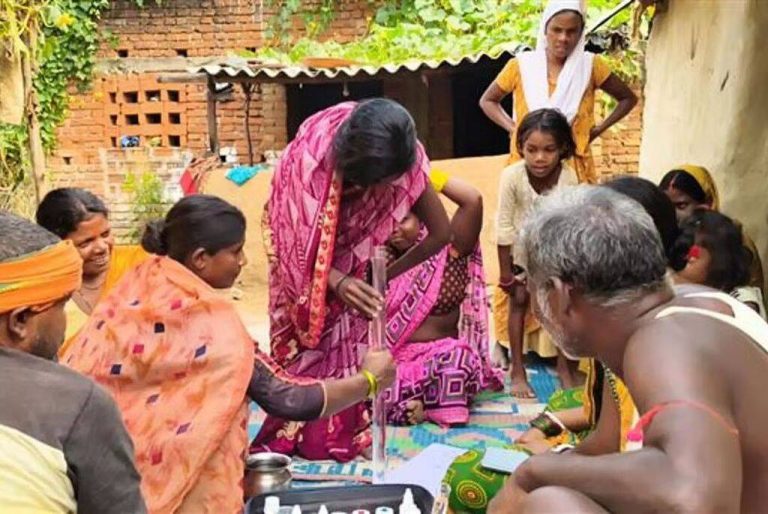
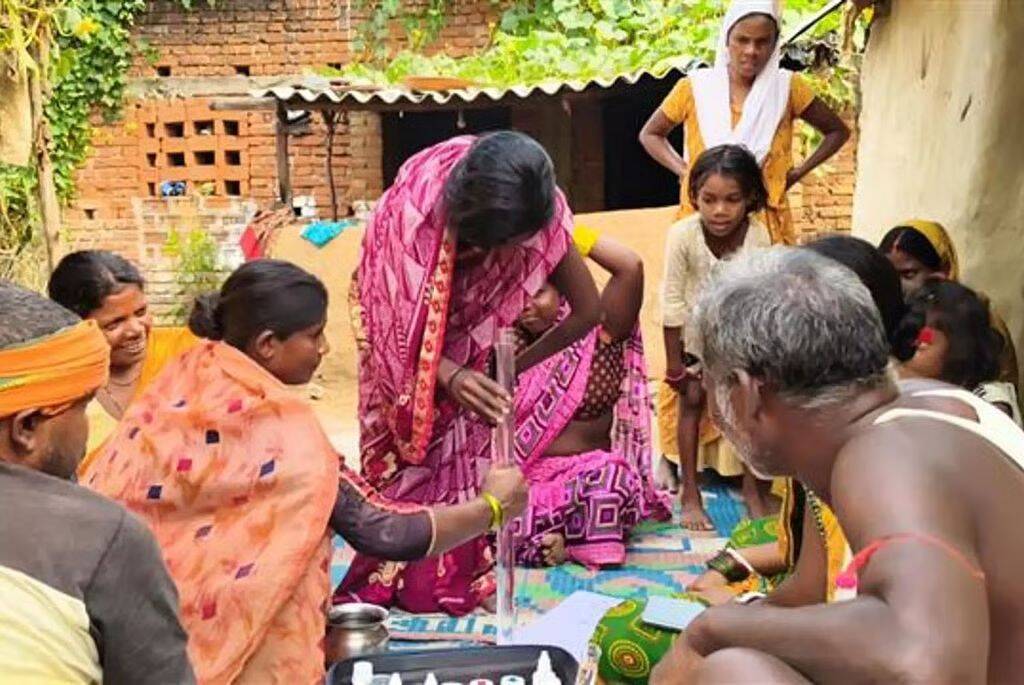
New research has shed light on the factors that influence the adoption of household water purification systems in rural India. The study, which was conducted in several rural villages, found that social trust and collective norms play a much more significant role in determining the adoption of these systems than access to infrastructure. In other words, communities with stronger social bonds and shared beliefs are more likely to adopt low-cost water purification methods.
The study found that communities with high levels of social trust and cooperation were more likely to adopt household water purification systems. This is because social trust and cooperation create an environment where individuals feel comfortable sharing information and resources, including knowledge about water purification systems. When community members trust each other, they are more likely to share their experiences and recommendations about different water purification methods, which can encourage others to adopt them.
Collective norms also play a significant role in determining the adoption of household water purification systems. Collective norms refer to the shared values and beliefs that are common to a particular community or group. In the context of water purification, collective norms might include beliefs about the importance of clean drinking water, the effectiveness of different purification methods, and the role of individual and community responsibility in maintaining water quality.
The study found that communities with strong collective norms around water purification were more likely to adopt low-cost purification methods. For example, communities that placed a high value on the importance of clean drinking water were more likely to invest in household water purification systems. Similarly, communities that believed in the effectiveness of certain purification methods, such as boiling or filtering, were more likely to adopt those methods.
The findings of this study have significant implications for water programs and policies in rural India. First and foremost, they suggest that water programs must align with local social dynamics. This means that programs must take into account the social trust, collective norms, and cultural values of the communities they are serving. By doing so, programs can build on existing social bonds and norms to promote the adoption of household water purification systems.
One way to do this is to involve community members in the design and implementation of water programs. This can help to build trust and ensure that programs are tailored to the specific needs and values of the community. Additionally, programs can use social influence and peer-to-peer networks to promote the adoption of water purification systems. For example, programs can train community leaders or influential individuals to promote the benefits of clean drinking water and the effectiveness of different purification methods.
The study also highlights the importance of addressing the social and cultural barriers to water adoption. In some communities, there may be cultural or social norms that discourage the adoption of household water purification systems. For example, some communities may believe that water purification is a luxury item or that it is not necessary to purify water. By addressing these barriers and promoting a culture of clean drinking water, programs can increase the adoption of household water purification systems.
In conclusion, the adoption of household water purification systems in rural India is a complex issue that is influenced by a variety of social, cultural, and economic factors. While access to infrastructure is certainly important, social trust and collective norms play a much more significant role in determining the adoption of these systems. By aligning water programs with local social dynamics and addressing the social and cultural barriers to water adoption, we can increase the adoption of household water purification systems and improve access to clean drinking water for millions of people in rural India.
About the Author