Scientists discover fossils of ancient sea cow species near Qatar
In a groundbreaking discovery, scientists have unearthed fossils of an unknown sea cow species near Qatar’s coastal waters. According to a report by Moneycontrol, the ancient animal lived millions of years ago in warm seas, and its body structure bears a striking resemblance to modern sea cows. This remarkable finding not only sheds light on the evolution of sea cows but also provides evidence of the existence of seagrass ecosystems in the Arabian waters for millions of years.
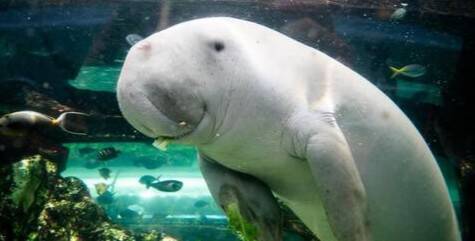
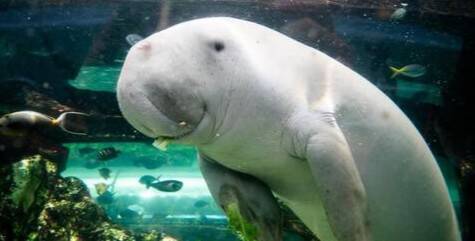
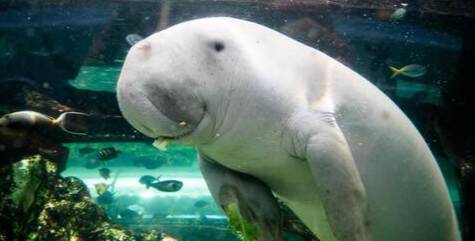
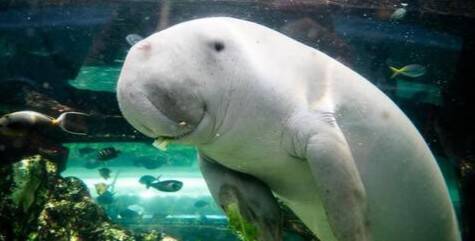
The discovery of the ancient sea cow species is a significant one, as it confirms that these large marine herbivores lived across the Arabian waters. Sea cows, also known as dugongs or Steller’s sea cows, are massive aquatic mammals that feed on seagrass and other marine vegetation. They are found in shallow, tropical waters around the world and play a crucial role in maintaining the health of seagrass ecosystems.
The fossils discovered near Qatar’s coastal waters are believed to be millions of years old, dating back to a time when the Arabian Peninsula was still forming. The region’s unique geology, with its mix of coral reefs, mangroves, and seagrass beds, provided an ideal habitat for the ancient sea cows to thrive. The discovery of these fossils provides valuable insights into the evolution of sea cows and the history of seagrass ecosystems in the region.
The body structure of the ancient sea cow species is remarkably similar to that of modern sea cows. The fossils show a similar skeletal structure, with a large body, flippers, and a tail. This suggests that the basic body plan of sea cows has remained relatively unchanged over millions of years, despite the changing environmental conditions. The discovery of these fossils also highlights the importance of conservation efforts to protect modern sea cow populations and their habitats.
Seagrass ecosystems are vital components of marine ecosystems, providing food, shelter, and breeding grounds for numerous marine species. They also play a crucial role in maintaining water quality, preventing erosion, and supporting commercial fisheries. The discovery of ancient sea cow fossils in Qatar’s coastal waters confirms that seagrass ecosystems have existed in the region for millions of years, supporting large marine herbivores like sea cows.
The discovery of the ancient sea cow species is also significant because it highlights the importance of preserving our natural heritage. The fossils provide a window into the past, allowing us to understand the evolution of marine ecosystems and the impact of human activities on the environment. By studying these fossils, scientists can gain valuable insights into the effects of climate change, pollution, and overfishing on marine ecosystems.
In recent years, there has been a growing concern about the decline of sea cow populations and the degradation of seagrass ecosystems. The main threats to sea cows include habitat loss, entanglement in fishing nets, and hunting. The discovery of the ancient sea cow species serves as a reminder of the importance of protecting these animals and their habitats.
The discovery of the ancient sea cow species near Qatar’s coastal waters is a significant one, and it has far-reaching implications for our understanding of marine ecosystems. The finding confirms that sea cows lived across the Arabian waters and that seagrass ecosystems existed for millions of years, supporting large marine herbivores. As we continue to face the challenges of climate change, pollution, and overfishing, it is essential that we take steps to protect these vital ecosystems and the species that depend on them.
In conclusion, the discovery of the ancient sea cow species near Qatar’s coastal waters is a remarkable finding that sheds light on the evolution of sea cows and the history of seagrass ecosystems in the region. The discovery highlights the importance of preserving our natural heritage and the need to protect modern sea cow populations and their habitats. As we move forward, it is essential that we prioritize conservation efforts to protect these vital ecosystems and the species that depend on them.
News source: https://www.moneycontrol.com/science/lost-sea-cow-species-emerges-from-qatar-s-ancient-seas-article-13735607.html/amp
About the Author