Scientists discover fossils of ancient sea cow species near Qatar
In a groundbreaking discovery, scientists have unearthed fossils of an unknown sea cow species near Qatar’s coastal waters. According to a report by Moneycontrol, the ancient animal lived millions of years ago in warm seas, and its body structure bears a striking resemblance to modern sea cows. This remarkable finding not only sheds light on the evolution of sea cows but also confirms the existence of seagrass ecosystems in the Arabian waters for millions of years, supporting large marine herbivores.
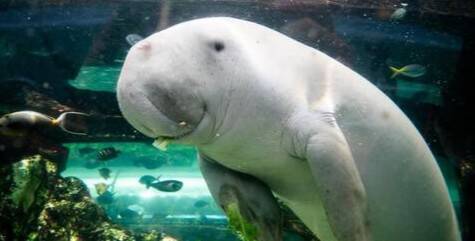
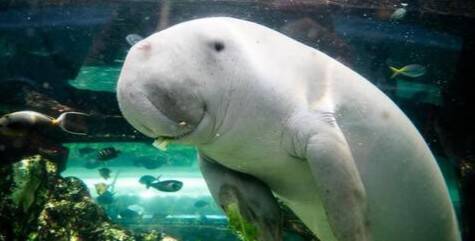
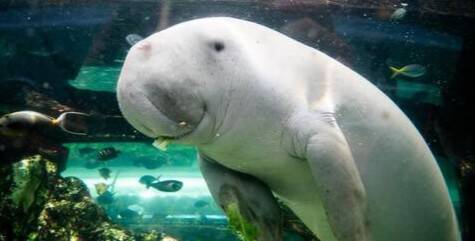
The discovery of the ancient sea cow species is a significant one, as it provides valuable insights into the history of these fascinating creatures. Sea cows, also known as dugongs, are large marine mammals that inhabit warm waters around the world. They are known for their distinctive body shape, with a bulky torso, flippers, and a flat tail. These gentle giants feed on seagrass and other marine vegetation, playing a vital role in maintaining the health of coastal ecosystems.
The fossils discovered near Qatar’s coastal waters are believed to be millions of years old, dating back to a time when the Arabian Peninsula was still forming. The ancient sea cow species is thought to have lived in warm, shallow waters, where seagrass and other marine vegetation were abundant. The discovery of these fossils is a testament to the region’s rich geological history and the importance of preserving our natural heritage.
The discovery of the ancient sea cow species is also significant because it confirms that sea cows lived across Arabian waters. This finding has important implications for our understanding of the evolution of these creatures and their migration patterns. It also highlights the importance of preserving seagrass ecosystems, which provide a habitat for a diverse range of marine life, including sea cows, turtles, and fish.
Seagrass ecosystems are some of the most diverse and productive ecosystems on the planet, providing a range of benefits, including shoreline protection, water filtration, and habitat creation. However, these ecosystems are under threat from human activities, such as coastal development, pollution, and overfishing. The discovery of the ancient sea cow species serves as a reminder of the importance of preserving these ecosystems and the creatures that depend on them.
The discovery of the ancient sea cow species is also a testament to the power of scientific research and discovery. By studying fossils and other geological formations, scientists can gain valuable insights into the history of our planet and the creatures that inhabit it. This knowledge can be used to inform conservation efforts and protect endangered species, such as the modern sea cow.
In recent years, there has been a growing interest in the conservation of sea cows and their habitats. These creatures are listed as vulnerable by the International Union for Conservation of Nature (IUCN), due to habitat loss, entanglement in fishing nets, and hunting. The discovery of the ancient sea cow species serves as a reminder of the importance of protecting these creatures and their habitats, not just for their own sake, but for the health of our planet as a whole.
In conclusion, the discovery of the ancient sea cow species near Qatar’s coastal waters is a significant one, providing valuable insights into the evolution of these creatures and the history of seagrass ecosystems in the Arabian waters. This finding highlights the importance of preserving our natural heritage and protecting endangered species, such as the modern sea cow. As we continue to learn more about these fascinating creatures and their habitats, we are reminded of the importance of conservation and the need to protect our planet’s precious biodiversity.
The discovery of the ancient sea cow species is a reminder that there is still so much to learn about our planet and its history. By continuing to explore and study the natural world, we can gain a deeper understanding of the complex relationships between species and their environments. This knowledge can be used to inform conservation efforts and protect the delicate balance of our ecosystem.
As we look to the future, it is essential that we prioritize the conservation of sea cows and their habitats. This can be achieved through a range of measures, including the protection of seagrass ecosystems, the reduction of pollution, and the implementation of sustainable fishing practices. By working together, we can ensure the long-term survival of these incredible creatures and the ecosystems they inhabit.
For more information on this discovery, please visit: https://www.moneycontrol.com/science/lost-sea-cow-species-emerges-from-qatar-s-ancient-seas-article-13735607.html/amp
News Source: https://www.moneycontrol.com/science/lost-sea-cow-species-emerges-from-qatar-s-ancient-seas-article-13735607.html/amp
About the Author