Scientists discover fossils of ancient sea cow species near Qatar
In a groundbreaking discovery, scientists have unearthed fossils of an unknown sea cow species near Qatar’s coastal waters. According to a recent report, the ancient animal lived millions of years ago in warm seas, and its body structure bears a striking resemblance to modern sea cows. This remarkable find not only sheds new light on the evolution of sea cows but also confirms the existence of seagrass ecosystems in the Arabian waters for millions of years, supporting large marine herbivores.
The discovery of the ancient sea cow species is a significant one, as it provides valuable insights into the history of marine life in the region. The fossils, which were found in the coastal waters of Qatar, are believed to be from a previously unknown species of sea cow that lived during the Miocene epoch, around 20 million years ago. The Miocene epoch was a time of significant geological and climatic change, and the discovery of these fossils provides a unique window into the marine ecosystems of the past.
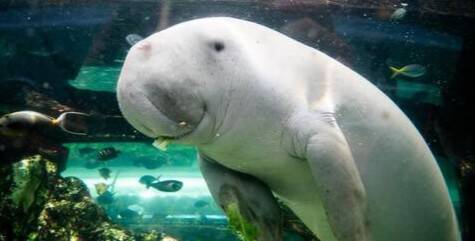
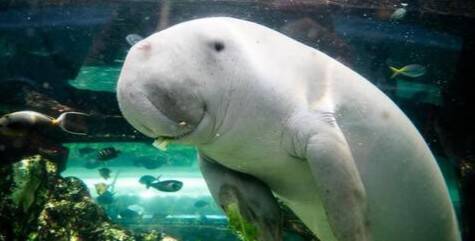
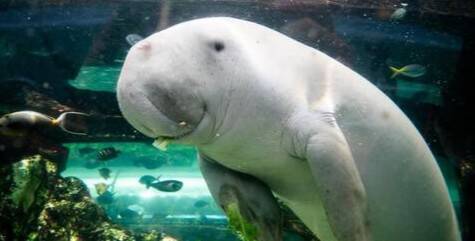
The ancient sea cow species, which has been identified as a relative of the modern dugong, is characterized by its distinctive body shape and skeletal structure. The fossils found in Qatar show a remarkable similarity to those of modern sea cows, with a streamlined body, flippers, and a flat tail. This suggests that the basic body plan of sea cows has remained relatively unchanged over millions of years, despite the many changes that have occurred in the marine environment.
One of the most significant implications of this discovery is the confirmation that sea cows lived across the Arabian waters. This is a region that is often associated with coral reefs and other tropical marine ecosystems, but the presence of sea cows suggests that seagrass ecosystems were also an important feature of the marine landscape. Seagrass ecosystems are known to provide a vital habitat for a wide range of marine species, including sea cows, and their presence in the Arabian waters for millions of years would have supported a diverse array of marine life.
The discovery of the ancient sea cow species also highlights the importance of preserving and protecting marine ecosystems. Sea cows are an important part of marine ecosystems, playing a vital role in maintaining the health of seagrass beds and other coastal habitats. However, they are also vulnerable to a range of threats, including habitat loss, pollution, and hunting. The discovery of this ancient species serves as a reminder of the need to conserve and protect marine ecosystems, not just for the benefit of sea cows, but for the many other species that depend on them.
In addition to its significance for marine conservation, the discovery of the ancient sea cow species also has important implications for our understanding of evolutionary history. The fossils found in Qatar provide a unique insight into the evolution of sea cows, and the changes that have occurred in their body shape and structure over millions of years. By studying these fossils, scientists can gain a better understanding of the processes that have shaped the evolution of marine mammals, and how they have adapted to changing environments.
The discovery of the ancient sea cow species is a testament to the power of scientific inquiry and the importance of continued exploration and research. The finding of these fossils is a significant one, and it highlights the need for further research into the marine ecosystems of the past. By studying the history of marine life, we can gain a better understanding of the complex relationships between species and their environments, and how these relationships have changed over time.
In conclusion, the discovery of fossils of an ancient sea cow species near Qatar’s coastal waters is a significant one, providing valuable insights into the evolution of marine mammals and the history of marine ecosystems in the region. The finding of these fossils confirms that sea cows lived across the Arabian waters, and that seagrass ecosystems existed for millions of years, supporting large marine herbivores. As we continue to explore and research the marine ecosystems of the past, we may uncover even more secrets about the history of life on Earth.
News source: https://www.moneycontrol.com/science/lost-sea-cow-species-emerges-from-qatar-s-ancient-seas-article-13735607.html/amp
About the Author