Scientists discover fossils of ancient sea cow species near Qatar
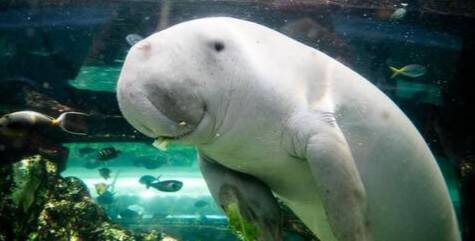
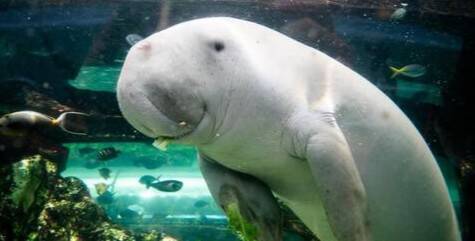
In a groundbreaking discovery, scientists have unearthed fossils of an unknown sea cow species near Qatar’s coastal waters. According to a report by Moneycontrol, the ancient animal lived millions of years ago in warm seas, and its body structure bears a striking resemblance to modern sea cows. This incredible find not only sheds light on the evolutionary history of sea cows but also confirms the existence of seagrass ecosystems in the Arabian waters for millions of years, supporting large marine herbivores.
The discovery of the ancient sea cow species has sent ripples of excitement throughout the scientific community, as it provides a unique window into the past, allowing researchers to study the evolution and diversity of marine life. The fossils, which were found in the coastal waters of Qatar, are believed to be from a previously unknown species of sea cow, a group of large, herbivorous marine mammals that are closely related to manatees and dugongs.
Sea cows, also known as Steller’s sea cows, were first discovered in the 18th century by the German naturalist Georg Steller. However, they were hunted to extinction just 27 years after their discovery, making them one of the most short-lived discoveries in the history of marine biology. The discovery of the fossils near Qatar’s coastal waters has sparked renewed interest in these fascinating creatures, and researchers are eager to learn more about their evolution, behavior, and ecology.
The fossils found near Qatar’s coastal waters are significant not only because they represent a new species of sea cow but also because they provide evidence of the existence of seagrass ecosystems in the Arabian waters for millions of years. Seagrass ecosystems are vital habitats for many marine species, including sea cows, manatees, and dugongs, which rely on these ecosystems for food and shelter. The discovery of the fossils confirms that these ecosystems have been supporting large marine herbivores for millions of years, highlighting the importance of preserving and protecting these habitats for future generations.
The discovery of the ancient sea cow species has also sparked interest in the potential for other unknown species to be discovered in the Arabian waters. The region’s unique geography and geology make it an ideal location for fossil discoveries, and researchers are hopeful that further exploration will uncover more secrets about the evolution and diversity of marine life.
The study of the fossils is ongoing, and researchers are using a range of techniques, including radiocarbon dating and stable isotope analysis, to learn more about the ancient sea cow species. The results of these studies will provide valuable insights into the evolution and ecology of sea cows and will help to shed light on the history of marine life in the Arabian waters.
In conclusion, the discovery of the fossils of an ancient sea cow species near Qatar’s coastal waters is a significant find that has sparked excitement and interest throughout the scientific community. The discovery not only provides a unique window into the past but also highlights the importance of preserving and protecting seagrass ecosystems, which have been supporting large marine herbivores for millions of years. As researchers continue to study the fossils and learn more about the ancient sea cow species, we can expect to gain a deeper understanding of the evolution and diversity of marine life, and the importance of preserving our planet’s precious natural resources.
News source: https://www.moneycontrol.com/science/lost-sea-cow-species-emerges-from-qatar-s-ancient-seas-article-13735607.html/amp
About the Author