Scientists discover fossils of ancient sea cow species near Qatar
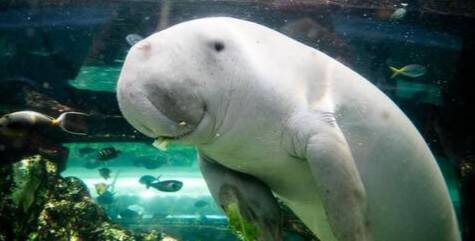
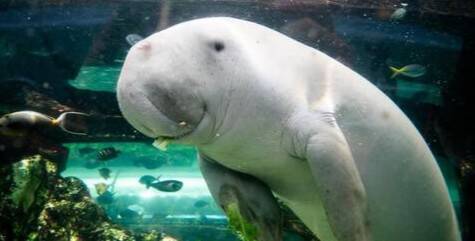
In a groundbreaking discovery, scientists have unearthed fossils of an unknown sea cow species near Qatar’s coastal waters. According to a report by Moneycontrol, the ancient animal lived millions of years ago in warm seas, and its body structure bears a striking resemblance to modern sea cows. This remarkable find not only sheds light on the evolutionary history of sea cows but also provides evidence of the existence of seagrass ecosystems in the Arabian waters for millions of years.
The discovery of the ancient sea cow species is a significant one, as it confirms that these marine mammals were once widespread across the Arabian waters. Sea cows, also known as dugongs or Steller’s sea cows, are large marine herbivores that feed on seagrass and other aquatic plants. They are an important part of the marine ecosystem, playing a vital role in maintaining the health of seagrass beds and the overall biodiversity of coastal waters.
The fossils discovered near Qatar’s coastal waters are believed to be millions of years old, dating back to a time when the Arabian Peninsula was still forming. The body structure of the ancient sea cow species is remarkably similar to that of modern sea cows, with a few distinct differences. The fossils suggest that the ancient sea cow was slightly smaller than its modern counterparts, but had a similar body shape and skeletal structure.
The discovery of the ancient sea cow species is also significant because it provides evidence of the existence of seagrass ecosystems in the Arabian waters for millions of years. Seagrass beds are crucial habitats for many marine species, providing food, shelter, and breeding grounds for countless animals. The fact that seagrass ecosystems have been present in the Arabian waters for so long suggests that the region has a rich and diverse marine history.
The scientists who made the discovery used advanced techniques to analyze the fossils and determine the age and origin of the ancient sea cow species. The fossils were found in a layer of rock that is known to be millions of years old, and the scientists were able to confirm the age of the fossils using radiometric dating methods. The results of the analysis were then compared to the body structure of modern sea cows, revealing a remarkable similarity between the two.
The discovery of the ancient sea cow species near Qatar’s coastal waters is a significant one, not just for the scientific community but also for the conservation of marine ecosystems. The fact that sea cows once thrived in the Arabian waters highlights the importance of preserving and protecting these ecosystems for future generations. The discovery also underscores the need for further research into the evolutionary history of sea cows and the role they play in maintaining the health of seagrass ecosystems.
In addition to the scientific significance of the discovery, the finding of the ancient sea cow species also has important implications for the conservation of marine biodiversity in the Arabian waters. The Arabian Gulf is home to a rich and diverse array of marine life, including coral reefs, sea turtles, and countless species of fish. However, the region is also facing numerous threats, including pollution, overfishing, and climate change.
The discovery of the ancient sea cow species serves as a reminder of the importance of preserving and protecting marine ecosystems, not just for the sake of the animals that live there but also for the health of the planet as a whole. Marine ecosystems provide numerous benefits, including shoreline protection, water filtration, and nutrient cycling. They also support commercial fisheries and provide opportunities for tourism and recreation.
In conclusion, the discovery of fossils of an ancient sea cow species near Qatar’s coastal waters is a significant one, providing insights into the evolutionary history of sea cows and the existence of seagrass ecosystems in the Arabian waters for millions of years. The finding highlights the importance of preserving and protecting marine ecosystems, not just for the sake of the animals that live there but also for the health of the planet as a whole. As we continue to learn more about the ancient sea cow species and its role in the marine ecosystem, we are reminded of the need for further research and conservation efforts to protect these incredible animals and the habitats they inhabit.
News source: https://www.moneycontrol.com/science/lost-sea-cow-species-emerges-from-qatar-s-ancient-seas-article-13735607.html/amp
About the Author