Scientists discover fossils of ancient sea cow species near Qatar
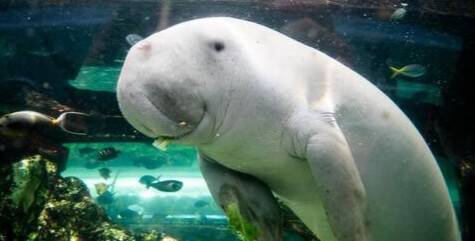
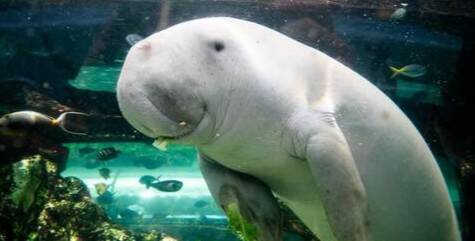
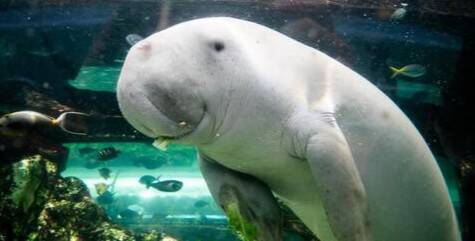
In a groundbreaking discovery, scientists have unearthed fossils of an unknown sea cow species near Qatar’s coastal waters. According to a report by Moneycontrol, the ancient animal lived millions of years ago in warm seas, and its body structure bears a striking resemblance to modern sea cows. This remarkable find not only sheds light on the evolution of sea cows but also confirms that these marine mammals inhabited the Arabian waters and thrived in seagrass ecosystems for millions of years.
The discovery of the ancient sea cow species is a significant one, as it provides valuable insights into the history of these large marine herbivores. Sea cows, also known as dugongs or Steller’s sea cows, are known for their distinctive body shape and herbivorous diet. They are found in warm, shallow waters around the world, where they feed on seagrass and other marine vegetation. The fact that an ancient species of sea cow has been discovered near Qatar’s coastal waters suggests that these animals have been an integral part of the region’s marine ecosystem for millions of years.
The fossils of the ancient sea cow species were discovered in the coastal waters of Qatar, which is located on the northeastern coast of the Arabian Peninsula. The region is known for its rich marine biodiversity, with a wide range of species calling the warm, shallow waters home. The discovery of the sea cow fossils is a testament to the importance of preserving and protecting these ecosystems, which support a vast array of marine life.
The body structure of the ancient sea cow species is remarkably similar to that of modern sea cows. The fossils reveal a large, bulky body with a flat tail and flippers, similar to those found in modern dugongs. The animal’s diet likely consisted of seagrass and other marine vegetation, which would have been abundant in the warm, shallow waters of the Arabian Sea. The fact that the ancient sea cow species was able to thrive in these ecosystems suggests that seagrass beds have been a vital component of the region’s marine ecosystem for millions of years.
The discovery of the ancient sea cow species also highlights the importance of seagrass ecosystems in supporting large marine herbivores. Seagrass beds are found in shallow, coastal waters around the world and provide a vital source of food and shelter for a wide range of marine species. They are also important for maintaining water quality and preventing erosion, making them a crucial component of healthy marine ecosystems. The fact that seagrass ecosystems have been able to support large marine herbivores like sea cows for millions of years is a testament to their importance and highlights the need to protect and preserve these ecosystems for future generations.
The discovery of the ancient sea cow species near Qatar’s coastal waters is a significant one, and it has important implications for our understanding of the region’s marine ecosystem. The find confirms that sea cows lived across Arabian waters and that seagrass ecosystems existed for millions of years, supporting large marine herbivores. It also highlights the importance of preserving and protecting these ecosystems, which are vital for maintaining the health and biodiversity of the world’s oceans.
In addition to the discovery of the ancient sea cow species, the study of fossils found near Qatar’s coastal waters has also provided valuable insights into the evolution of sea cows. The fossils reveal a complex and fascinating history, with sea cows evolving over millions of years to become the large, herbivorous mammals we know today. The discovery of the ancient sea cow species is a significant one, and it has important implications for our understanding of the evolution of these animals.
The discovery of the ancient sea cow species is also a reminder of the importance of continued exploration and research into the world’s oceans. The oceans are a vast and largely unexplored frontier, with new species and ecosystems being discovered all the time. The discovery of the ancient sea cow species near Qatar’s coastal waters is a testament to the importance of continued research and exploration, and it highlights the need to protect and preserve the world’s oceans for future generations.
In conclusion, the discovery of fossils of an ancient sea cow species near Qatar’s coastal waters is a significant one, and it has important implications for our understanding of the region’s marine ecosystem. The find confirms that sea cows lived across Arabian waters and that seagrass ecosystems existed for millions of years, supporting large marine herbivores. It also highlights the importance of preserving and protecting these ecosystems, which are vital for maintaining the health and biodiversity of the world’s oceans. As we continue to explore and learn more about the world’s oceans, it is essential that we prioritize the protection and preservation of these ecosystems, ensuring that they continue to thrive for millions of years to come.
News Source: https://www.moneycontrol.com/science/lost-sea-cow-species-emerges-from-qatar-s-ancient-seas-article-13735607.html/amp
About the Author