Scientists discover fossils of ancient sea cow species near Qatar
In a groundbreaking discovery, scientists have unearthed fossils of an unknown sea cow species near Qatar’s coastal waters. According to a recent report by Moneycontrol, the ancient animal lived millions of years ago in warm seas, and its body structure bears a striking resemblance to modern sea cows. This remarkable finding not only sheds light on the evolution of sea cows but also provides evidence of the existence of seagrass ecosystems in the Arabian waters for millions of years, supporting large marine herbivores.
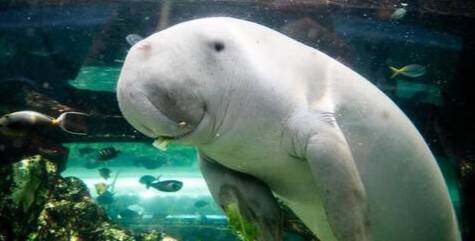
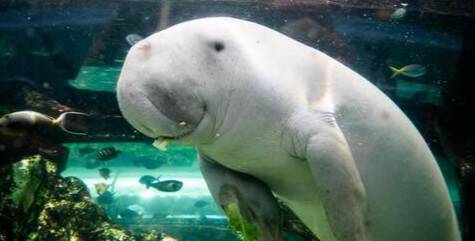
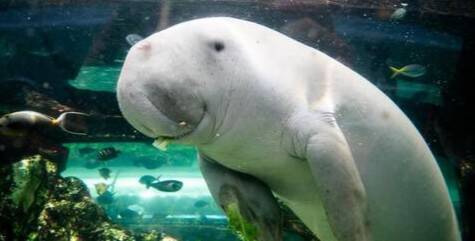
The discovery of the ancient sea cow species is a significant one, as it confirms that these marine mammals were once widespread across the Arabian waters. Sea cows, also known as dugongs or Steller’s sea cows, are large marine herbivores that feed on seagrass and other aquatic plants. They are found in shallow, tropical waters around the world, and are known for their distinctive body shape and gentle nature.
The fossils discovered near Qatar’s coastal waters are believed to be millions of years old, and are thought to have belonged to a previously unknown species of sea cow. The body structure of the ancient sea cow is remarkably similar to that of modern sea cows, with a few key differences. The fossils show that the ancient sea cow had a more robust body and a shorter snout than its modern counterparts, suggesting that it may have been adapted to a different environment or diet.
The discovery of the ancient sea cow species is not only significant for our understanding of the evolution of these marine mammals, but also provides important insights into the history of seagrass ecosystems in the Arabian waters. Seagrass beds are crucial habitats for many marine species, providing food, shelter, and breeding grounds for countless animals. The fact that seagrass ecosystems have existed in the Arabian waters for millions of years, supporting large marine herbivores like sea cows, highlights the importance of preserving these ecosystems for future generations.
The discovery of the ancient sea cow species is also a reminder of the rich biodiversity that once existed in the Arabian waters. The region’s coastal waters are home to a wide range of marine species, from coral reefs to dolphins and whales. However, many of these species are now threatened by human activities such as overfishing, pollution, and coastal development. The discovery of the ancient sea cow species serves as a reminder of the importance of protecting and preserving the region’s marine ecosystems, not just for the benefit of the animals that live there, but also for the health of the planet as a whole.
The scientific team behind the discovery is thrilled with the findings, and is already planning further research to learn more about the ancient sea cow species. The team is using advanced techniques such as radiocarbon dating and genetic analysis to study the fossils and learn more about the evolution and behavior of the ancient sea cow. The discovery is also sparking interest among the general public, with many people fascinated by the idea of a previously unknown species of sea cow living in the Arabian waters millions of years ago.
In conclusion, the discovery of the ancient sea cow species near Qatar’s coastal waters is a significant one, providing important insights into the evolution of these marine mammals and the history of seagrass ecosystems in the Arabian waters. The finding confirms that sea cows lived across the Arabian waters, and that seagrass ecosystems have existed for millions of years, supporting large marine herbivores. As we continue to learn more about the ancient sea cow species, we are reminded of the importance of preserving and protecting the region’s marine ecosystems, not just for the benefit of the animals that live there, but also for the health of the planet as a whole.
For more information on this discovery, you can read the full report on Moneycontrol: https://www.moneycontrol.com/science/lost-sea-cow-species-emerges-from-qatar-s-ancient-seas-article-13735607.html/amp
About the Author