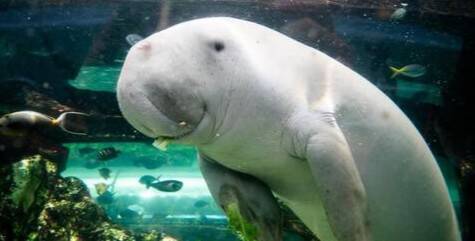
Scientists discover fossils of ancient sea cow species near Qatar
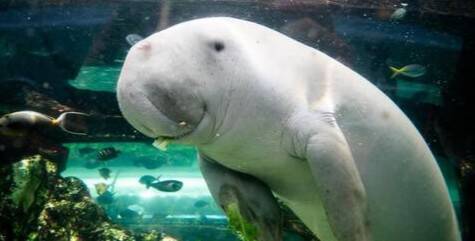
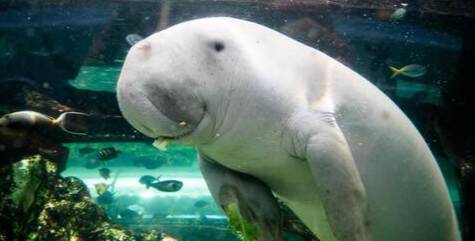
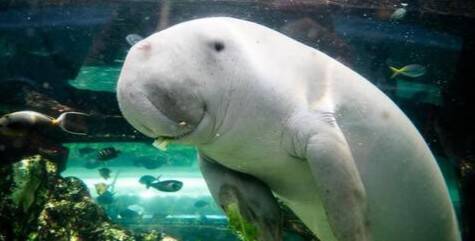
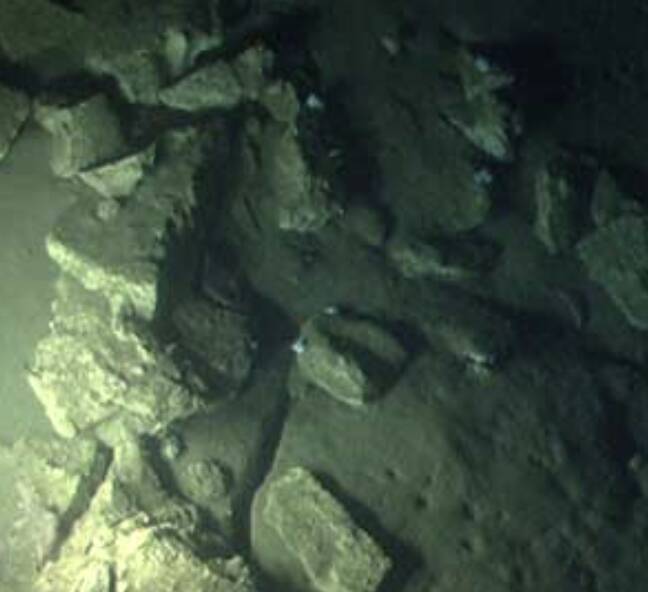
In a groundbreaking discovery, scientists have unearthed fossils of an unknown sea cow species near Qatar’s coastal waters. According to a report by Moneycontrol, the ancient animal lived millions of years ago in warm seas, and its body structure bears a striking resemblance to modern sea cows. This remarkable find not only sheds light on the evolution of sea cows but also provides evidence of the existence of seagrass ecosystems in the Arabian waters for millions of years, supporting large marine herbivores.
The discovery of the ancient sea cow species has sent ripples of excitement through the scientific community, as it provides a unique glimpse into the history of marine life in the region. Sea cows, also known as dugongs or Steller’s sea cows, are large marine mammals that inhabit warm waters around the world. They are known for their distinctive body shape, with a bulky torso, flippers, and a flat tail. The newly discovered species, however, is believed to have lived during a time when the Arabian Peninsula was still forming, and the seas were much warmer than they are today.
The fossilized remains of the ancient sea cow were found in the coastal waters of Qatar, which is located on the northeastern coast of the Arabian Peninsula. The discovery was made by a team of scientists who were conducting a survey of the area’s marine ecosystem. The fossils were identified as belonging to a previously unknown species of sea cow, which has been named as such due to its close resemblance to modern sea cows.
The body structure of the ancient sea cow mirrors that of modern sea cows, with a few notable differences. The fossilized remains show that the animal had a similar body shape, with a bulky torso and flippers. However, the ancient sea cow was slightly smaller than its modern counterparts, and its snout was more pointed. The discovery of the fossils has provided scientists with a unique opportunity to study the evolution of sea cows and how they adapted to their environment over time.
One of the most significant implications of the discovery is the evidence it provides for the existence of seagrass ecosystems in the Arabian waters for millions of years. Seagrass beds are underwater meadows that are home to a diverse array of marine life, including sea cows, turtles, and fish. They are an essential component of the marine ecosystem, providing food and shelter for many species. The discovery of the ancient sea cow fossils confirms that seagrass ecosystems have been present in the Arabian waters for millions of years, supporting large marine herbivores like sea cows.
The discovery of the ancient sea cow species has also sparked interest in the conservation of modern sea cow populations. Sea cows are listed as vulnerable to extinction by the International Union for Conservation of Nature (IUCN), due to habitat loss, entanglement in fishing nets, and hunting. The discovery of the ancient sea cow fossils highlights the importance of preserving seagrass ecosystems and protecting sea cow habitats to ensure the long-term survival of these incredible creatures.
In conclusion, the discovery of the ancient sea cow species near Qatar’s coastal waters is a significant find that has shed new light on the evolution of sea cows and the history of marine life in the region. The discovery confirms that sea cows lived across Arabian waters and that seagrass ecosystems existed for millions of years, supporting large marine herbivores. As we continue to learn more about the ancient sea cow species, we are reminded of the importance of preserving our planet’s natural wonders and protecting the incredible creatures that call our oceans home.
The discovery of the ancient sea cow species is a testament to the power of scientific inquiry and the importance of continued exploration and research into the natural world. As we move forward, it is essential that we prioritize the conservation of our planet’s marine ecosystems and the incredible creatures that inhabit them. By working together to protect our oceans and the creatures that call them home, we can ensure a healthy and thriving planet for generations to come.
News source: https://www.moneycontrol.com/science/lost-sea-cow-species-emerges-from-qatar-s-ancient-seas-article-13735607.html/amp
About the Author