Scientists discover fossils of ancient sea cow species near Qatar
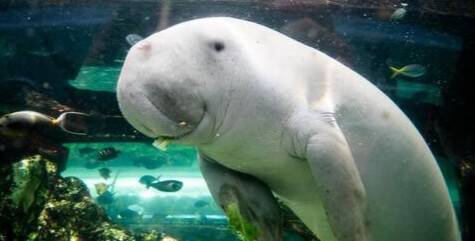
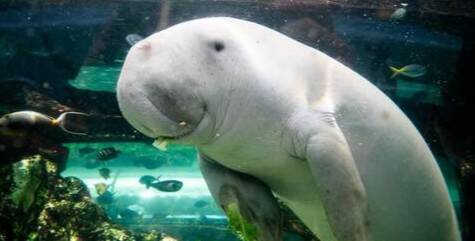
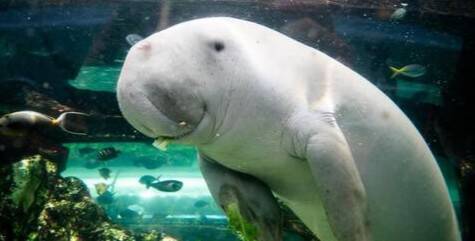
In a groundbreaking discovery, scientists have unearthed fossils of an unknown sea cow species near Qatar’s coastal waters. According to a report by Moneycontrol, the ancient animal lived millions of years ago in warm seas, and its body structure bears a striking resemblance to modern sea cows. This remarkable find has significant implications for our understanding of the region’s marine ecosystem and the evolution of sea cows.
The discovery was made in the coastal waters of Qatar, where a team of scientists stumbled upon fossils of the ancient sea cow species. The fossils date back to a time when the Arabian Peninsula was still forming, and the seas were much warmer than they are today. The animal’s body structure is remarkably similar to that of modern sea cows, also known as dugongs, which are found in shallow, tropical waters around the world.
The sea cow, also known as Hydrodamalis, is a genus of extinct aquatic mammals that were once found in the coastal waters of the Pacific and Indian Oceans. They were large, slow-moving animals that fed on seagrass and other marine vegetation. The discovery of the ancient sea cow species near Qatar confirms that these animals lived across the Arabian waters, and that seagrass ecosystems have existed for millions of years, supporting large marine herbivores like the sea cow.
The discovery of the fossils has shed new light on the evolution of sea cows and the history of the Arabian marine ecosystem. The fossils found in Qatar are believed to be from a previously unknown species of sea cow, which has been named Hydrodamalis qatarica. The species is thought to have lived during the late Miocene epoch, around 10-12 million years ago.
The discovery of Hydrodamalis qatarica has significant implications for our understanding of the region’s marine ecosystem. The presence of sea cows in the Arabian waters during the late Miocene epoch suggests that the region’s coastal waters were once much warmer and more hospitable to marine life. The discovery also highlights the importance of seagrass ecosystems in supporting large marine herbivores like the sea cow.
Seagrass ecosystems are vital components of marine ecosystems, providing habitat and food for a wide range of marine species. They are also important for maintaining water quality and preventing erosion. The discovery of Hydrodamalis qatarica confirms that seagrass ecosystems have existed for millions of years, supporting large marine herbivores like the sea cow.
The discovery of the ancient sea cow species near Qatar is a significant find, not only for the region but also for the scientific community. It highlights the importance of continued exploration and research into the world’s oceans and the secrets they hold. The discovery also underscores the need for conservation efforts to protect marine ecosystems and the species that depend on them.
In conclusion, the discovery of fossils of an unknown sea cow species near Qatar’s coastal waters is a significant find that sheds new light on the evolution of sea cows and the history of the Arabian marine ecosystem. The discovery confirms that sea cows lived across the Arabian waters and that seagrass ecosystems have existed for millions of years, supporting large marine herbivores like the sea cow. The find highlights the importance of continued exploration and research into the world’s oceans and the need for conservation efforts to protect marine ecosystems and the species that depend on them.
About the Author