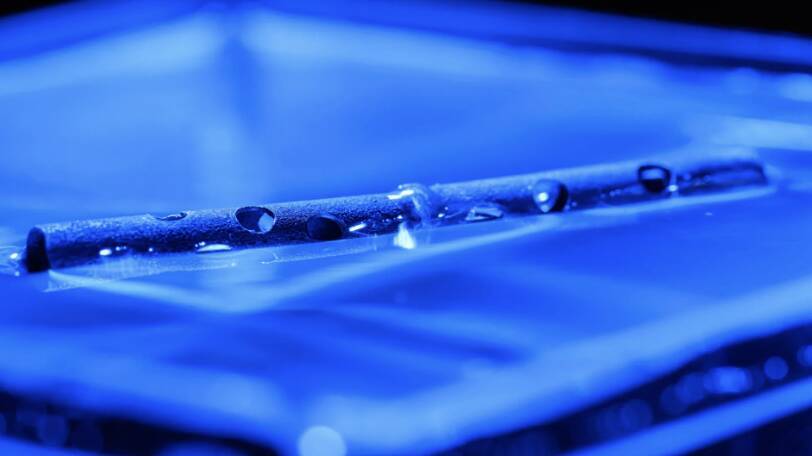
Scientists develop metal tubes that could enable unsinkable ships
The concept of an “unsinkable ship” has long been a topic of fascination and debate among naval architects, engineers, and scientists. While the idea of a ship that can withstand any amount of damage or flooding may seem like the stuff of science fiction, a team of researchers has made a groundbreaking discovery that could potentially make this concept a reality. By developing a highly buoyant metal tube structure, scientists have created a material that can float even when submerged for long periods or damaged with holes. This innovative technology has the potential to revolutionize the shipping industry and could pave the way for the creation of unsinkable ships.
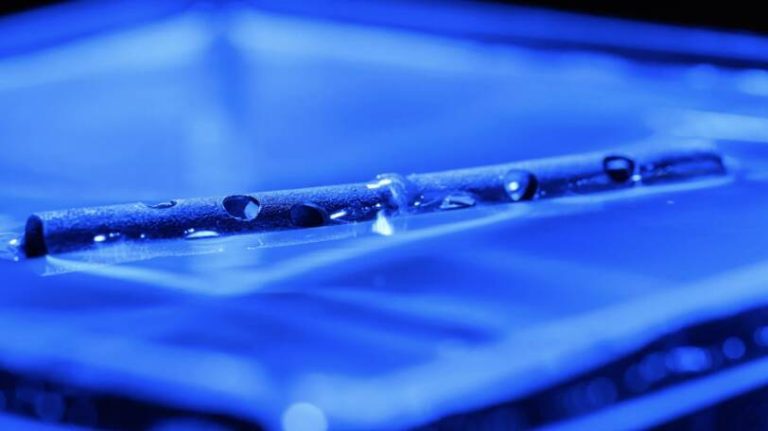
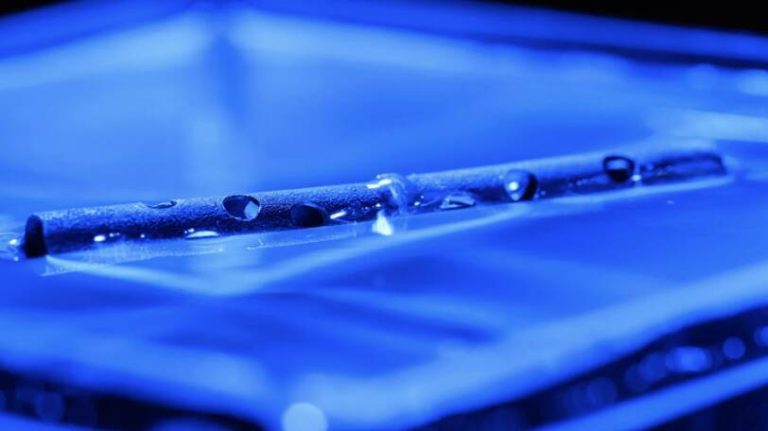
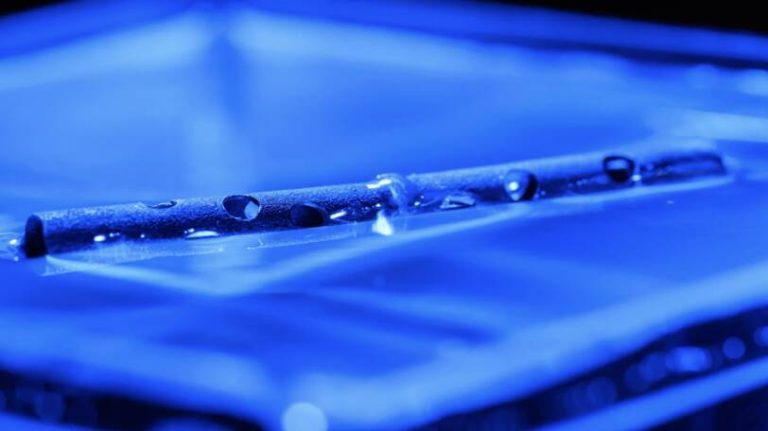
The key to this breakthrough lies in the processing of aluminium, a metal that is commonly used in shipbuilding due to its high strength-to-weight ratio, corrosion resistance, and relatively low cost. However, aluminium is not typically known for its buoyancy, which is a critical factor in the development of unsinkable ships. To overcome this limitation, the research team added nanometer-scale grooves to aluminium tubes, making them superhydrophobic and able to stably maintain air bubbles on the inner surface. This unique property allows the metal tubes to remain afloat even when damaged or submerged for extended periods.
The process of creating these superhydrophobic aluminium tubes involves a series of complex steps. First, the researchers use a technique called anodization to create a layer of tiny grooves on the surface of the aluminium tubes. These grooves are then treated with a special coating that makes them highly water-repellent. The resulting material is not only highly buoyant but also incredibly durable, able to withstand significant damage without losing its ability to float.
The potential applications of this technology are vast and far-reaching. One of the most significant benefits of using these superhydrophobic aluminium tubes is the ability to create ships that can withstand extreme weather conditions, such as hurricanes or tsunamis. By incorporating these tubes into the hull of a ship, naval architects could design vessels that are virtually unsinkable, even in the most adverse conditions. This could have a major impact on the safety of passengers and crew, as well as the protection of cargo and the environment.
Another potential application of this technology is in the development of offshore platforms and oil rigs. These structures are often located in harsh marine environments and are vulnerable to damage from storms, corrosion, and other factors. By using superhydrophobic aluminium tubes in the construction of these platforms, engineers could create structures that are more resilient and better able to withstand the rigors of the marine environment.
In addition to its potential applications in the shipping and offshore industries, this technology could also have a significant impact on the development of new materials and technologies. The creation of superhydrophobic surfaces has a wide range of potential applications, from self-cleaning materials to advanced biomedical devices. By pushing the boundaries of what is possible with materials science, researchers can unlock new and innovative solutions to some of the world’s most pressing challenges.
While the development of unsinkable ships is still in its infancy, the potential benefits of this technology are undeniable. By creating materials that can withstand extreme conditions and remain afloat even when damaged, scientists have taken a major step forward in the pursuit of safer, more resilient, and more efficient ships. As researchers continue to explore and develop this technology, we can expect to see significant advancements in the coming years, from the creation of prototype vessels to the widespread adoption of superhydrophobic materials in the shipping industry.
In conclusion, the development of metal tubes that can enable unsinkable ships is a groundbreaking discovery that has the potential to revolutionize the shipping industry. By creating superhydrophobic aluminium tubes that can float even when submerged or damaged, scientists have opened up new possibilities for the design and construction of ships. As this technology continues to evolve and mature, we can expect to see significant improvements in safety, efficiency, and sustainability, and the creation of unsinkable ships may become a reality sooner rather than later.
News source: https://www.sciencedaily.com/releases/2026/01/260130041105.htm
About the Author