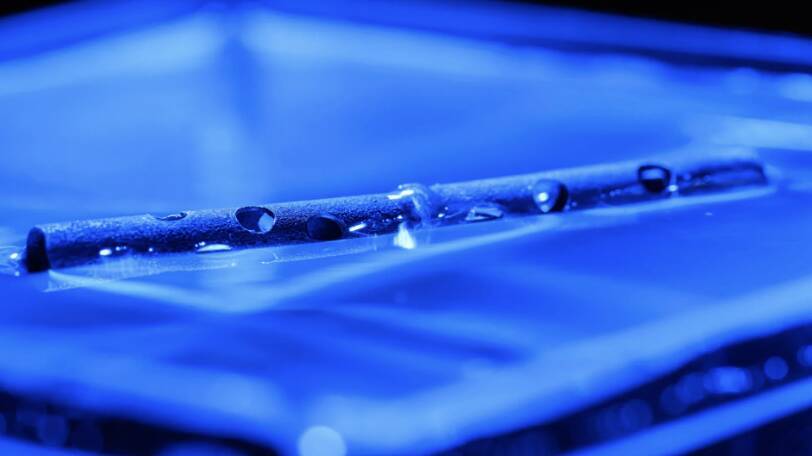
Scientists develop metal tubes that could enable unsinkable ships
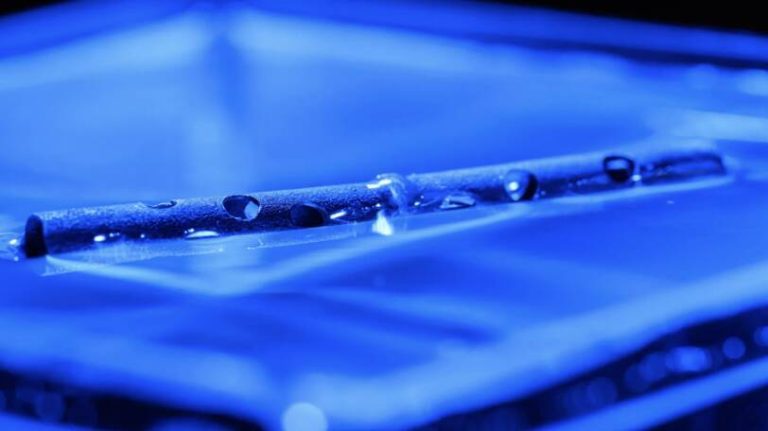
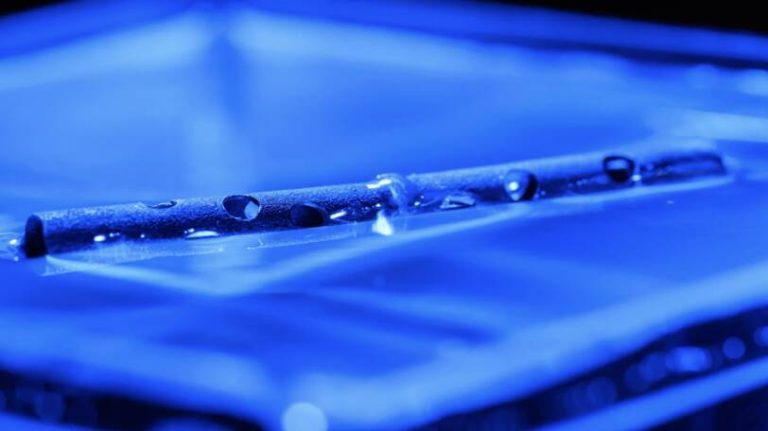
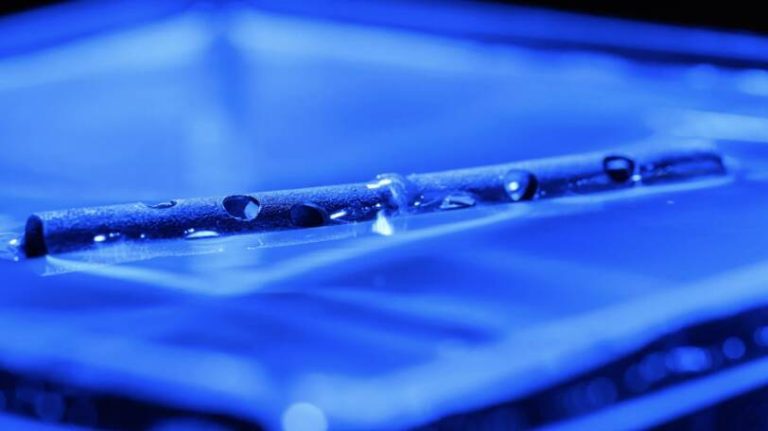
In a groundbreaking development, scientists have created a revolutionary metal tube structure that could potentially make ships unsinkable. By processing aluminium to create a highly buoyant material, researchers have successfully designed a tube that can float even when submerged for extended periods or damaged with holes. This innovative technology has the potential to transform the maritime industry, making ships safer and more resilient to damage.
The key to this breakthrough lies in the addition of nanometer-scale grooves to the aluminium tubes, which makes them superhydrophobic. This means that the tubes are able to stably maintain air bubbles on their inner surface, even when submerged in water. As a result, the tubes are able to retain their buoyancy, allowing them to float even when damaged or filled with water.
The development of this technology is a significant milestone in the quest to create unsinkable ships. For centuries, shipbuilders have sought to design vessels that can withstand the harsh conditions of the ocean, including rough seas, extreme weather, and damage from collisions or other accidents. While modern ships are designed with safety in mind, they are still vulnerable to sinking in certain circumstances.
The new metal tube structure developed by scientists has the potential to change this. By incorporating the superhydrophobic aluminium tubes into ship design, builders could create vessels that are virtually unsinkable. Even if a ship were to suffer significant damage, the buoyant tubes would help to keep it afloat, giving passengers and crew time to evacuate or make repairs.
The implications of this technology are far-reaching. Unsinkable ships could revolutionize the maritime industry, enabling the construction of vessels that are safer, more efficient, and more environmentally friendly. For example, ships could be designed with larger cargo capacities, as they would no longer need to be built with heavy double hulls to prevent sinking. This could lead to significant cost savings and reduced emissions, as ships would be able to carry more cargo while using less fuel.
Furthermore, the development of unsinkable ships could also have a major impact on search and rescue operations. In the event of an emergency, ships equipped with the new metal tube structure could remain afloat for longer periods, giving rescue teams more time to respond and increasing the chances of survival for those on board.
While the development of unsinkable ships is still in its infancy, the potential benefits are clear. Scientists and engineers will need to work together to refine the technology and incorporate it into ship design, but the possibilities are exciting. As the maritime industry continues to evolve, it is likely that we will see the development of new, innovative materials and technologies that will make ships safer, more efficient, and more environmentally friendly.
In addition to the potential for unsinkable ships, the new metal tube structure developed by scientists could also have applications in other fields. For example, the superhydrophobic properties of the tubes could be used to create more efficient heat exchangers, which are used in a wide range of industries, from power generation to chemical processing.
The development of this technology is a testament to the power of scientific innovation and the potential for breakthroughs to transform industries and improve our lives. As researchers continue to push the boundaries of what is possible, we can expect to see new and exciting developments in the years to come.
In conclusion, the development of metal tubes that could enable unsinkable ships is a significant breakthrough with far-reaching implications for the maritime industry. With its potential to transform ship design and make vessels safer, more efficient, and more environmentally friendly, this technology could have a major impact on the way we build and use ships. As scientists and engineers continue to refine and develop this technology, we can expect to see exciting new innovations in the years to come.
News source: https://www.sciencedaily.com/releases/2026/01/260130041105.htm
About the Author