Scientists develop metal tubes that could enable unsinkable ships
The concept of unsinkable ships has long been a topic of interest in the maritime industry. While there have been numerous attempts to create such vessels, none have been entirely successful. However, a recent breakthrough in materials science may change this narrative. Scientists have developed a highly buoyant metal tube structure by processing aluminium that can float even when submerged for long periods or damaged with holes. This innovative technology has the potential to revolutionize the shipping industry and make unsinkable ships a reality.
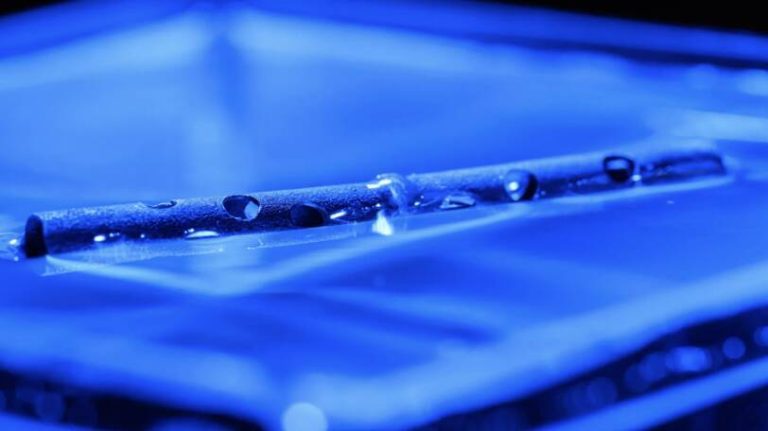
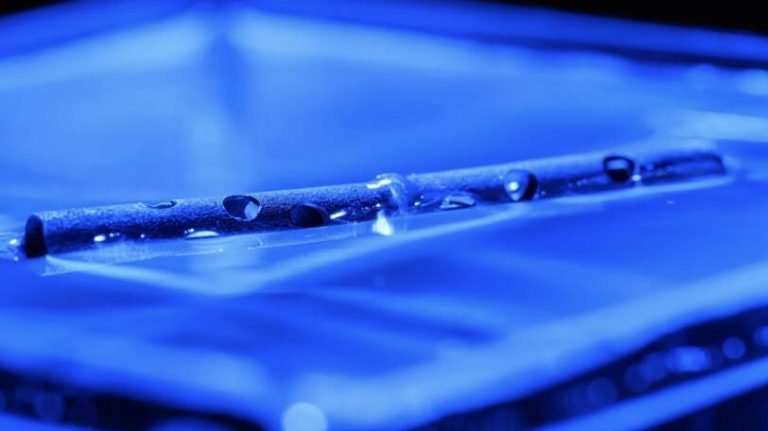
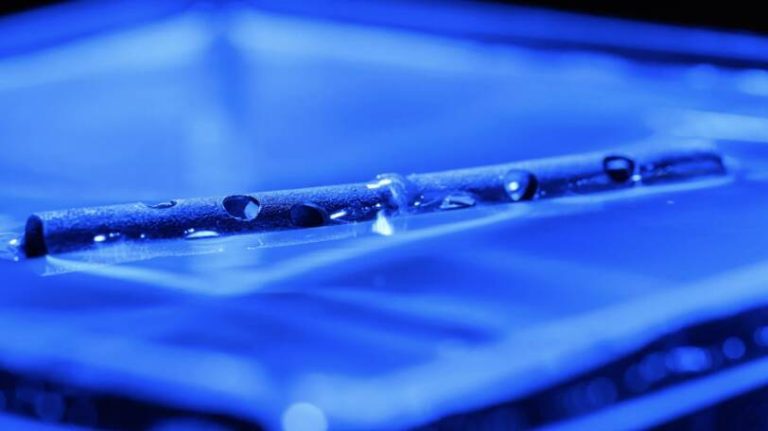
The research team behind this breakthrough achieved this remarkable feat by adding nanometer-scale grooves to aluminium tubes, making them superhydrophobic. This means that the tubes are extremely resistant to water, allowing them to stably maintain air bubbles on the inner surface. As a result, the metal tubes can remain afloat even when fully submerged in water or damaged with holes.
The process of creating these superhydrophobic aluminium tubes involves a complex series of steps. First, the researchers used a technique called anodization to create a layer of tiny, uniform grooves on the surface of the aluminium tubes. This layer is made up of millions of tiny pores, which are then treated with a special coating to make them water-repellent. The result is a surface that is not only extremely hydrophobic but also exceptionally durable.
One of the most significant advantages of this technology is its potential to improve the safety of ships at sea. Currently, ships are designed to withstand a certain amount of damage before sinking, but even the most advanced vessels can be vulnerable to catastrophic damage in extreme weather conditions. With the development of unsinkable ships, this risk could be significantly reduced, saving countless lives and preventing environmental disasters.
The implications of this technology extend far beyond the shipping industry, however. The superhydrophobic properties of these aluminium tubes could also be used in a wide range of other applications, from biomedical devices to consumer electronics. For example, medical implants could be designed to resist water and bacteria, reducing the risk of infection and improving patient outcomes. Similarly, electronic devices could be made more durable and resistant to water damage, reducing the need for costly repairs and replacements.
Another potential application of this technology is in the field of offshore oil and gas production. Currently, oil rigs and platforms are designed to operate in harsh marine environments, where they are exposed to extreme weather conditions and corrosive seawater. The use of superhydrophobic aluminium tubes could help to reduce the risk of damage and improve the overall efficiency of these operations.
In addition to its practical applications, this technology also has significant scientific implications. The development of superhydrophobic materials has been an area of intense research in recent years, with many scientists working to create surfaces that can repel water and other liquids. The success of this research team in creating a superhydrophobic aluminium tube structure is a major breakthrough in this field and could pave the way for further innovations.
The potential economic benefits of this technology are also significant. The shipping industry is a major contributor to global trade, with millions of tons of goods being transported by sea every year. The development of unsinkable ships could help to reduce the risk of accidents and improve the overall efficiency of this process, leading to significant cost savings and increased productivity.
In conclusion, the development of metal tubes that can enable unsinkable ships is a groundbreaking achievement with far-reaching implications for the shipping industry and beyond. The use of superhydrophobic aluminium tubes could revolutionize the way we design and build ships, improving safety, reducing the risk of accidents, and increasing efficiency. As this technology continues to evolve and improve, we can expect to see significant advances in a wide range of fields, from biomedical devices to offshore oil and gas production.
For more information on this breakthrough, please visit: https://www.sciencedaily.com/releases/2026/01/260130041105.htm
About the Author