Sale of Purple Tomatoes Approved in Australia
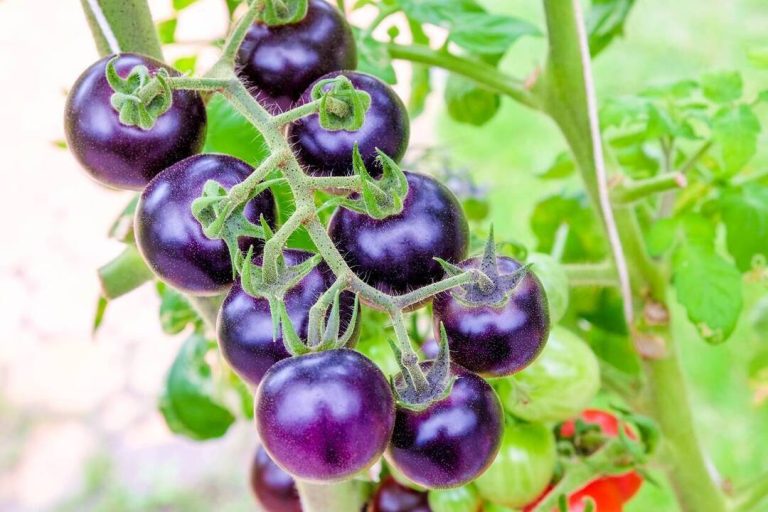
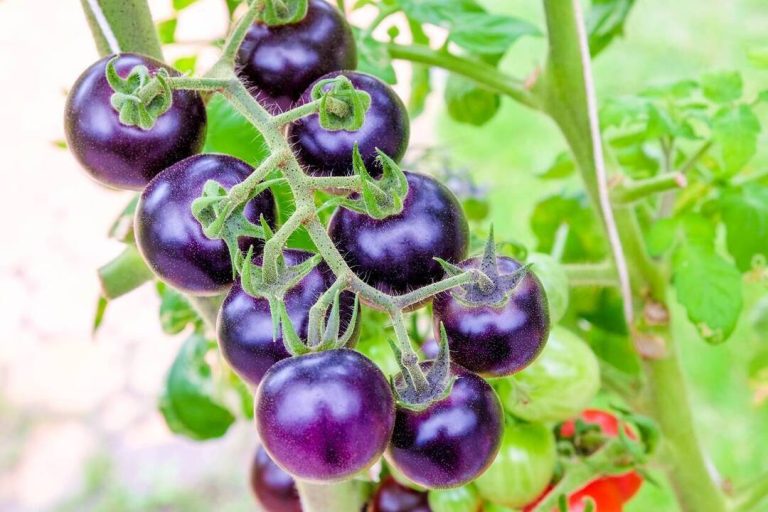
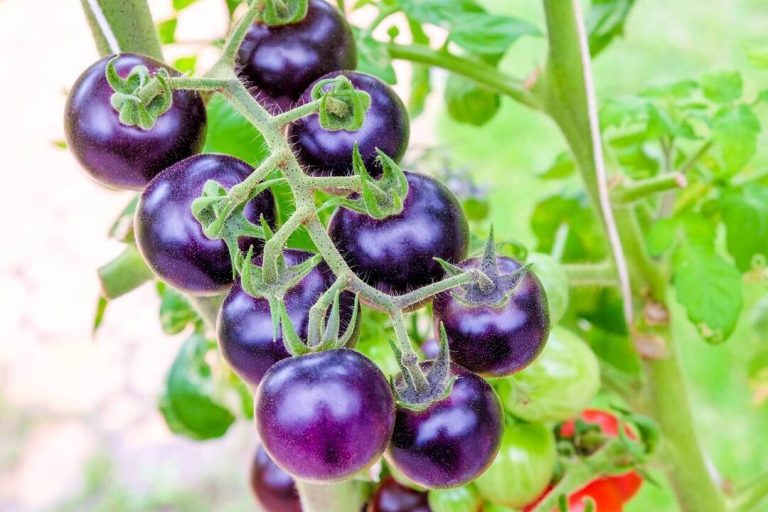
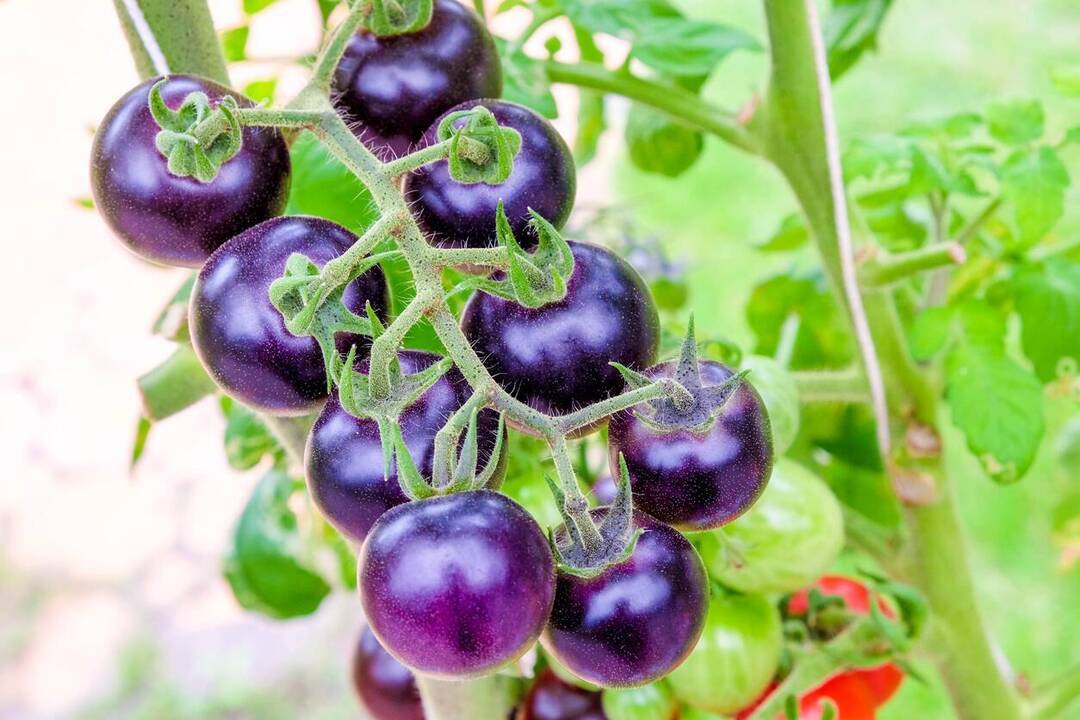
In a groundbreaking move, Australia has given the green light to the commercial sale of genetically modified purple tomatoes. The GM Purple Tomato, which has been modified to produce natural purple/blue pigments called anthocyanins, has been deemed safe for human consumption and poses negligible risk to the health and safety of people or the environment. This approval marks a significant milestone in the development and commercialization of genetically modified crops in Australia.
The GM Purple Tomato has been engineered to produce anthocyanins, which are powerful antioxidants that have been shown to have numerous health benefits. Anthocyanins are responsible for the red, purple, and blue colors of many fruits and vegetables, and have been linked to reduced inflammation, improved heart health, and enhanced cognitive function. By introducing the genes responsible for anthocyanin production into the tomato plant, scientists have created a fruit that not only has a unique and appealing color but also boasts enhanced nutritional value.
The risk assessment conducted by the regulator concluded that the release of the GM Purple Tomato poses negligible risk to the health and safety of people or the environment. The assessment took into account the potential impacts on human health, the environment, and the genetic diversity of the tomato plant. The regulator found that the GM Purple Tomato is substantially equivalent to its non-GM counterpart, with the exception of the introduced anthocyanin-producing genes.
The approval of the GM Purple Tomato is expected to have significant implications for the Australian horticulture industry. Tomatoes are one of the most widely consumed fruits in Australia, and the introduction of a genetically modified variety is likely to generate significant interest among consumers. The GM Purple Tomato is expected to be marketed as a premium product, with a focus on its unique color and enhanced nutritional value.
The development of the GM Purple Tomato is also expected to have implications for the global horticulture industry. Australia is a significant player in the global tomato market, and the approval of the GM Purple Tomato is likely to pave the way for the introduction of similar products in other countries. The use of genetic modification to introduce desirable traits into crops is becoming increasingly common, and the GM Purple Tomato is just one example of the many innovative products that are being developed using this technology.
One of the key benefits of the GM Purple Tomato is its potential to enhance the nutritional value of the fruit. Tomatoes are already a rich source of vitamins and minerals, but the introduction of anthocyanins is expected to significantly enhance their antioxidant properties. This could have significant implications for public health, particularly in countries where access to nutritious food is limited.
The approval of the GM Purple Tomato also highlights the importance of regulatory frameworks in ensuring the safe development and commercialization of genetically modified crops. The risk assessment conducted by the regulator was rigorous and comprehensive, and provides a high level of confidence that the GM Purple Tomato is safe for human consumption and poses negligible risk to the environment.
In conclusion, the approval of the GM Purple Tomato in Australia is a significant milestone in the development and commercialization of genetically modified crops. The GM Purple Tomato has been engineered to produce natural purple/blue pigments called anthocyanins, which have numerous health benefits and enhance the nutritional value of the fruit. The risk assessment conducted by the regulator concluded that the release of the GM Purple Tomato poses negligible risk to the health and safety of people or the environment, and the product is expected to generate significant interest among consumers. As the global horticulture industry continues to evolve, it is likely that we will see the introduction of many more innovative products like the GM Purple Tomato.
News Source: https://www.isaaa.org/kc/cropbiotechupdate/article/default.asp
About the Author