Sale of Purple Tomatoes Approved in Australia
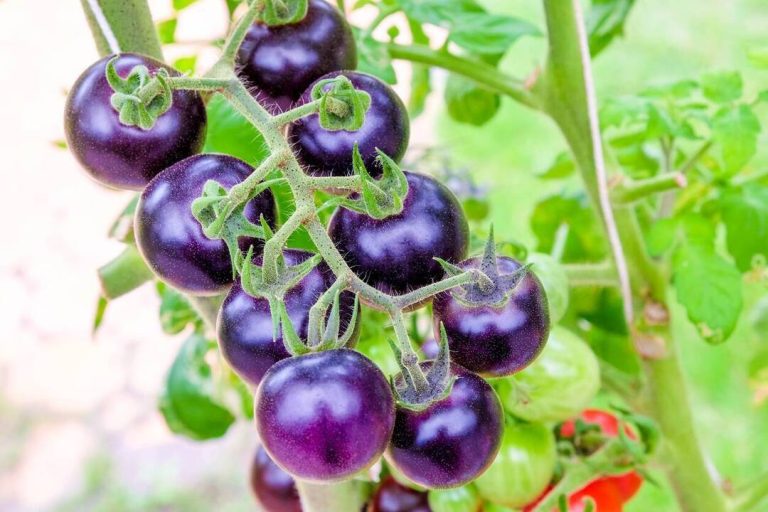
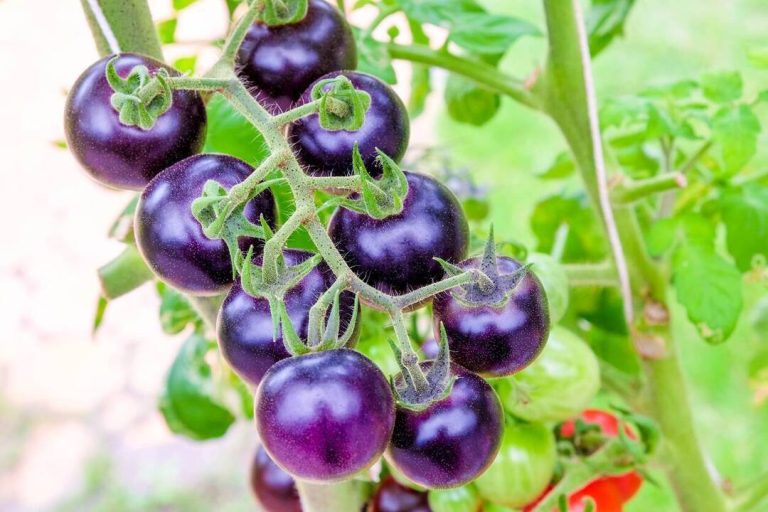
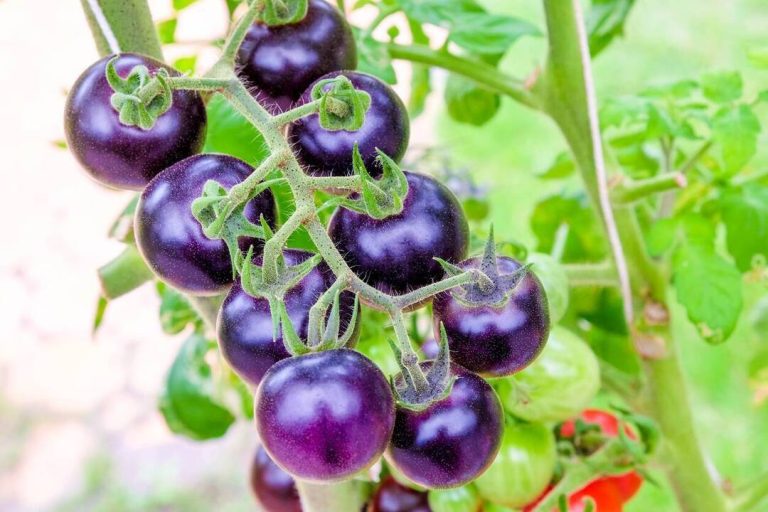
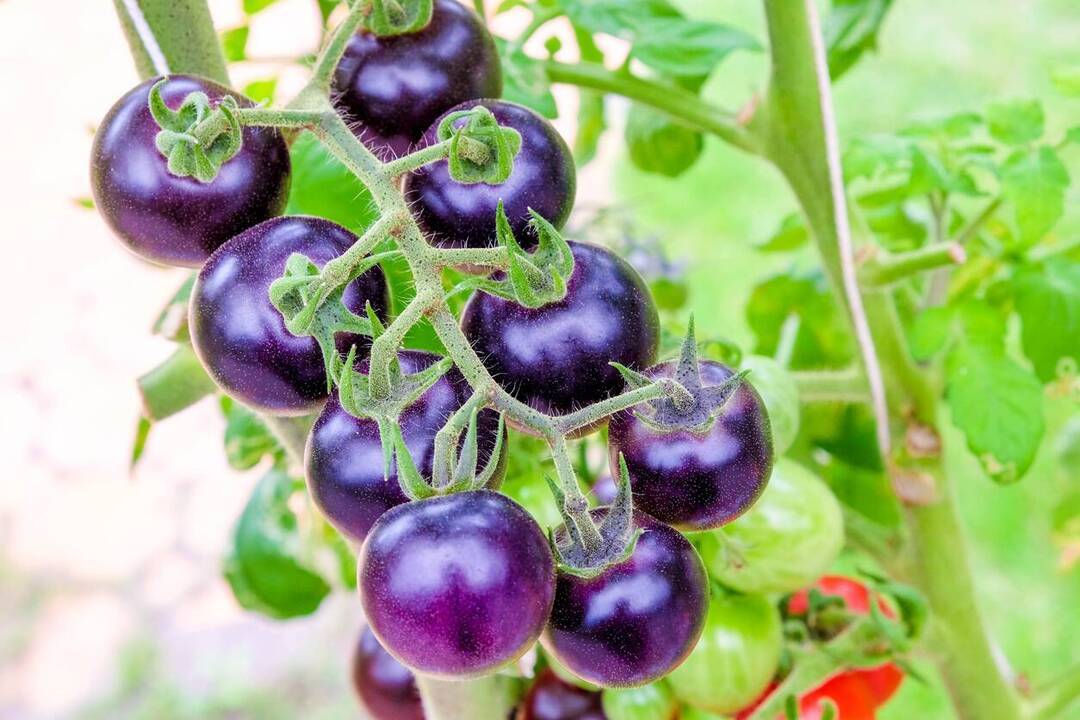
In a groundbreaking move, Australia has given the green light to the commercial sale of genetically modified purple tomatoes. The GM Purple Tomato has been modified to produce natural purple/blue pigments, called anthocyanins, in the fruit as it ripens. This innovative development is set to revolutionize the way we think about tomatoes and their potential health benefits.
The risk assessment conducted by a regulator concluded that this release poses negligible risk to the health and safety of people or the environment. This decision paves the way for the widespread cultivation and sale of these unique tomatoes, which are expected to hit the market soon.
What are Anthocyanins?
Anthocyanins are powerful antioxidants that are responsible for the red, purple, and blue colors of many fruits and vegetables. They have been shown to have numerous health benefits, including reducing inflammation, improving heart health, and even helping to prevent certain types of cancer. The high anthocyanin content in the GM Purple Tomato makes it an attractive option for health-conscious consumers.
How were the GM Purple Tomatoes Developed?
The GM Purple Tomato was developed using a process called genetic modification, which involves introducing a specific gene from one organism into the DNA of another organism. In this case, scientists introduced a gene from a purple petunia flower into the DNA of a tomato plant. This gene codes for the production of anthocyanins, which are then expressed in the fruit as it ripens.
The development of the GM Purple Tomato is a testament to the power of genetic engineering and its potential to improve the nutritional content of our food. By introducing genes that code for specific nutrients or antioxidants, scientists can create crops that are more nutritious and healthier for consumption.
Benefits of the GM Purple Tomato
The GM Purple Tomato has several benefits that make it an attractive option for consumers. Some of the key benefits include:
- High in Antioxidants: The GM Purple Tomato is rich in anthocyanins, which are powerful antioxidants that can help protect against cell damage and reduce the risk of certain diseases.
- Improved Nutritional Content: The GM Purple Tomato has a higher nutritional content than traditional tomatoes, making it a great option for health-conscious consumers.
- Unique Color and Flavor: The GM Purple Tomato has a unique purple color and a slightly sweeter flavor than traditional tomatoes, making it a great addition to a variety of dishes.
- Increased Shelf Life: The GM Purple Tomato has a longer shelf life than traditional tomatoes, making it easier to transport and store.
Regulatory Framework
The approval of the GM Purple Tomato for commercial sale in Australia is a significant milestone in the regulation of genetically modified crops. The risk assessment conducted by the regulator concluded that the release of the GM Purple Tomato poses negligible risk to the health and safety of people or the environment.
The regulatory framework for genetically modified crops in Australia is robust and ensures that all GM crops are thoroughly assessed for their safety and potential environmental impact before they are approved for commercial sale.
Conclusion
The approval of the GM Purple Tomato for commercial sale in Australia is a significant development in the world of genetically modified crops. The GM Purple Tomato has the potential to revolutionize the way we think about tomatoes and their potential health benefits. With its high anthocyanin content, unique color and flavor, and improved nutritional content, the GM Purple Tomato is set to become a popular choice among health-conscious consumers.
As the world continues to grapple with the challenges of food security and sustainability, the development of genetically modified crops like the GM Purple Tomato is an important step forward. By embracing innovative technologies like genetic engineering, we can create crops that are more nutritious, healthier, and better equipped to meet the needs of a growing global population.
Source:
https://www.isaaa.org/kc/cropbiotechupdate/article/default.asp
About the Author