Safer Method Boosts Gas Capture for Clean Energy
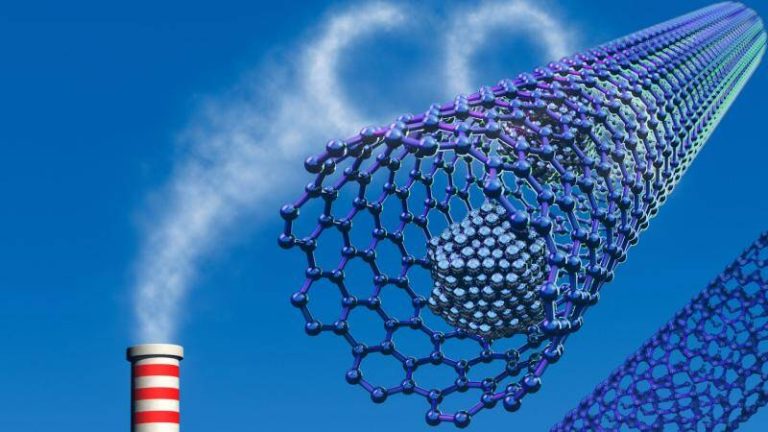
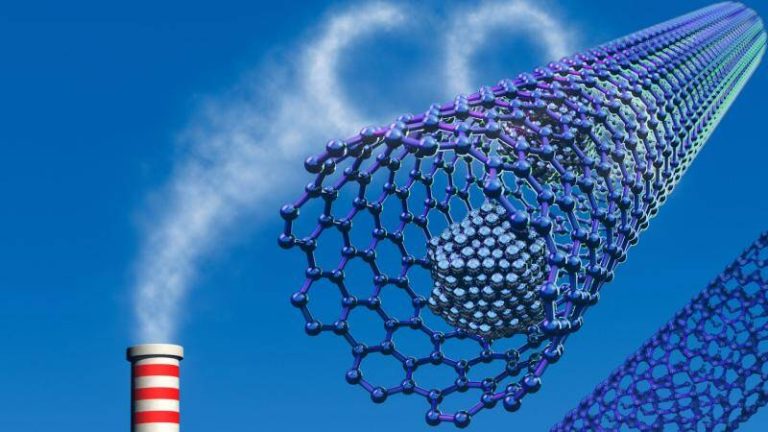
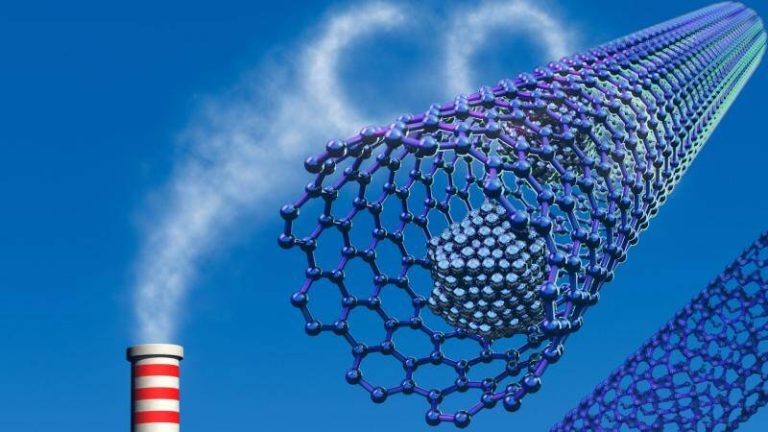
As the world grapples with the challenges of climate change, the need for innovative solutions to reduce greenhouse gas emissions and promote clean energy has never been more pressing. One area of research that has shown significant promise in recent years is the development of metal-organic frameworks (MOFs) for carbon capture and storage. These porous materials have the potential to efficiently trap and store greenhouse gases, such as carbon dioxide and methane, at room temperature, making them a crucial component in the fight against climate change. However, the traditional synthesis methods used to produce MOFs often rely on toxic chemicals, such as hydrofluoric acid, which poses significant safety risks to researchers and the environment.
In a groundbreaking breakthrough, researchers have developed a fluoride-free synthesis method for MOFs, replacing toxic hydrofluoric acid with safer modulators. This simplified method not only reduces the risks associated with traditional synthesis techniques but also produces superior crystals that can trap greenhouse gases and store hydrogen more efficiently. The implications of this discovery are far-reaching, paving the way for the development of affordable carbon scrubbers and advanced atmospheric water harvesting systems that can help mitigate the effects of climate change globally.
The Challenge of Traditional Synthesis Methods
Traditional synthesis methods for MOFs typically involve the use of hydrofluoric acid, a highly toxic and corrosive chemical that requires specialized handling and equipment. The use of hydrofluoric acid poses significant safety risks to researchers, including severe burns and respiratory problems. Furthermore, the disposal of hydrofluoric acid and other toxic chemicals used in traditional synthesis methods can have devastating environmental consequences, including contamination of soil and water sources. The need for safer and more sustainable synthesis methods has been a major hurdle in the development of MOFs for large-scale industrial applications.
A Safer and More Efficient Synthesis Method
The new fluoride-free synthesis method developed by researchers uses safer modulators to produce MOFs with superior crystal structures. This method not only reduces the risks associated with traditional synthesis techniques but also simplifies the production process, making it more efficient and cost-effective. The resulting MOFs have been shown to have enhanced gas capture and storage capabilities, including the ability to trap greenhouse gases and store hydrogen at room temperature. This breakthrough has significant implications for the development of carbon capture and storage technologies, as well as advanced atmospheric water harvesting systems.
Enhanced Gas Capture and Storage Capabilities
The MOFs produced using the new fluoride-free synthesis method have been shown to have enhanced gas capture and storage capabilities. These materials can efficiently trap and store greenhouse gases, such as carbon dioxide and methane, at room temperature, making them ideal for use in carbon capture and storage applications. Additionally, the MOFs have been shown to have high hydrogen storage capacities, making them promising materials for the development of advanced hydrogen fuel cells. The ability to store hydrogen at room temperature is a significant breakthrough, as it eliminates the need for high-pressure and high-temperature storage systems, making hydrogen fuel cells more efficient and cost-effective.
Paving the Way for Affordable Carbon Scrubbers
The development of safer and more efficient synthesis methods for MOFs has significant implications for the development of affordable carbon scrubbers. Carbon scrubbers are devices that use MOFs to capture and store greenhouse gases from industrial sources, such as power plants and factories. The use of MOFs in carbon scrubbers has the potential to reduce greenhouse gas emissions from these sources by up to 90%. However, the high cost of traditional synthesis methods has limited the widespread adoption of carbon scrubbers. The new fluoride-free synthesis method developed by researchers has the potential to reduce the cost of MOF production, making carbon scrubbers more affordable and accessible to industries around the world.
Advanced Atmospheric Water Harvesting Systems
The MOFs produced using the new fluoride-free synthesis method also have the potential to be used in advanced atmospheric water harvesting systems. These systems use MOFs to capture and condense water vapor from the air, providing a sustainable source of clean water for communities in need. The ability to harvest water from the air has significant implications for water-scarce regions, where access to clean drinking water is limited. The use of MOFs in atmospheric water harvesting systems has the potential to provide a reliable and sustainable source of clean water, reducing the risk of water-borne illnesses and improving the overall health and well-being of communities.
Conclusion
The development of a safer and more efficient synthesis method for MOFs is a significant breakthrough in the field of clean energy research. The new fluoride-free synthesis method has the potential to reduce the risks associated with traditional synthesis techniques, while also producing superior crystals with enhanced gas capture and storage capabilities. The implications of this discovery are far-reaching, paving the way for the development of affordable carbon scrubbers and advanced atmospheric water harvesting systems. As the world continues to grapple with the challenges of climate change, the development of innovative solutions like MOFs will play a crucial role in reducing greenhouse gas emissions and promoting clean energy.
News Source: https://researchmatters.in/news/greener-path-synthesising-metal-organic-frameworks-carbon-capture-and-storage
About the Author