Safer method boosts gas capture for clean energy
The world is facing an unprecedented crisis in the form of climate change, and the need for clean energy solutions has never been more pressing. One of the key strategies in the fight against climate change is the capture and storage of greenhouse gases, particularly carbon dioxide. Researchers have been working tirelessly to develop new materials and methods that can efficiently trap these gases, and a recent breakthrough has brought us one step closer to achieving this goal.
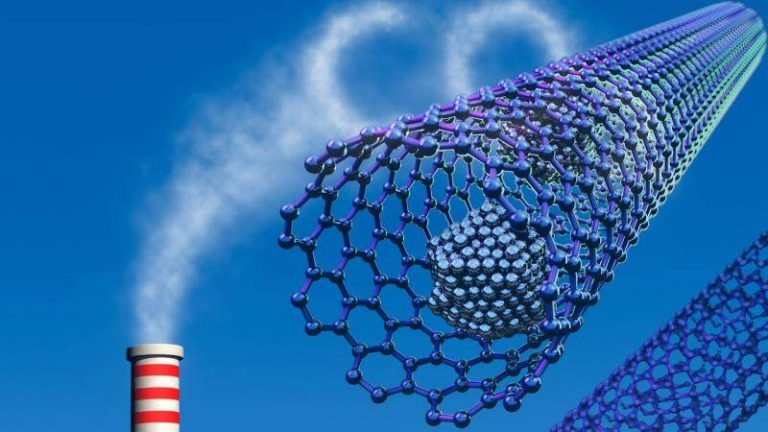
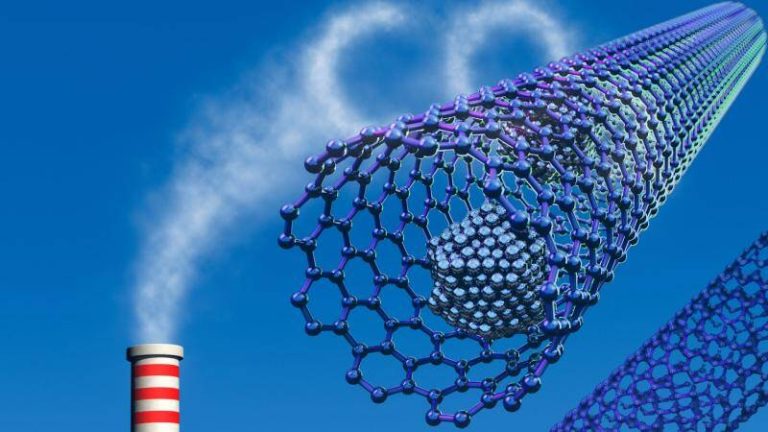
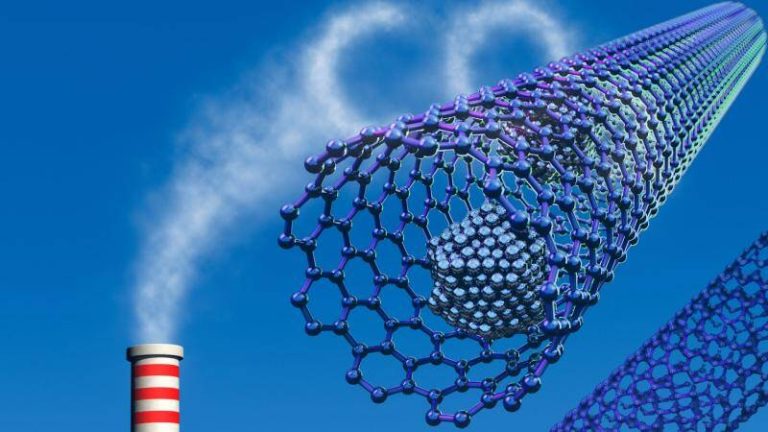
A team of scientists has developed a fluoride-free synthesis for metal-organic frameworks (MOFs), a class of materials that have shown immense promise in capturing and storing greenhouse gases. MOFs are porous materials that are composed of metal ions and organic linkers, and they have the ability to trap gases such as carbon dioxide and hydrogen. However, the traditional method of synthesizing MOFs involves the use of toxic hydrofluoric acid, which is a major safety concern.
The new method developed by the researchers replaces hydrofluoric acid with safer modulators, making the synthesis process much more environmentally friendly. This simplified method also produces superior crystals that are more efficient at trapping greenhouse gases and storing hydrogen at room temperature. The implications of this breakthrough are significant, as it paves the way for the development of affordable carbon scrubbers and advanced atmospheric water harvesting systems that can help to combat climate change globally.
The traditional method of synthesizing MOFs involves the use of hydrofluoric acid, which is a highly toxic and corrosive substance. The use of this acid poses significant safety risks to researchers and can also contaminate the environment. The new method developed by the researchers avoids the use of hydrofluoric acid altogether, instead using safer modulators to control the synthesis process. This not only makes the process safer but also more environmentally friendly.
The new method also produces MOFs with superior properties, including higher surface areas and more uniform pore sizes. These properties make the MOFs more efficient at trapping greenhouse gases and storing hydrogen, which is essential for a range of clean energy applications. The ability to store hydrogen at room temperature is particularly significant, as it could enable the widespread adoption of hydrogen fuel cells as a clean and efficient source of energy.
The potential applications of this breakthrough are vast and varied. One of the most significant is the development of affordable carbon scrubbers that can be used to capture and store carbon dioxide from power plant emissions and other industrial sources. This could play a major role in reducing greenhouse gas emissions and mitigating the impacts of climate change. The MOFs could also be used to develop advanced atmospheric water harvesting systems, which could provide clean drinking water for millions of people around the world.
The development of this new method is a significant step forward in the quest for clean energy solutions. The use of safer modulators and the production of superior MOFs make this method a game-changer in the field of gas capture and storage. As the world continues to grapple with the challenges of climate change, breakthroughs like this one offer a beacon of hope for a more sustainable future.
In conclusion, the development of a fluoride-free synthesis for metal-organic frameworks is a major breakthrough in the field of clean energy. The new method is safer, more environmentally friendly, and produces MOFs with superior properties. The potential applications of this breakthrough are vast and varied, and it could play a significant role in the development of affordable carbon scrubbers and advanced atmospheric water harvesting systems. As researchers continue to explore the possibilities of MOFs, it is clear that this technology has the potential to make a major impact in the fight against climate change.
The development of this new method is a testament to the power of scientific innovation and the importance of continued investment in clean energy research. As the world continues to transition towards a more sustainable future, breakthroughs like this one will be essential in driving progress and achieving our goals. With the potential to capture and store greenhouse gases, store hydrogen, and provide clean drinking water, MOFs are an exciting and rapidly evolving field of research that is sure to play a major role in shaping the future of clean energy.
As we look to the future, it is clear that the development of MOFs and other clean energy technologies will be critical in the fight against climate change. The use of safer modulators and the production of superior MOFs make this method a significant step forward in the quest for clean energy solutions. With continued investment and innovation, it is possible that MOFs could become a key component of a global effort to reduce greenhouse gas emissions and create a more sustainable future for all.
News Source: https://researchmatters.in/news/greener-path-synthesising-metal-organic-frameworks-carbon-capture-and-storage
About the Author