Safer method boosts gas capture for clean energy
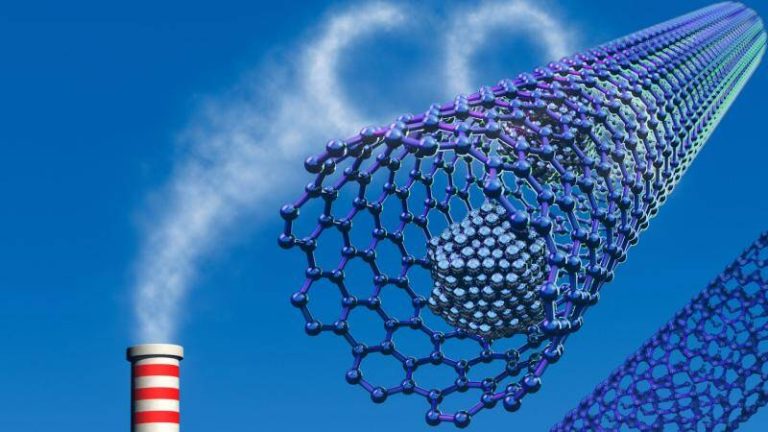
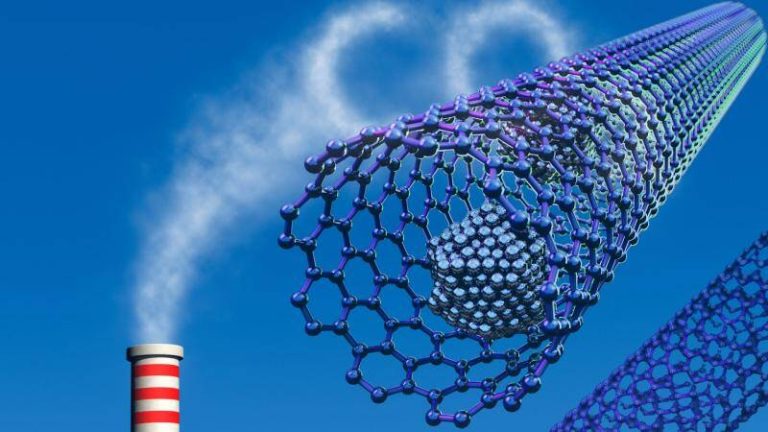
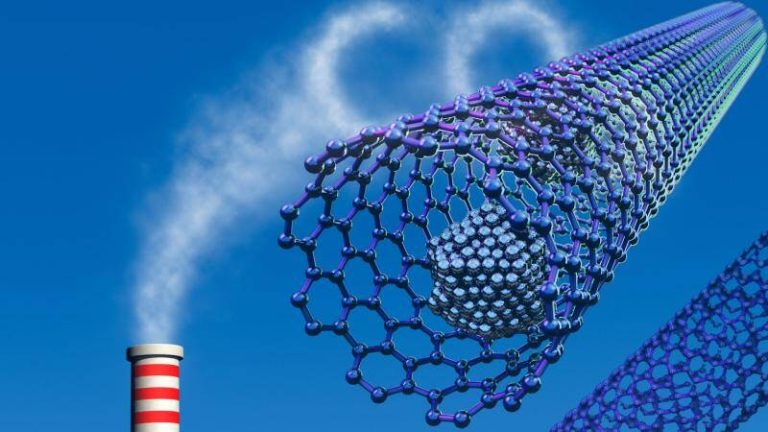
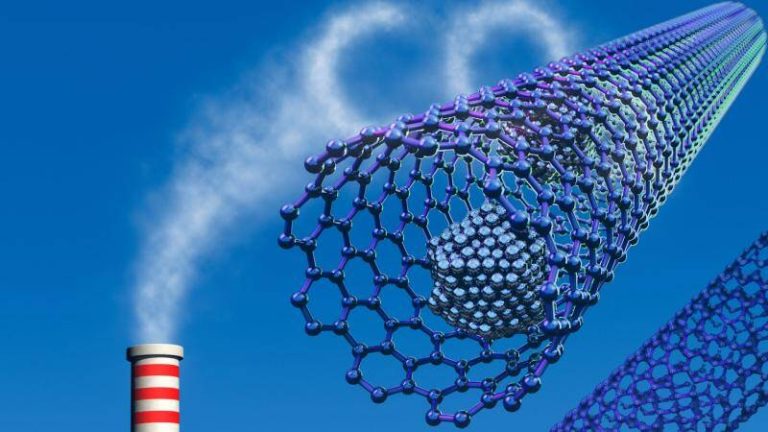
The world is grappling with the challenges of climate change, and one of the most significant contributors to this problem is the increasing levels of greenhouse gases in the atmosphere. Carbon dioxide, in particular, is a major culprit, and finding effective ways to capture and store it has become a pressing concern. Researchers have been working tirelessly to develop innovative solutions to this problem, and a recent breakthrough in the synthesis of metal-organic frameworks (MOFs) is poised to revolutionize the field of clean energy.
Metal-organic frameworks are porous materials that have shown great promise in capturing and storing greenhouse gases, as well as hydrogen, which is a clean-burning fuel. However, the traditional method of synthesizing MOFs involves the use of toxic hydrofluoric acid, which is a significant safety concern. Hydrofluoric acid is a highly corrosive and toxic substance that can cause severe burns and even death if not handled properly. The use of this acid has limited the widespread adoption of MOFs, as it requires specialized equipment and handling procedures.
In a significant breakthrough, researchers have developed a fluoride-free synthesis method for MOFs, replacing toxic hydrofluoric acid with safer modulators. This new method is not only safer but also more efficient, producing superior crystals that can trap greenhouse gases and store hydrogen more effectively at room temperature. The implications of this discovery are profound, as it paves the way for the development of affordable carbon scrubbers and advanced atmospheric water harvesting systems that can help mitigate the effects of climate change.
The new synthesis method involves the use of modulators that can control the growth of MOF crystals, allowing for the creation of materials with tailored properties. This approach enables the production of MOFs with higher surface areas and more efficient gas capture capabilities. The resulting materials have shown remarkable performance in capturing carbon dioxide and other greenhouse gases, making them ideal for use in carbon capture and storage applications.
One of the most significant advantages of this new method is its ability to produce MOFs that can operate effectively at room temperature. Traditional MOFs often require high temperatures and pressures to function efficiently, which can be energy-intensive and expensive. The new MOFs, on the other hand, can capture and store gases at ambient temperatures, making them more practical and cost-effective for widespread use.
The potential applications of this technology are vast and varied. Carbon scrubbers, which can remove carbon dioxide from power plant emissions and other industrial sources, can be made more efficient and affordable using these new MOFs. Additionally, the advanced atmospheric water harvesting systems that can be developed using these materials can provide clean drinking water for communities in need, especially in areas where access to clean water is limited.
The fight against climate change requires a multi-faceted approach, and the development of more efficient and cost-effective technologies for carbon capture and storage is a critical component of this effort. The new fluoride-free synthesis method for MOFs is a significant step forward in this direction, offering a safer, more efficient, and more practical solution for reducing greenhouse gas emissions and promoting clean energy.
As researchers continue to refine and improve this technology, we can expect to see more widespread adoption of MOFs in various applications, from carbon capture and storage to advanced water harvesting systems. The potential for these materials to make a positive impact on the environment is enormous, and it is exciting to think about the possibilities that this breakthrough has opened up.
In conclusion, the development of a fluoride-free synthesis method for metal-organic frameworks is a major breakthrough in the field of clean energy. By replacing toxic hydrofluoric acid with safer modulators, researchers have created a more efficient and practical method for producing MOFs that can capture and store greenhouse gases and hydrogen. The implications of this discovery are far-reaching, and it has the potential to play a significant role in the global effort to combat climate change. As we continue to develop and refine this technology, we can look forward to a cleaner, more sustainable future for generations to come.
News source: https://researchmatters.in/news/greener-path-synthesising-metal-organic-frameworks-carbon-capture-and-storage
About the Author