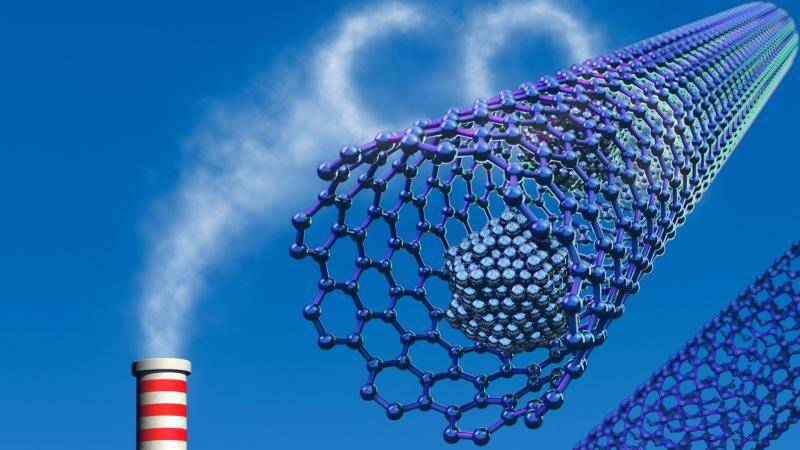
Safer method boosts gas capture for clean energy
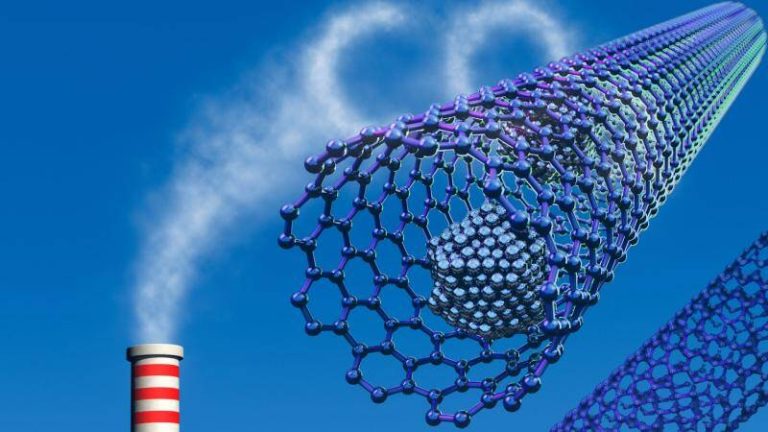
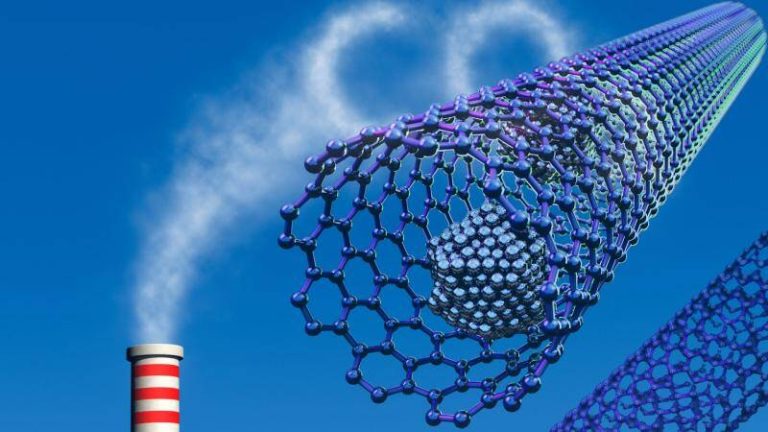
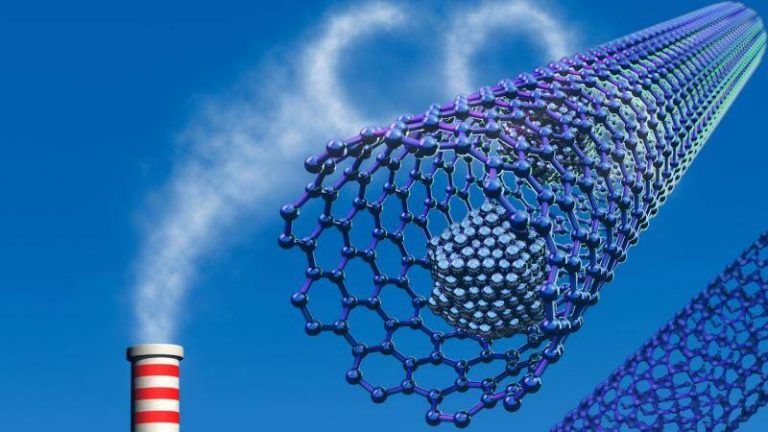
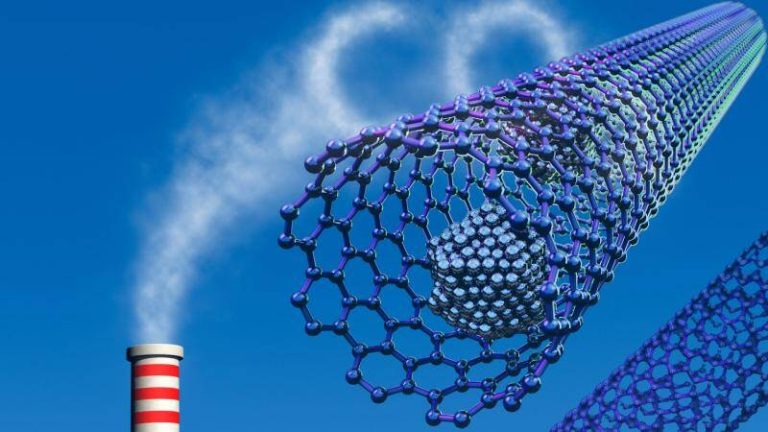
The world is shifting towards cleaner and more sustainable sources of energy to combat the growing threat of climate change. One of the key strategies in this fight is the capture and storage of greenhouse gases, particularly carbon dioxide (CO2), which is a major contributor to global warming. Researchers have been working tirelessly to develop more efficient and cost-effective methods for capturing and storing these gases, and a recent breakthrough in the synthesis of metal-organic frameworks (MOFs) is a significant step in this direction.
Metal-organic frameworks are a class of porous materials that have been shown to be highly effective in capturing and storing gases, including CO2 and hydrogen (H2). However, the traditional method of synthesizing MOFs involves the use of toxic hydrofluoric acid (HF), which poses significant safety risks to researchers and the environment. In a major breakthrough, researchers have developed a fluoride-free synthesis method for MOFs, replacing HF with safer modulators. This innovative approach not only improves safety but also produces superior crystals that trap greenhouse gases and store hydrogen more efficiently at room temperature.
The new synthesis method is a significant improvement over traditional techniques, which often require the use of harsh chemicals and high temperatures. The fluoride-free approach uses milder conditions and safer reagents, making it a more attractive option for large-scale industrial applications. The resulting MOFs have been shown to have enhanced crystallinity and porosity, which enables them to capture and store gases more efficiently. This is particularly important for carbon capture and storage (CCS) applications, where the goal is to remove CO2 from power plant emissions and store it safely underground.
The potential impact of this breakthrough is enormous. With the ability to produce high-quality MOFs at a lower cost and with greater safety, the door is open to the development of more affordable carbon scrubbers and advanced atmospheric water harvesting systems. These technologies have the potential to make a significant dent in global greenhouse gas emissions, which are currently estimated to be around 42 billion metric tons per year. By capturing and storing CO2, we can reduce the amount of this potent greenhouse gas in the atmosphere and slow the rate of global warming.
But the benefits of this research don’t stop there. The new MOFs also show great promise for hydrogen storage applications, which are critical for the development of fuel cell technologies. Fuel cells have the potential to revolutionize the way we power our vehicles and homes, providing a clean and efficient source of energy that produces only water and heat as byproducts. However, the lack of safe and efficient hydrogen storage methods has been a major hurdle to the widespread adoption of fuel cells. The new MOFs developed in this research could help to overcome this challenge, enabling the widespread use of fuel cells and reducing our reliance on fossil fuels.
The implications of this research are global, and the potential benefits are enormous. By developing more efficient and cost-effective methods for capturing and storing greenhouse gases, we can reduce the economic and environmental costs associated with climate change. This is particularly important for developing countries, where the impacts of climate change are often felt most acutely. By providing access to clean and affordable energy, we can help to reduce poverty and inequality, while also protecting the environment and promoting sustainable development.
In conclusion, the development of a fluoride-free synthesis method for metal-organic frameworks is a significant breakthrough in the quest for clean energy. By producing superior crystals that trap greenhouse gases and store hydrogen more efficiently at room temperature, this research paves the way for the development of more affordable carbon scrubbers and advanced atmospheric water harvesting systems. As the world continues to grapple with the challenges of climate change, innovations like this will be critical in our efforts to reduce greenhouse gas emissions and promote sustainable development. With further research and development, it is possible that this technology could play a major role in the global transition to a low-carbon economy, helping to create a cleaner, healthier, and more prosperous world for all.
News Source: https://researchmatters.in/news/greener-path-synthesising-metal-organic-frameworks-carbon-capture-and-storage
About the Author