Safer method boosts gas capture for clean energy
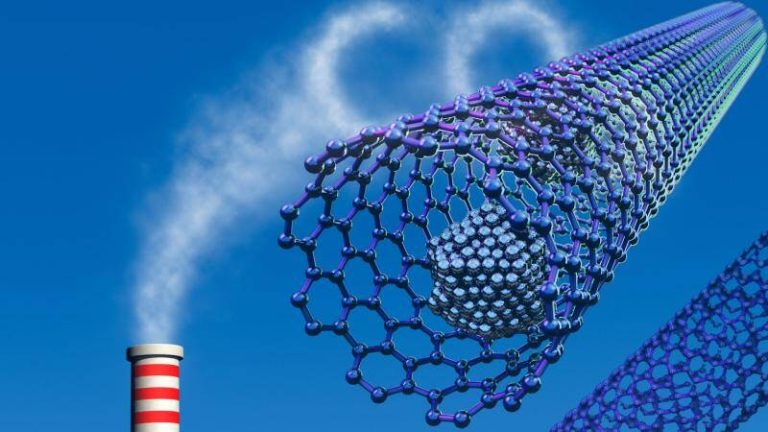
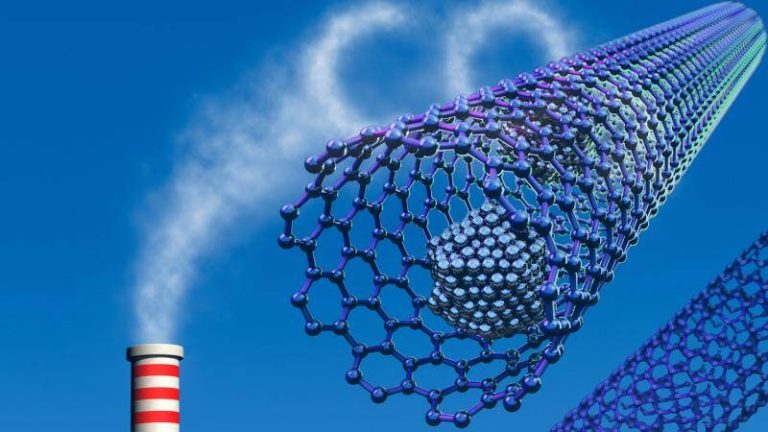
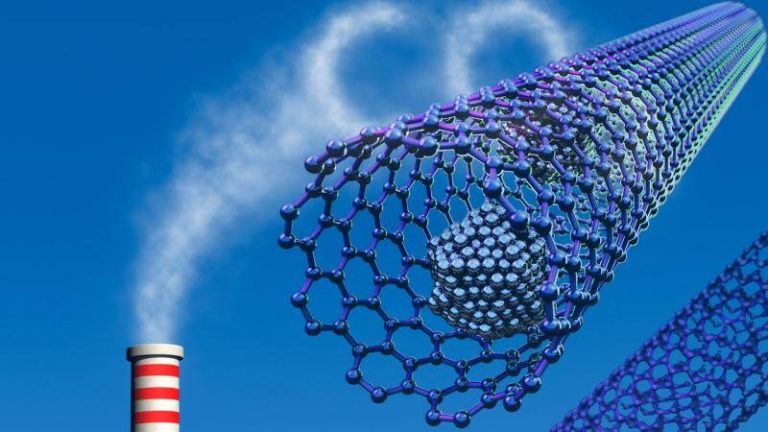
The quest for clean energy and reducing greenhouse gas emissions has been a pressing concern for scientists and researchers worldwide. One of the most promising solutions to combat climate change is the development of efficient carbon capture and storage technologies. Metal-organic frameworks (MOFs) have emerged as a key material in this endeavor, owing to their exceptional ability to trap and store gases, including carbon dioxide and hydrogen. However, the traditional synthesis methods for MOFs have been plagued by the use of toxic hydrofluoric acid, posing significant safety risks and environmental concerns. In a groundbreaking breakthrough, researchers have developed a fluoride-free synthesis method for MOFs, replacing the hazardous acid with safer modulators. This innovative approach not only simplifies the production process but also yields superior crystals that can capture greenhouse gases and store hydrogen more efficiently at room temperature.
The traditional method of synthesizing MOFs involves the use of hydrofluoric acid, a highly toxic and corrosive substance that requires specialized equipment and handling procedures. The acid is used to modulate the growth of MOF crystals, allowing for the creation of a diverse range of structures with unique properties. However, the handling of hydrofluoric acid poses significant risks to researchers, and its disposal is a major environmental concern. Moreover, the use of this acid can lead to defects in the MOF crystals, compromising their performance and stability.
The new fluoride-free synthesis method developed by researchers addresses these concerns by replacing hydrofluoric acid with safer modulators. These modulators, which can be derived from natural sources or synthesized through environmentally friendly methods, can be used to control the growth of MOF crystals without the need for toxic acids. The resulting crystals exhibit superior properties, including enhanced surface areas, pore sizes, and thermal stability. This, in turn, enables them to capture greenhouse gases and store hydrogen more efficiently, making them ideal for applications in carbon capture and storage, as well as hydrogen fuel cells.
One of the most significant advantages of the new synthesis method is its ability to produce MOFs that can operate efficiently at room temperature. This is a major breakthrough, as most MOFs require high temperatures or pressures to function effectively, which can be energy-intensive and costly. The ability to capture and store gases at room temperature opens up new possibilities for the development of affordable carbon scrubbers and advanced atmospheric water harvesting systems. These technologies can be used to remove carbon dioxide from the atmosphere, reducing the amount of greenhouse gases and mitigating the effects of climate change.
The implications of this breakthrough are far-reaching, with potential applications in a wide range of fields, from energy and environment to healthcare and industry. For instance, MOFs can be used to capture carbon dioxide from power plant emissions, reducing the amount of greenhouse gases released into the atmosphere. They can also be used to store hydrogen, which can be used as a clean fuel source for vehicles and power generation. Additionally, MOFs can be used to remove pollutants and toxins from water and air, improving the quality of life for communities worldwide.
The development of this safer synthesis method for MOFs is a significant step towards creating a more sustainable and environmentally friendly approach to clean energy. By replacing toxic hydrofluoric acid with safer modulators, researchers can now produce high-quality MOFs without compromising their safety or the environment. This innovation has the potential to accelerate the development of carbon capture and storage technologies, as well as hydrogen fuel cells, and can play a critical role in reducing greenhouse gas emissions and mitigating the effects of climate change.
In conclusion, the new fluoride-free synthesis method for MOFs is a groundbreaking breakthrough that has the potential to revolutionize the field of clean energy. By producing superior crystals that can capture greenhouse gases and store hydrogen more efficiently at room temperature, this innovation can pave the way for the development of affordable carbon scrubbers and advanced atmospheric water harvesting systems. As researchers continue to explore the possibilities of MOFs, it is clear that this safer synthesis method will play a critical role in creating a more sustainable and environmentally friendly approach to clean energy.
News Source: https://researchmatters.in/news/greener-path-synthesising-metal-organic-frameworks-carbon-capture-and-storage
About the Author