Safer method boosts gas capture for clean energy
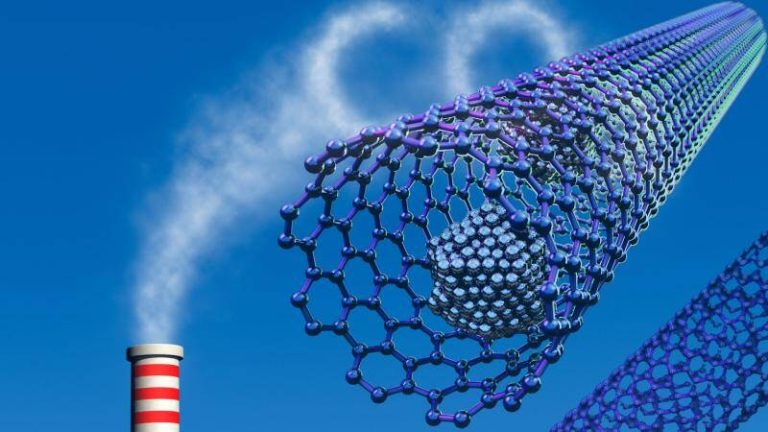
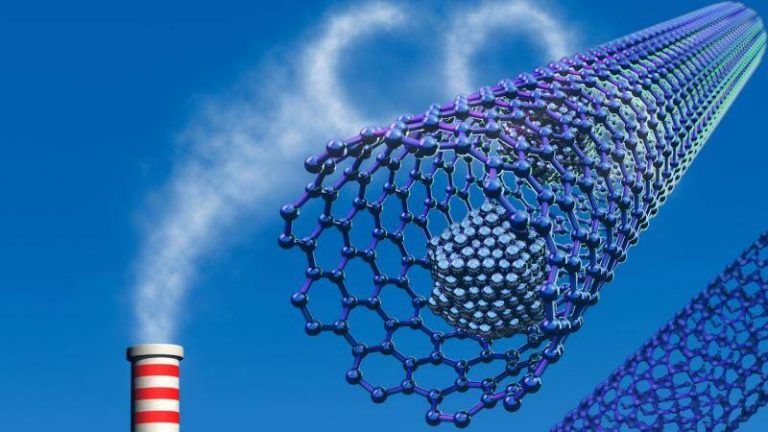
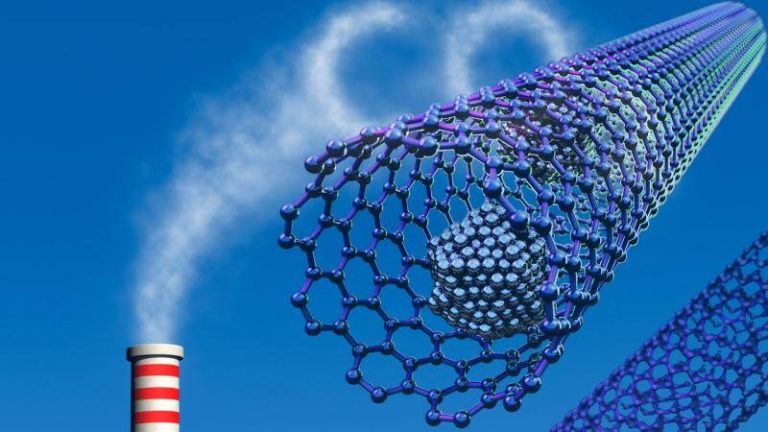
The world is shifting towards cleaner energy sources to combat climate change, and one crucial step in this transition is the development of efficient methods for capturing and storing greenhouse gases. Metal-organic frameworks (MOFs) have emerged as promising materials for this purpose, owing to their high surface area and tunable properties. However, the traditional synthesis of MOFs involves the use of toxic hydrofluoric acid, which poses significant environmental and health risks. In a breakthrough, researchers have developed a fluoride-free synthesis for MOFs, replacing hydrofluoric acid with safer modulators. This innovative method not only simplifies the production process but also yields superior crystals that can trap greenhouse gases and store hydrogen more efficiently at room temperature.
The new synthesis method has far-reaching implications for the development of affordable carbon scrubbers and advanced atmospheric water harvesting systems. By enabling the efficient capture and storage of greenhouse gases, MOFs can play a critical role in mitigating climate change. The simplified and safer production process will also make it easier to scale up the production of MOFs, paving the way for their widespread adoption in various industries.
The traditional synthesis of MOFs: A toxic affair
The traditional synthesis of MOFs involves the use of hydrofluoric acid, a highly toxic and corrosive substance. Hydrofluoric acid is used as a modulator to control the growth of MOF crystals, but it poses significant risks to human health and the environment. The acid can cause severe burns, respiratory problems, and even death if not handled properly. Moreover, the disposal of hydrofluoric acid is a significant environmental concern, as it can contaminate soil and water sources.
Despite the risks associated with hydrofluoric acid, it has been widely used in the synthesis of MOFs due to its effectiveness in producing high-quality crystals. However, the development of safer and more environmentally friendly methods has been an active area of research in recent years. The new fluoride-free synthesis method represents a significant breakthrough in this field, as it replaces hydrofluoric acid with safer modulators that can produce superior MOF crystals.
The new synthesis method: A safer and more efficient approach
The new synthesis method developed by researchers involves the use of safer modulators that can control the growth of MOF crystals without the need for hydrofluoric acid. The modulators used in this method are not only less toxic but also more efficient, resulting in the production of superior MOF crystals. The crystals produced using this method have a higher surface area and better stability, making them more effective for capturing and storing greenhouse gases.
The new synthesis method is also more straightforward and cost-effective than the traditional method. The use of safer modulators eliminates the need for specialized equipment and handling procedures, reducing the overall cost of production. Moreover, the method can be easily scaled up for industrial-scale production, making it a promising solution for the widespread adoption of MOFs in various industries.
Applications of MOFs in clean energy
MOFs have a wide range of applications in clean energy, from carbon capture and storage to hydrogen storage and fuel cells. The high surface area and tunable properties of MOFs make them ideal materials for capturing and storing greenhouse gases. By using MOFs, it is possible to develop efficient carbon scrubbers that can remove CO2 from power plant emissions, reducing the amount of greenhouse gases released into the atmosphere.
MOFs can also be used for hydrogen storage, which is a critical component of fuel cell technology. Hydrogen is a clean-burning fuel that can be used to power vehicles and generate electricity, but its storage and transportation are significant challenges. MOFs can absorb and store hydrogen at room temperature, making them a promising solution for hydrogen storage and transportation.
Advanced atmospheric water harvesting systems
Another exciting application of MOFs is in the development of advanced atmospheric water harvesting systems. These systems can capture water vapor from the air, even in arid environments, and condense it into liquid water. MOFs can be used to enhance the efficiency of these systems, allowing them to capture more water vapor and produce more liquid water.
The development of advanced atmospheric water harvesting systems has significant implications for global water security. Many parts of the world are facing severe water shortages, and the ability to capture and condense water vapor from the air could provide a sustainable solution. By using MOFs, it is possible to develop more efficient and cost-effective atmospheric water harvesting systems that can provide clean drinking water for millions of people around the world.
Conclusion
The development of a fluoride-free synthesis for MOFs represents a significant breakthrough in the field of clean energy. By replacing hydrofluoric acid with safer modulators, researchers have created a more efficient and cost-effective method for producing high-quality MOF crystals. The new synthesis method has far-reaching implications for the development of affordable carbon scrubbers, advanced atmospheric water harvesting systems, and hydrogen storage solutions.
As the world continues to shift towards cleaner energy sources, the demand for efficient and sustainable materials like MOFs will only increase. The new synthesis method developed by researchers will play a critical role in meeting this demand, enabling the widespread adoption of MOFs in various industries. With its potential to capture and store greenhouse gases, store hydrogen, and harvest atmospheric water, the new synthesis method is a significant step towards a cleaner and more sustainable future.
News source: https://researchmatters.in/news/greener-path-synthesising-metal-organic-frameworks-carbon-capture-and-storage
About the Author