Safer Method Boosts Gas Capture for Clean Energy
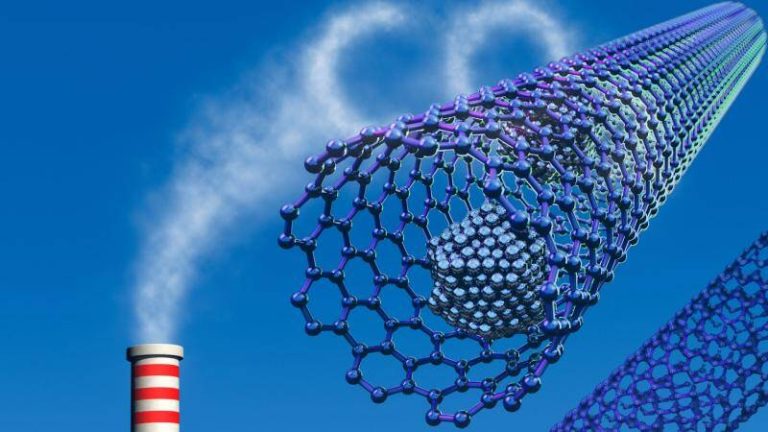
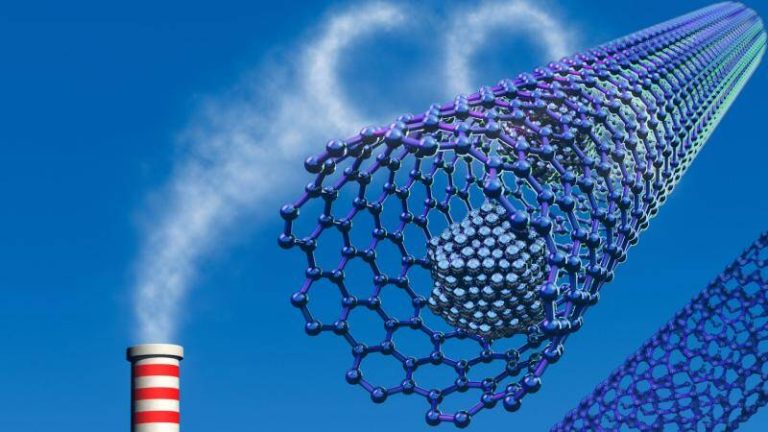
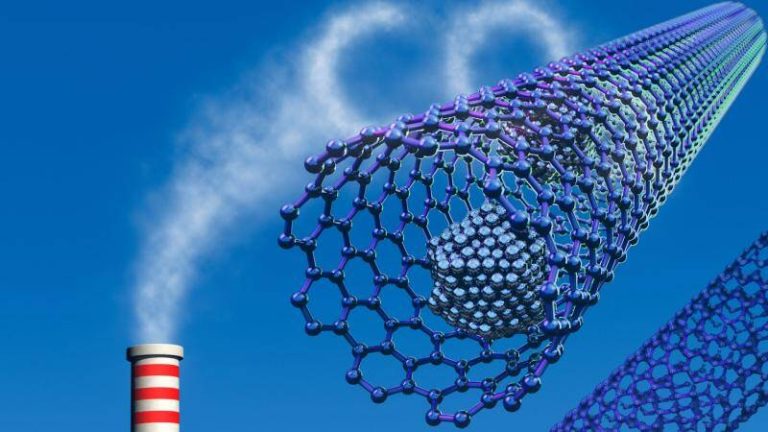
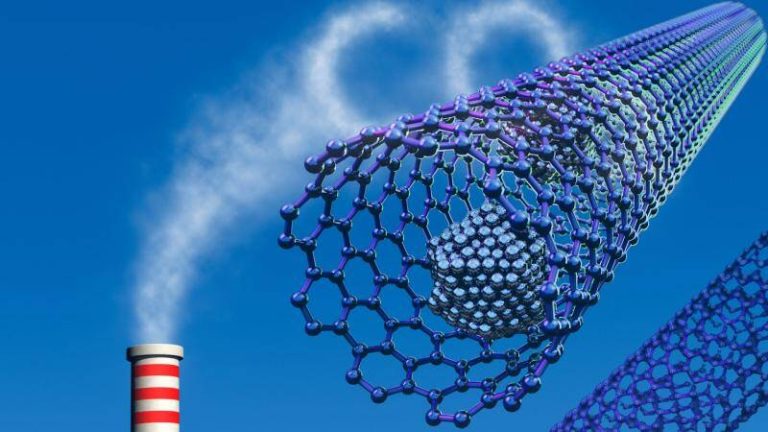
The pursuit of clean energy and the reduction of greenhouse gas emissions have become a global imperative. One of the key strategies in this fight against climate change is the development of efficient methods for capturing and storing carbon dioxide (CO2) and other gases. Metal-organic frameworks (MOFs) have emerged as promising materials for gas capture and storage due to their high surface area, tunable pore size, and chemical versatility. However, the traditional synthesis of MOFs often involves the use of toxic hydrofluoric acid (HF), which poses significant safety risks to researchers and the environment. In a breakthrough, researchers have developed a fluoride-free synthesis for MOFs, replacing HF with safer modulators. This innovative approach not only enhances safety but also produces superior MOF crystals that can trap greenhouse gases and store hydrogen more efficiently at room temperature.
The traditional method of synthesizing MOFs involves the use of HF as a modulator to control the size and shape of the crystals. However, HF is a highly toxic and corrosive substance that can cause severe burns and respiratory problems. The handling of HF requires specialized equipment and safety protocols, making it a significant challenge for researchers. Furthermore, the use of HF can also lead to the contamination of MOFs with fluoride ions, which can affect their performance and stability.
The new fluoride-free synthesis method developed by researchers replaces HF with safer modulators, such as acetic acid or trifluoroacetic acid. These modulators can control the crystal growth of MOFs without the need for toxic HF. The resulting MOF crystals are not only safer to handle but also exhibit superior properties, such as higher surface area, larger pore size, and improved chemical stability.
One of the most significant advantages of the new synthesis method is its ability to produce MOFs that can efficiently capture and store greenhouse gases, such as CO2 and methane (CH4), at room temperature. The high surface area and tunable pore size of MOFs make them ideal for gas adsorption, allowing them to trap gas molecules and prevent them from entering the atmosphere. The new synthesis method enables the production of MOFs with optimized pore size and chemistry, leading to enhanced gas capture efficiency and selectivity.
In addition to gas capture, the new MOFs also show promising results for hydrogen storage. Hydrogen is a clean-burning fuel that can be used to power vehicles and generate electricity. However, the storage of hydrogen is a significant challenge due to its low density and high reactivity. MOFs have been shown to be effective materials for hydrogen storage, and the new synthesis method enables the production of MOFs with enhanced hydrogen storage capacity and stability.
The development of safer and more efficient methods for synthesizing MOFs has significant implications for the fight against climate change. The production of affordable carbon scrubbers and advanced atmospheric water harvesting systems could become a reality, enabling the widespread adoption of clean energy technologies. Carbon scrubbers can be used to capture CO2 from power plant emissions, while atmospheric water harvesting systems can provide clean drinking water for communities in water-scarce regions.
The new synthesis method also opens up opportunities for the development of novel MOF-based technologies, such as gas sensors, catalytic systems, and drug delivery platforms. The ability to produce MOFs with tailored properties and functionalities could lead to breakthroughs in a wide range of fields, from energy and environment to healthcare and materials science.
In conclusion, the development of a fluoride-free synthesis method for MOFs is a significant breakthrough in the pursuit of clean energy and climate change mitigation. The replacement of toxic HF with safer modulators not only enhances safety but also produces superior MOF crystals with enhanced gas capture and storage properties. As researchers continue to explore the potential of MOFs, the new synthesis method is expected to play a crucial role in the development of affordable and efficient carbon capture and storage technologies, paving the way for a more sustainable and environmentally friendly future.
News Source: https://researchmatters.in/news/greener-path-synthesising-metal-organic-frameworks-carbon-capture-and-storage
About the Author