Polluted Air Hurts Gut Health, Triggers Liver Stress: Study
The detrimental effects of air pollution on human health have been well-documented, with links to respiratory problems, cardiovascular disease, and even neurological disorders. However, a recent study conducted by UCLA Health has shed light on a previously underexplored consequence of breathing polluted air: its impact on gut health and liver function. The research, which exposed mice to ultrafine air particles over a 10-week period, found significant disruptions to the gut microbiome, triggering liver stress and increasing the risk of heart disease.
The study’s findings are alarming, suggesting that the effects of air pollution extend far beyond the lungs and cardiovascular system, affecting the delicate balance of the gut microbiome and liver function. The gut microbiome, comprising trillions of microorganisms, plays a crucial role in maintaining immune function, digesting nutrients, and producing certain vitamins. Any disruption to this balance, also known as dysbiosis, can have far-reaching consequences for overall health.
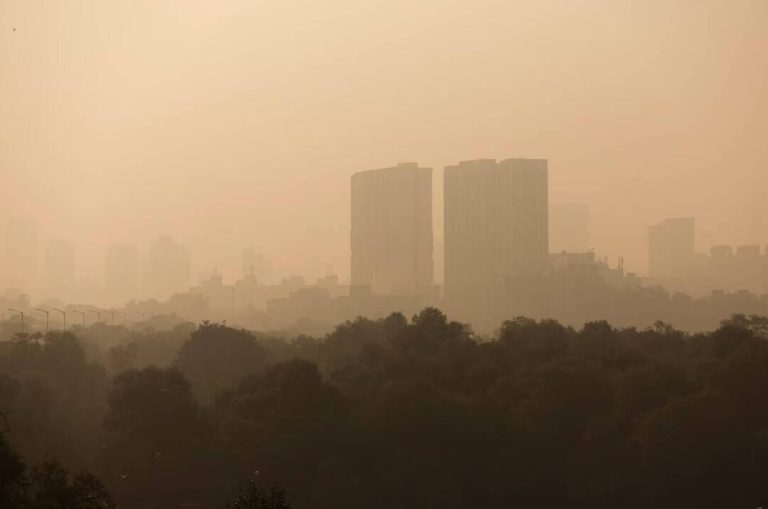
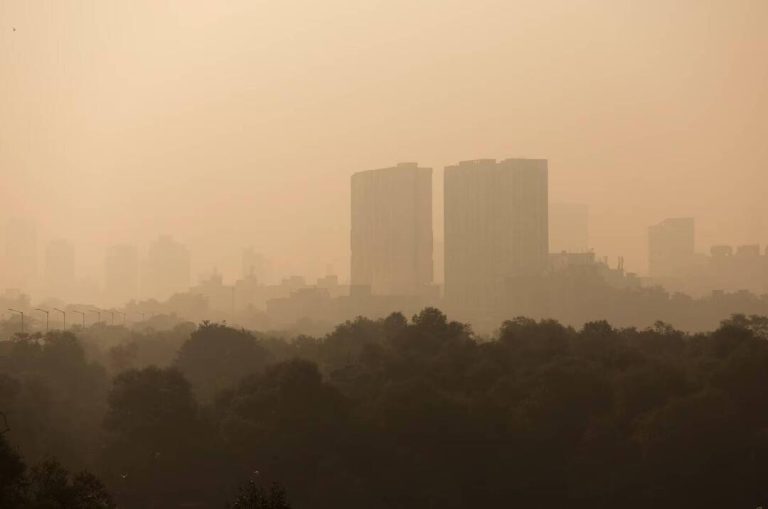
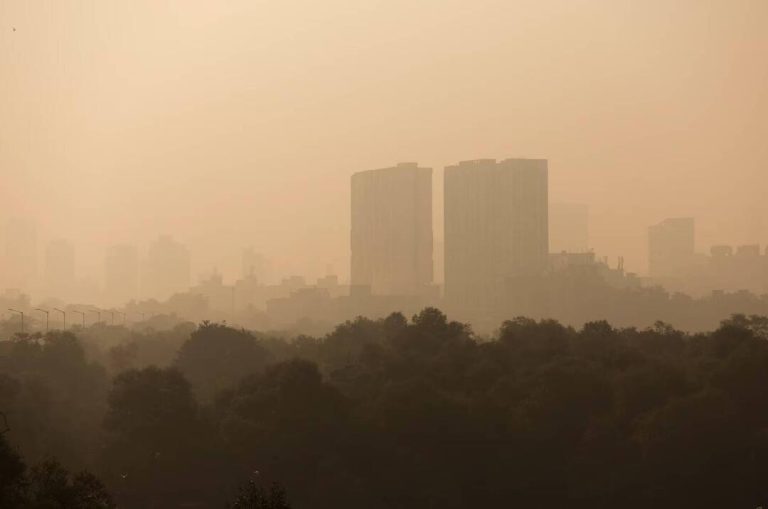
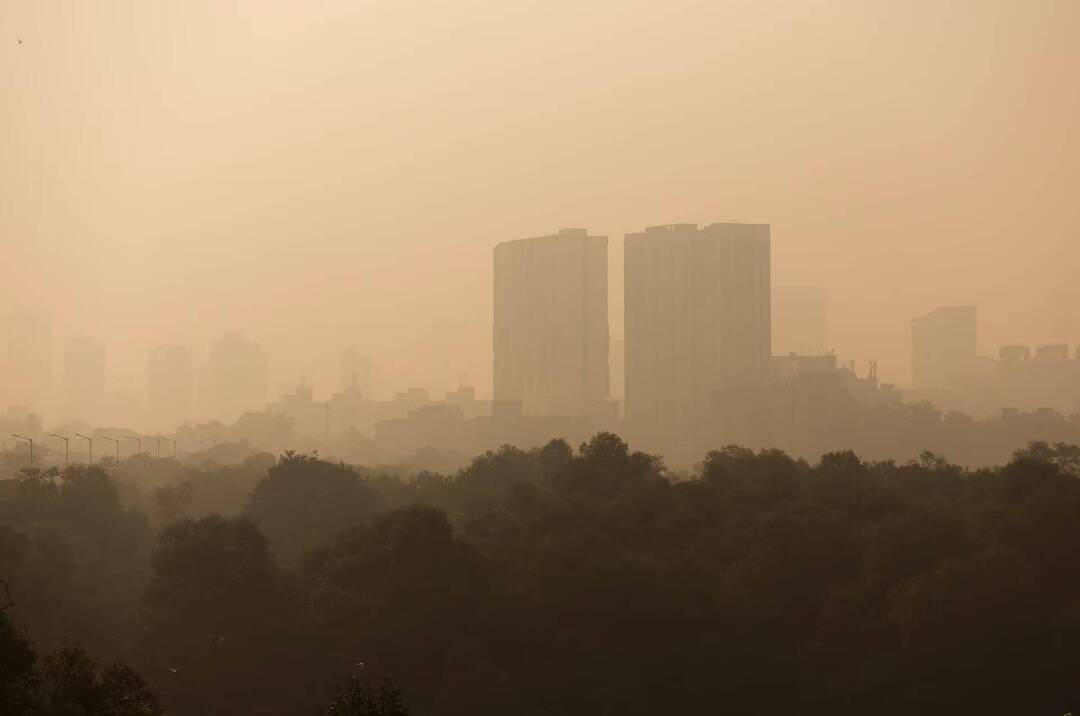
In the UCLA Health study, mice were exposed to ultrafine air particles, which are commonly found in urban environments due to vehicle emissions and industrial activities. These particles are particularly hazardous because of their small size, allowing them to penetrate deep into the lungs and even enter the bloodstream. Over the 10-week period, the researchers observed significant shifts in the gut microbiome of the exposed mice, with some species of bacteria increasing in abundance while others decreased.
The changes in the gut microbiome were strongly linked to increased atherosclerotic plaque buildup in major arteries, a hallmark of cardiovascular disease. Atherosclerosis occurs when fatty deposits accumulate on the inner lining of arteries, leading to inflammation and damage to the blood vessels. This can ultimately result in heart attacks, strokes, and other cardiovascular events. The study’s findings suggest that air pollution may be an underestimated contributor to the development of cardiovascular disease, with the gut microbiome playing a key role in this process.
But how exactly do ultrafine air particles affect the gut microbiome? One possible mechanism involves the activation of inflammatory pathways in the body. When ultrafine particles enter the lungs, they can trigger an immune response, leading to the release of pro-inflammatory cytokines. These cytokines can then enter the bloodstream and affect other parts of the body, including the gut. In the gut, the increased inflammation can disrupt the balance of the microbiome, leading to changes in the composition of bacterial species.
Another possible mechanism involves the direct translocation of ultrafine particles from the lungs to the gut. Research has shown that nanoparticles, including ultrafine air particles, can be transported from the lungs to the gut via the bloodstream. Once in the gut, these particles can interact with the gut microbiome, causing changes in the composition and function of the microbial community.
The study’s findings also have implications for liver health. The liver plays a critical role in detoxifying the body, filtering out toxins and waste products from the bloodstream. However, when the gut microbiome is disrupted, the liver can become overwhelmed, leading to increased stress and damage. The UCLA Health study found that the mice exposed to ultrafine air particles experienced increased liver stress, which was linked to the changes in the gut microbiome.
The implications of this study are significant, highlighting the need for increased awareness of the effects of air pollution on overall health. While the study was conducted in mice, the findings are likely to be relevant to humans, given the similarities between the two species in terms of gut microbiome composition and function. The study’s authors suggest that reducing exposure to air pollution, through measures such as using air purifiers or avoiding heavily polluted areas, may be an effective way to mitigate the negative effects of air pollution on gut health and liver function.
In addition, the study highlights the importance of maintaining a healthy gut microbiome through dietary and lifestyle interventions. A balanced diet rich in fruits, vegetables, and whole grains can help support the growth of beneficial bacterial species, while avoiding processed and high-sugar foods can help reduce inflammation and promote a healthy gut. Regular exercise, stress management, and adequate sleep are also essential for maintaining a healthy gut microbiome.
In conclusion, the UCLA Health study provides new insights into the far-reaching consequences of air pollution on human health, highlighting the importance of considering the effects of air pollution on gut health and liver function. The study’s findings suggest that reducing exposure to air pollution, maintaining a healthy gut microbiome, and promoting liver health through dietary and lifestyle interventions may be essential for mitigating the negative effects of air pollution on overall health.
About the Author