Polluted Air Hurts Gut Health, Triggers Liver Stress: Study
The detrimental effects of air pollution on human health have been well-documented, with links to respiratory problems, cardiovascular disease, and even neurological disorders. However, a recent study conducted by UCLA Health has shed new light on the far-reaching consequences of breathing polluted air, revealing that it can disrupt gut health, trigger liver stress, and increase the risk of heart disease.
The research, which exposed mice to ultrafine air particles over a 10-week period, found significant shifts in their gut microbiome, with these changes strongly linked to greater atherosclerotic plaque buildup in major arteries. This groundbreaking study has significant implications for our understanding of the complex relationships between air pollution, gut health, and cardiovascular disease.
The Gut Microbiome: A Critical Component of Overall Health
The gut microbiome, comprising trillions of microorganisms that reside in the gastrointestinal tract, plays a vital role in maintaining overall health. These microorganisms are responsible for digesting food, absorbing nutrients, and regulating the immune system. An imbalance of the gut microbiome, also known as dysbiosis, has been linked to a range of health disorders, including inflammatory bowel disease, obesity, and mental health conditions.
The UCLA Health study highlights the critical importance of the gut microbiome in mediating the effects of air pollution on cardiovascular health. By exposing mice to ultrafine air particles, the researchers were able to demonstrate a clear causal link between air pollution, gut dysbiosis, and the development of atherosclerosis, a condition characterized by the buildup of plaque in the arteries, leading to heart disease.
The Mechanisms Underlying Air Pollution-Induced Gut Dysbiosis
So, how exactly does air pollution disrupt gut health? The mechanisms underlying this relationship are complex and multifaceted. One key factor is the release of inflammatory mediators, which can alter the balance of the gut microbiome and lead to the overgrowth of pathogenic microorganisms. Additionally, air pollution can damage the epithelial lining of the gut, allowing toxins and undigested food particles to leak into the bloodstream, triggering an inflammatory response.
The UCLA Health study also found that exposure to ultrafine air particles led to increased levels of liver stress, as evidenced by elevated levels of liver enzymes and inflammatory markers. This is significant, as liver stress is a known risk factor for cardiovascular disease, and the liver plays a critical role in regulating lipid metabolism and glucose homeostasis.
Implications for Human Health
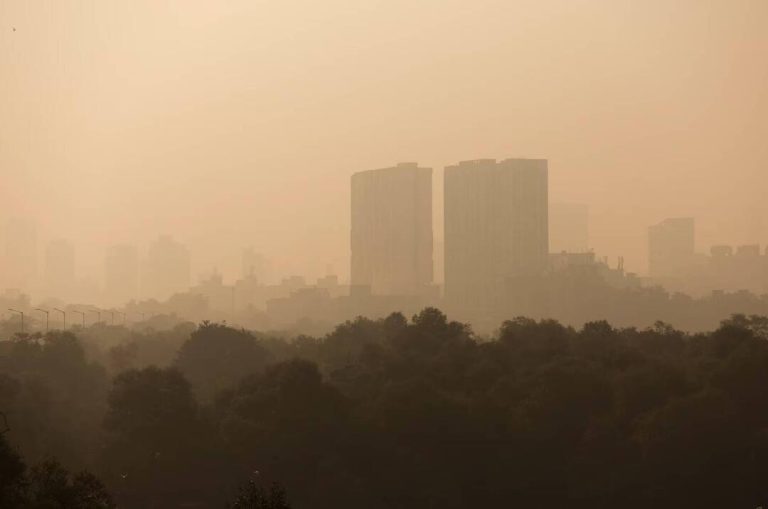
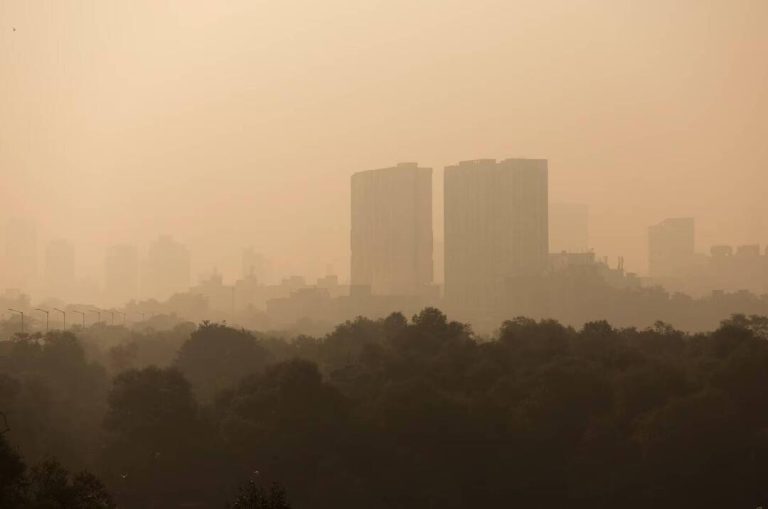
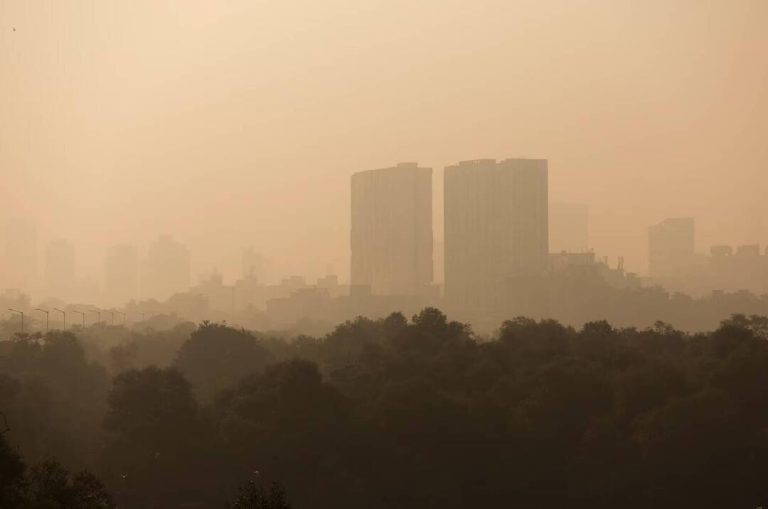
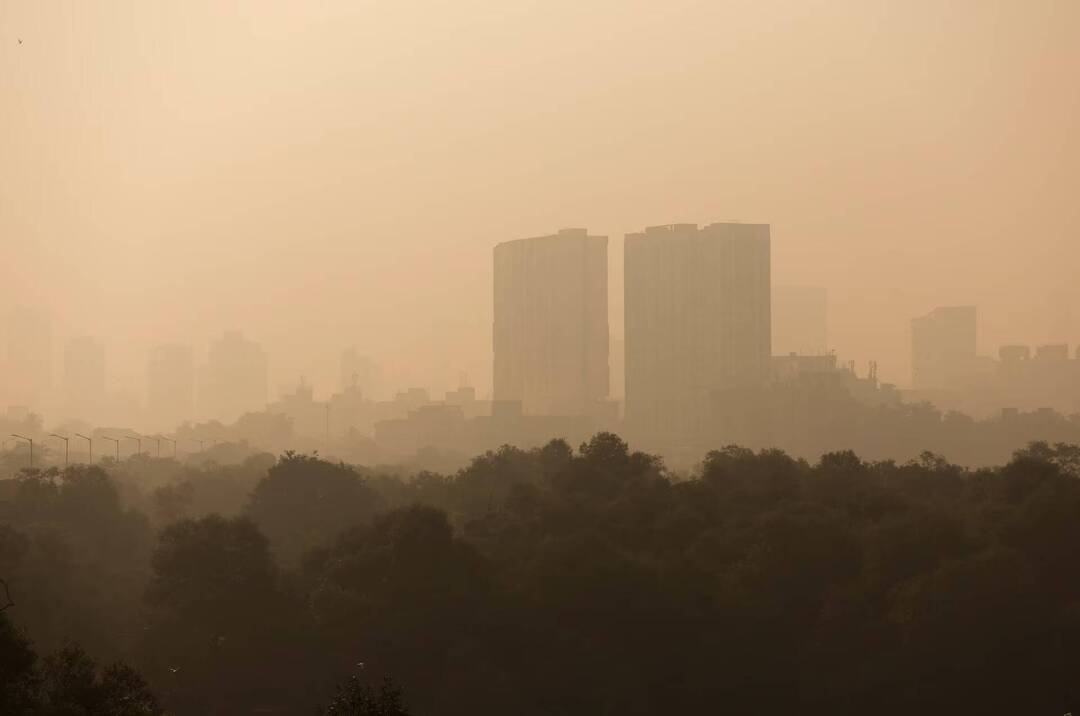
The findings of this study have significant implications for human health, particularly in urban areas where air pollution is a major concern. The World Health Organization (WHO) estimates that nine out of ten people worldwide breathe polluted air, resulting in seven million premature deaths annually. While the study was conducted in mice, the results are likely to be relevant to humans, given the conserved nature of the gut microbiome and the similar mechanisms underlying air pollution-induced disease.
Mitigating the Effects of Air Pollution on Gut Health
So, what can we do to mitigate the effects of air pollution on gut health? While reducing air pollution at the source is the most effective strategy, there are several individual-level interventions that can help minimize the negative impacts on gut health. These include:
- Using air purifiers: High-efficiency particulate air (HEPA) filters can remove ultrafine particles from the air, reducing exposure to pollutants.
- Maintaining a healthy diet: A balanced diet rich in fruits, vegetables, and whole grains can help support the growth of beneficial microorganisms in the gut.
- Staying hydrated: Adequate hydration is essential for maintaining a healthy gut microbiome and preventing constipation.
- Exercising regularly: Physical activity can help reduce stress and promote the growth of beneficial microorganisms in the gut.
- Managing stress: Chronic stress can disrupt the balance of the gut microbiome, so engaging in stress-reducing activities like meditation or yoga can be beneficial.
Conclusion
The UCLA Health study provides compelling evidence that breathing polluted air can have far-reaching consequences for gut health, liver stress, and cardiovascular disease. While the study’s findings are alarming, they also highlight the importance of adopting individual-level interventions to mitigate the effects of air pollution on gut health. By reducing our exposure to air pollutants, maintaining a healthy diet and lifestyle, and managing stress, we can help protect our gut health and reduce the risk of cardiovascular disease.
About the Author