Polluted Air Hurts Gut Health, Triggers Liver Stress: Study
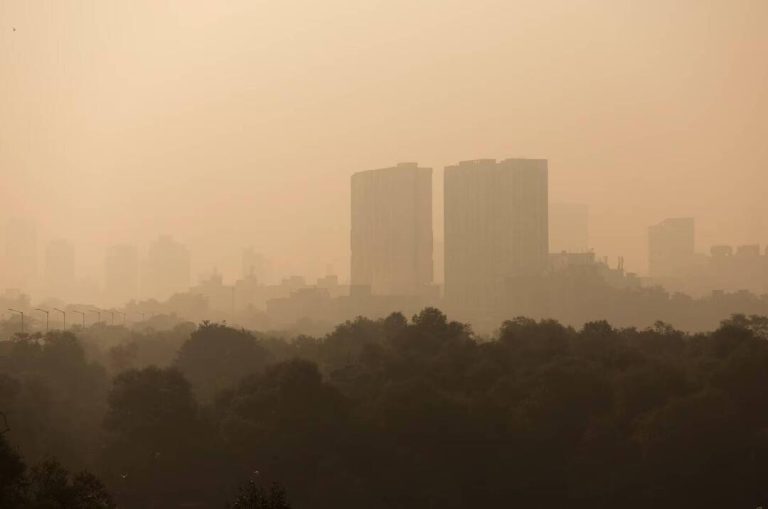
The detrimental effects of air pollution on human health have been well-documented, with links to respiratory problems, cardiovascular disease, and even cognitive impairment. However, a recent study by UCLA Health has shed new light on the far-reaching consequences of breathing polluted air, revealing that it can disrupt gut health, trigger liver stress, and increase the risk of heart disease.
The research, which exposed mice to ultrafine air particles over a 10-week period, found major shifts in their gut microbiome. These changes were strongly linked to greater atherosclerotic plaque buildup in major arteries, a key indicator of cardiovascular disease. The study’s findings have significant implications for our understanding of the complex relationships between air pollution, gut health, and overall well-being.
To conduct the study, scientists used a controlled environment to expose mice to ultrafine air particles, which are commonly found in urban areas due to vehicle emissions and other human activities. The mice were divided into two groups: one that breathed clean air and another that was exposed to polluted air. Over the 10-week period, the researchers monitored the mice’s gut microbiome, liver function, and cardiovascular health.
The results were striking. The mice that breathed polluted air experienced significant changes in their gut microbiome, with some species of bacteria increasing in abundance while others decreased. This disruption of the gut microbiome was associated with increased inflammation in the liver and the development of atherosclerotic plaques in the arteries.
The study’s lead author noted that the findings suggest a previously unknown mechanism by which air pollution can contribute to cardiovascular disease. “We’ve known for some time that air pollution can damage the cardiovascular system, but this study shows that it can also affect the gut microbiome, which is closely linked to our overall health,” the author said.
The gut microbiome plays a crucial role in maintaining our overall health, influencing everything from digestion and immune function to mood and cognitive function. An imbalance of the gut microbiome, also known as dysbiosis, has been linked to a range of diseases, including inflammatory bowel disease, obesity, and even mental health disorders.
The study’s findings also highlight the importance of liver health in the context of air pollution. The liver is responsible for detoxifying harmful substances, including pollutants, and plays a critical role in maintaining the body’s overall health. The researchers found that the mice that breathed polluted air experienced increased liver stress, which was associated with the development of atherosclerotic plaques.
The implications of the study are significant, particularly in urban areas where air pollution is a major concern. The researchers suggest that reducing exposure to air pollution, through measures such as using air purifiers or wearing masks, could help to mitigate the negative effects on gut health and cardiovascular disease.
In addition, the study highlights the importance of maintaining a healthy gut microbiome through dietary and lifestyle changes. A diet rich in fruits, vegetables, and whole grains can help to support the growth of beneficial bacteria in the gut, while avoiding processed and high-sugar foods can help to reduce inflammation and promote overall health.
In conclusion, the UCLA Health study provides new insights into the complex relationships between air pollution, gut health, and cardiovascular disease. The findings suggest that breathing polluted air can have far-reaching consequences for our health, from disrupting the gut microbiome to triggering liver stress and increasing the risk of heart disease. As we continue to navigate the challenges of urbanization and environmental pollution, it is essential that we prioritize our health and take steps to reduce our exposure to harmful pollutants.
About the Author