Polluted Air Hurts Gut Health, Triggers Liver Stress: Study
The dangers of air pollution are well-documented, with numerous studies highlighting its negative impact on our respiratory and cardiovascular health. However, a recent study conducted by UCLA Health has shed new light on the far-reaching consequences of breathing polluted air, revealing that it can also disrupt gut health and trigger liver stress. This groundbreaking research has significant implications for our understanding of the complex relationships between air pollution, gut health, and overall well-being.
The study, which exposed mice to ultrafine air particles over a 10-week period, found that prolonged exposure to polluted air led to major shifts in the gut microbiome. The gut microbiome, comprising trillions of microorganisms that reside in the gut, plays a crucial role in maintaining our overall health, influencing everything from digestion and immune function to mental health and cognitive function. When the balance of the gut microbiome is disrupted, it can have a ripple effect throughout the body, contributing to a range of health problems.
The UCLA Health study found that the changes in the gut microbiome caused by exposure to polluted air were strongly linked to greater atherosclerotic plaque buildup in major arteries. Atherosclerosis, a condition characterized by the accumulation of fatty deposits in the arteries, is a major risk factor for heart disease, which is one of the leading causes of death worldwide. The study’s findings suggest that breathing polluted air may increase the risk of heart disease by disrupting the balance of the gut microbiome and triggering liver stress.
The exact mechanisms by which air pollution affects the gut microbiome are not yet fully understood, but researchers believe that it may involve the activation of inflammatory pathways and the release of toxic chemicals into the bloodstream. These chemicals can then travel to the liver, where they can cause oxidative stress and inflammation, leading to liver damage and dysfunction.
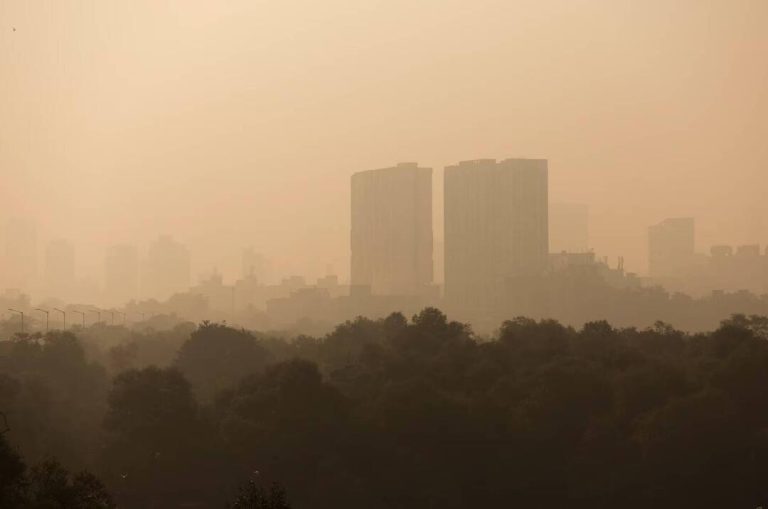
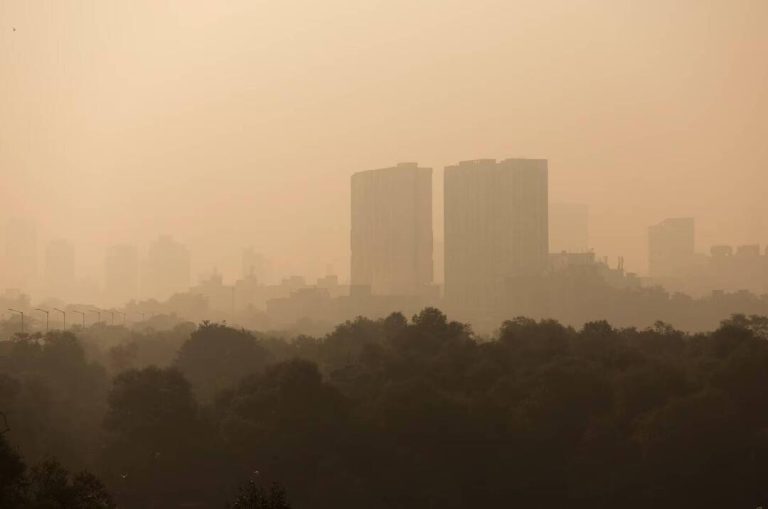
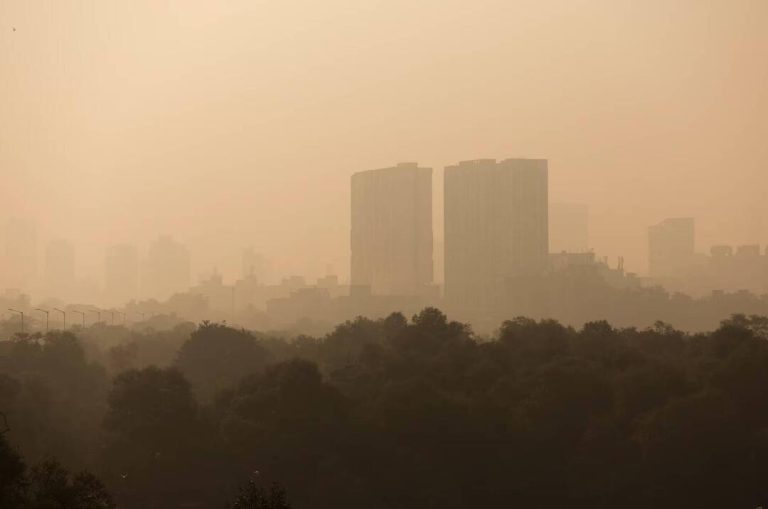
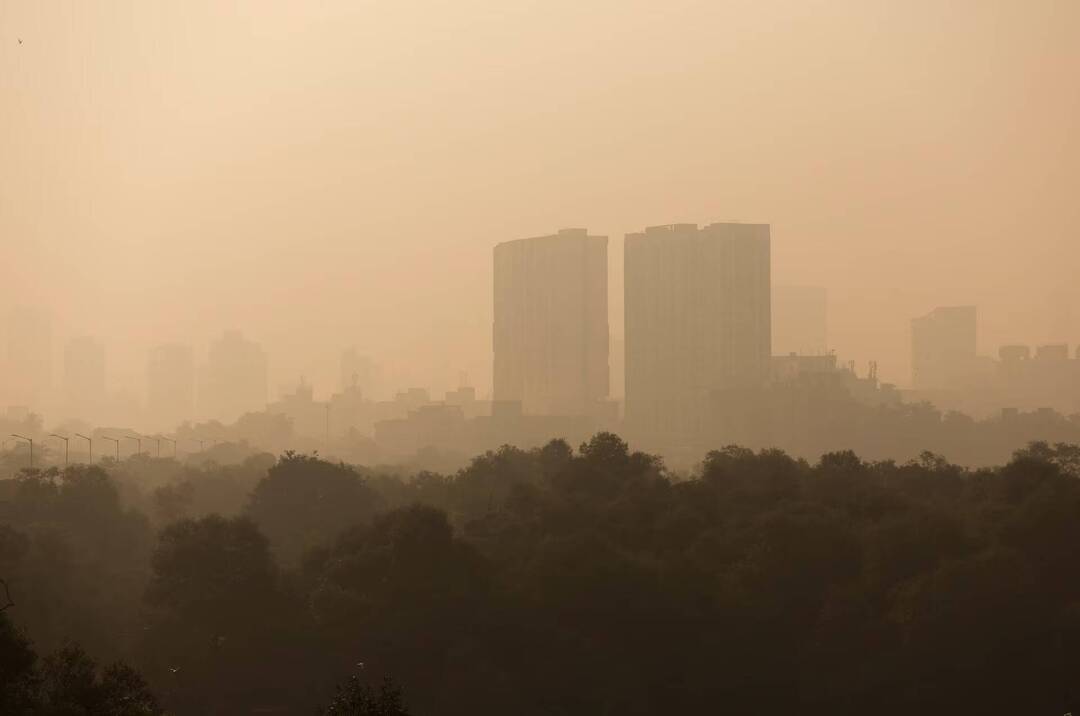
The study’s findings have significant implications for public health, particularly in urban areas where air pollution is often a major concern. According to the World Health Organization (WHO), nine out of ten people worldwide breathe polluted air, resulting in an estimated seven million premature deaths each year. While the WHO has established guidelines for air quality, many cities and countries still struggle to meet these standards, leaving millions of people at risk of air pollution-related health problems.
So, what can we do to protect ourselves from the negative effects of air pollution on our gut health and overall well-being? Here are a few strategies that may help:
- Use air purifiers: Installing air purifiers in our homes and workplaces can help remove pollutants and particulate matter from the air, reducing our exposure to toxic chemicals.
- Wear masks: Wearing masks when outdoors, particularly in areas with high levels of air pollution, can help filter out pollutants and reduce our exposure.
- Stay indoors: When air pollution levels are high, staying indoors and avoiding strenuous outdoor activities can help minimize our exposure.
- Eat a balanced diet: Eating a balanced diet rich in fruits, vegetables, and whole grains can help support the health of our gut microbiome and reduce our risk of chronic diseases.
- Stay hydrated: Drinking plenty of water can help flush out toxins and support the health of our liver and other organs.
In conclusion, the UCLA Health study highlights the complex and far-reaching consequences of breathing polluted air, including its negative impact on gut health and liver function. By taking steps to reduce our exposure to air pollution and supporting the health of our gut microbiome, we can help mitigate the risks associated with air pollution and promote overall well-being.
About the Author