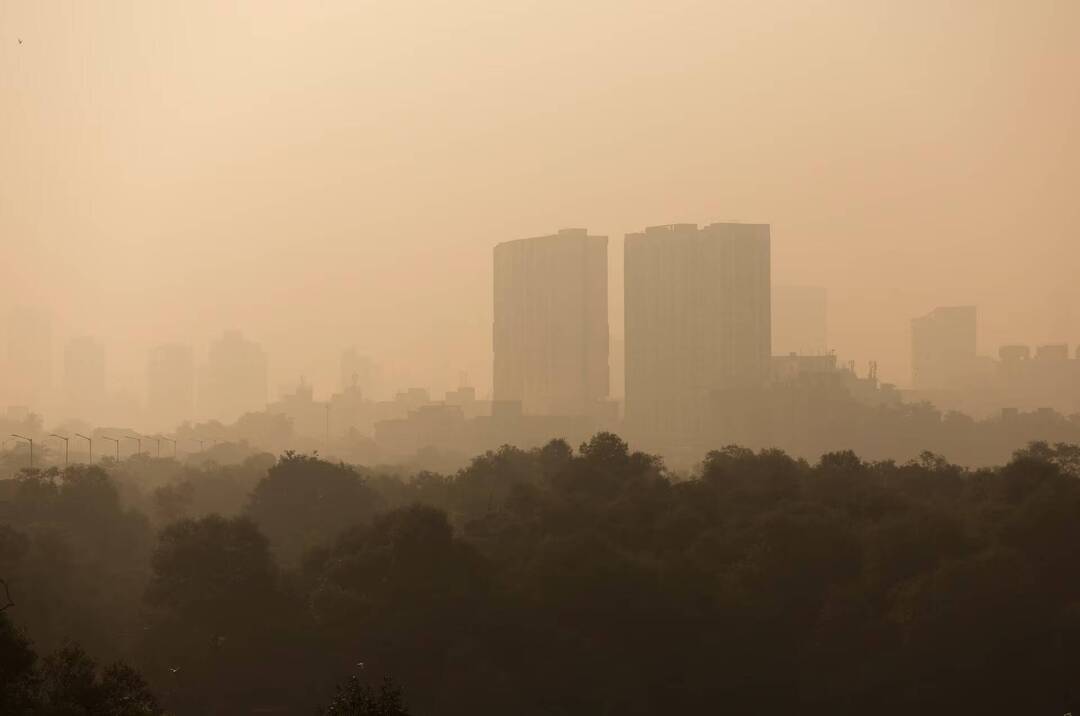
Polluted air hurts gut health, triggers liver stress: Study
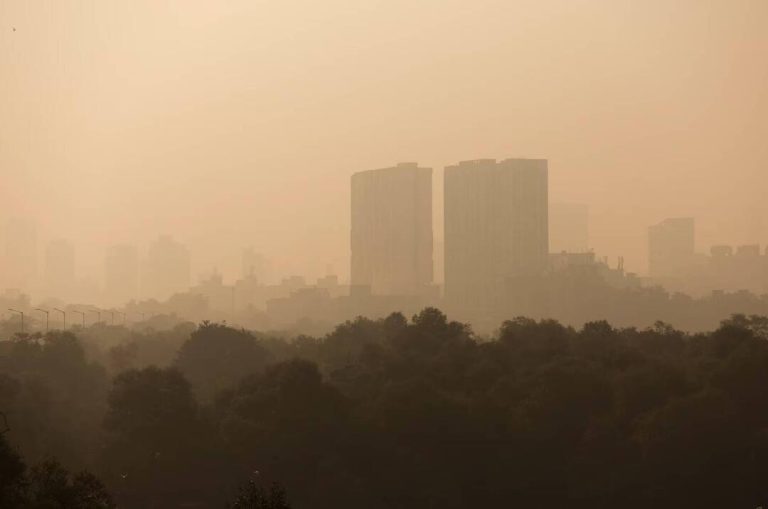
The detrimental effects of air pollution on human health have been well-documented, with a significant body of research highlighting its role in exacerbating respiratory and cardiovascular diseases. However, a recent study conducted by UCLA Health has shed new light on the far-reaching consequences of breathing polluted air, revealing that it can also disrupt gut health and trigger liver stress, ultimately increasing the risk of heart disease.
The research, which exposed mice to ultrafine air particles over a 10-week period, noted major shifts in their gut microbiome, and these changes were strongly linked to greater atherosclerotic plaque buildup in major arteries. This groundbreaking finding suggests that the impact of air pollution on human health is even more pervasive than previously thought, with the potential to affect not just the lungs and heart, but also the gut and liver.
To understand the implications of this study, it’s essential to delve into the complex relationships between air pollution, gut health, and liver function. The gut microbiome, comprising trillions of microorganisms that reside in the gastrointestinal tract, plays a vital role in maintaining overall health, influencing everything from digestion and immune function to mood and cognitive function. When the gut microbiome is disrupted, either through environmental factors, diet, or lifestyle, it can lead to a cascade of negative effects, including inflammation, oxidative stress, and impaired nutrient absorption.
The liver, often referred to as the body’s “detoxifier,” is also intimately connected to the gut, with the two organs communicating through a complex network of biochemical signals. The liver’s primary function is to filter toxins from the blood, metabolize nutrients, and regulate energy production. However, when the liver is subjected to stress, whether through environmental pollutants, poor diet, or other factors, it can become impaired, leading to a range of health problems, including fatty liver disease, cirrhosis, and even cancer.
The UCLA Health study’s findings, which linked exposure to ultrafine air particles to changes in the gut microbiome and increased atherosclerotic plaque buildup, suggest that air pollution may be a significant contributor to liver stress and gut dysfunction. The researchers’ use of ultrafine air particles, which are particularly hazardous due to their ability to penetrate deep into the lungs and bloodstream, highlights the importance of addressing this critical aspect of air pollution.
So, what can be done to mitigate the effects of air pollution on gut health and liver function? While the study’s findings are certainly alarming, there are several steps individuals can take to reduce their exposure to polluted air and promote overall health. These include:
- Using air purifiers: Installing air purifiers in the home, particularly in areas where people spend most of their time, can help remove pollutants and particulate matter from the air.
- Wearing masks: Wearing masks when outdoors, especially in areas with high levels of air pollution, can help filter out pollutants and reduce exposure.
- Avoiding heavily polluted areas: Avoiding areas with high levels of air pollution, such as near major roads or industrial sites, can help minimize exposure.
- Maintaining a healthy diet: Eating a balanced diet rich in fruits, vegetables, and whole grains can help support gut health and provide essential nutrients for liver function.
- Staying hydrated: Drinking plenty of water can help flush out toxins and support overall health.
In conclusion, the UCLA Health study’s findings underscore the critical need to address air pollution as a major public health concern. By recognizing the complex relationships between air pollution, gut health, and liver function, we can take steps to mitigate the effects of polluted air and promote overall health. As we continue to navigate the challenges of a rapidly changing environment, it’s essential to prioritize research and initiatives that address the far-reaching consequences of air pollution, ensuring a healthier future for generations to come.
About the Author