Polluted air hurts gut health, triggers liver stress: Study
The detrimental effects of air pollution on human health have been well-documented, with links to respiratory problems, cardiovascular disease, and even neurological disorders. However, a recent study conducted by UCLA Health has shed new light on the far-reaching consequences of breathing polluted air, revealing that it can also disrupt gut health and trigger liver stress. The research, which exposed mice to ultrafine air particles over a 10-week period, found significant shifts in their gut microbiome, which were strongly linked to an increased risk of heart disease.
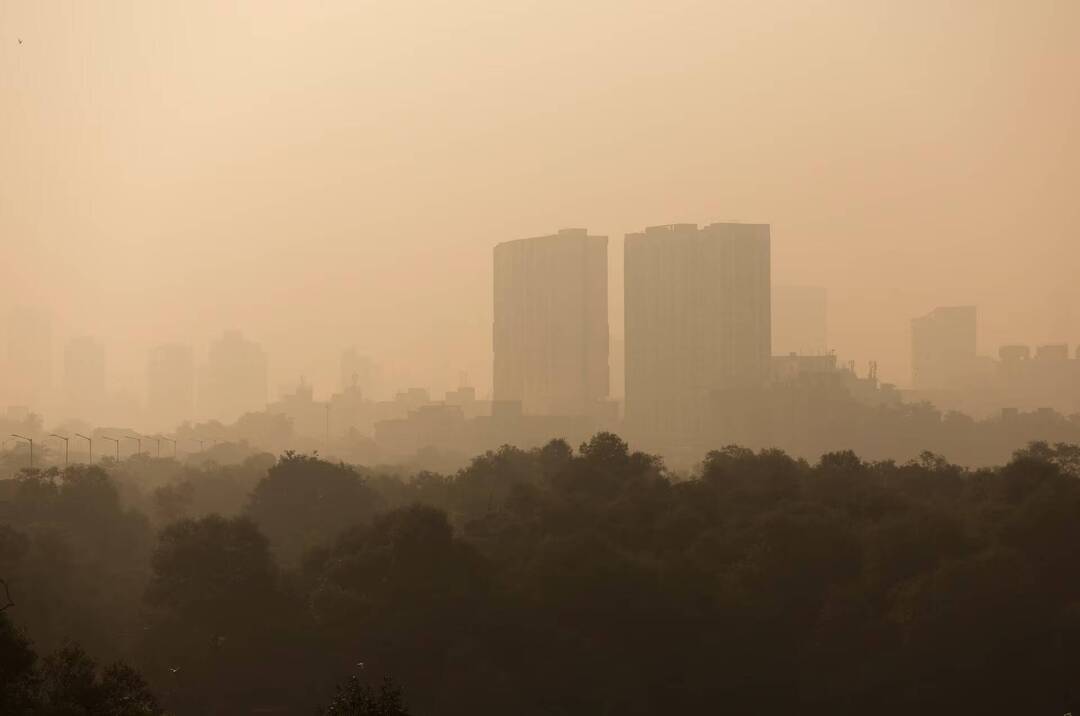
The study’s findings are particularly concerning, given the widespread nature of air pollution. According to the World Health Organization (WHO), nine out of ten people worldwide breathe polluted air, resulting in an estimated seven million premature deaths annually. While the lungs and heart have long been recognized as primary targets of air pollution, the new research suggests that the gut and liver may also be vulnerable to the toxic effects of poor air quality.
To investigate the impact of air pollution on gut health, the UCLA Health researchers used a novel approach, exposing mice to ultrafine air particles, which are smaller than 0.1 micrometers in diameter. These tiny particles are capable of penetrating deep into the lungs and, as the study showed, can also affect the gut microbiome. The mice were divided into two groups: one that breathed clean air and another that was exposed to polluted air over a period of 10 weeks.
The results were striking. The mice that breathed polluted air experienced significant changes in their gut microbiome, with some species of bacteria increasing in number, while others decreased. These changes were not limited to the gut, however, as the researchers also observed increased levels of stress in the liver, including the release of pro-inflammatory chemicals. Furthermore, the study found that the alterations in the gut microbiome were strongly linked to the development of atherosclerotic plaques in the major arteries, a hallmark of heart disease.
The mechanisms underlying the connection between air pollution, gut health, and liver stress are complex and multifaceted. One possible explanation is that the ultrafine air particles can cause oxidative stress and inflammation in the body, which can disrupt the balance of the gut microbiome. This, in turn, can lead to changes in the way the body metabolizes nutrients and responds to stress, ultimately increasing the risk of heart disease.
The study’s findings have significant implications for public health, particularly in urban areas where air pollution is often at its worst. The researchers emphasize that reducing exposure to air pollution is crucial, not only to protect the lungs and heart but also to safeguard the gut and liver. This can be achieved through a combination of individual actions, such as wearing masks and avoiding heavily polluted areas, as well as broader policy initiatives, such as implementing stricter emissions controls and promoting the use of clean energy.
In addition to highlighting the importance of reducing air pollution, the study also underscores the need for further research into the complex relationships between air pollution, gut health, and liver stress. By elucidating the mechanisms underlying these connections, scientists may be able to develop new therapeutic strategies for mitigating the effects of air pollution on human health.
In conclusion, the UCLA Health study provides compelling evidence that breathing polluted air can have far-reaching consequences for human health, extending beyond the lungs and heart to the gut and liver. As the world continues to grapple with the challenges of air pollution, it is essential that we prioritize research into the effects of poor air quality on human health and work towards developing effective solutions for reducing exposure to air pollution.
About the Author