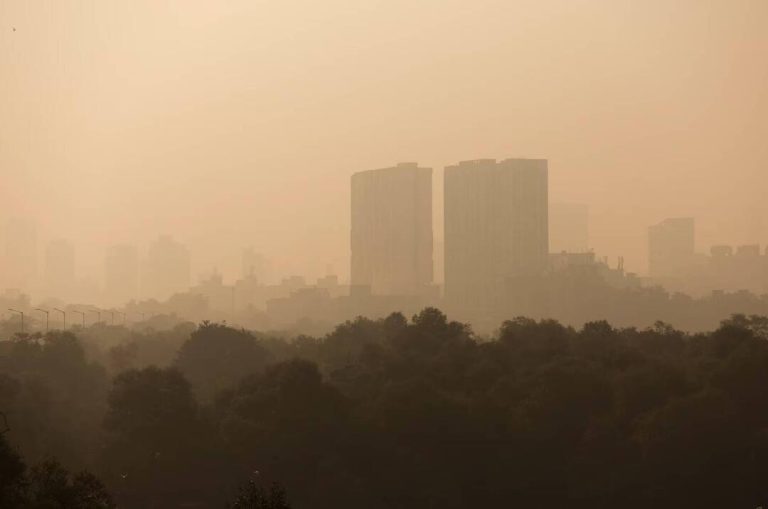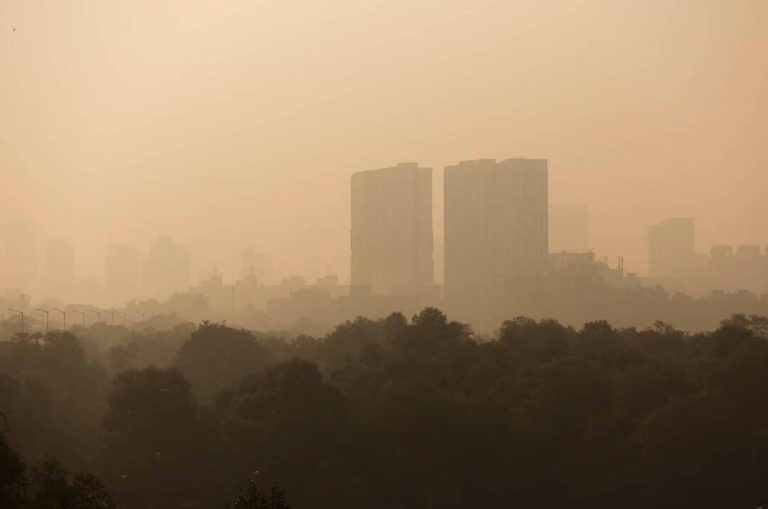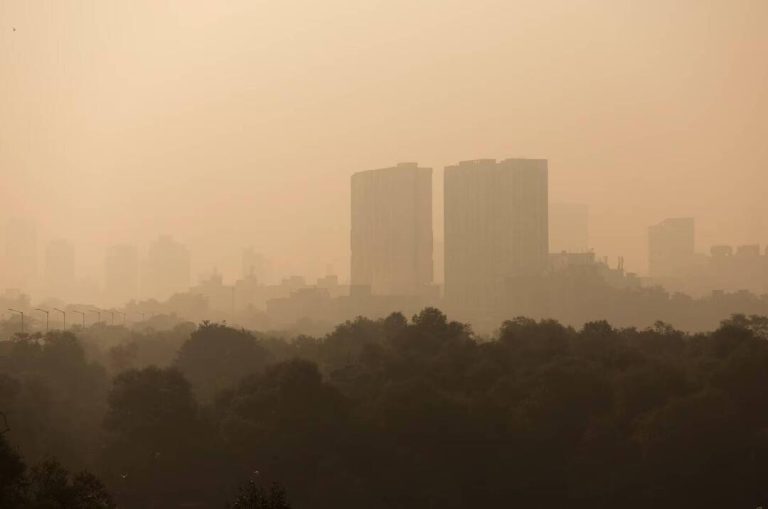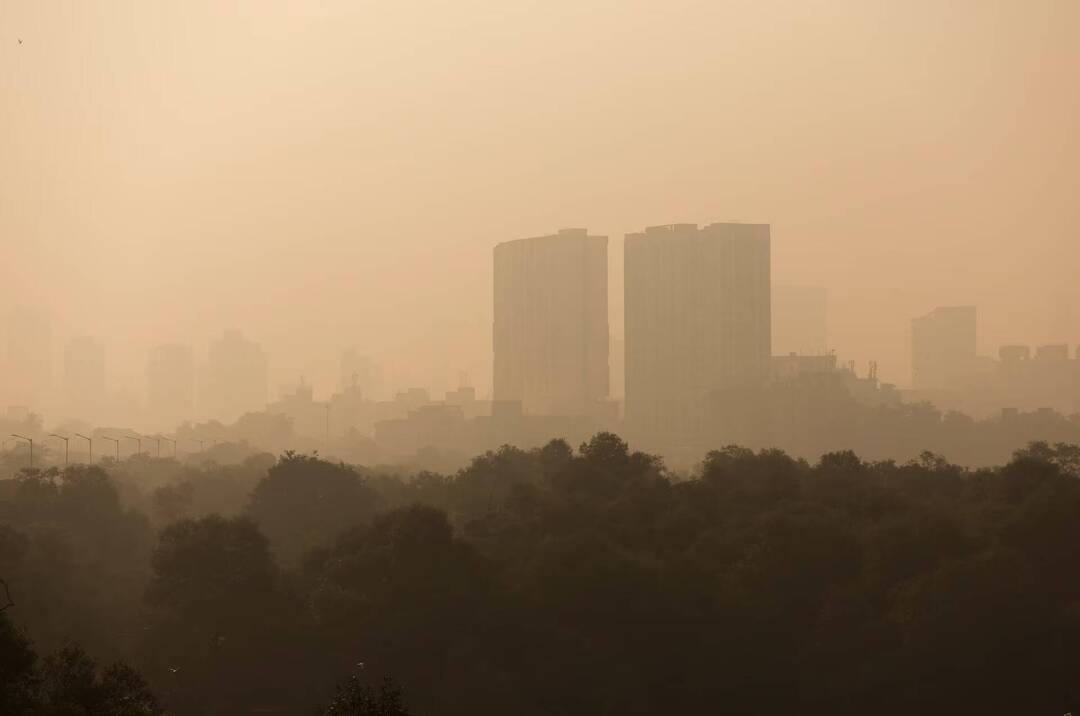
Polluted air hurts gut health, triggers liver stress: Study
Breathing polluted air is a well-known risk factor for respiratory and cardiovascular diseases. However, a recent study by UCLA Health has shed light on a lesser-known consequence of air pollution: its impact on gut health and liver function. The research, which exposed mice to ultrafine air particles over a 10-week period, found that polluted air can disrupt the balance of gut bacteria, trigger liver stress, and increase the risk of heart disease.
The study’s findings are significant, as they suggest that the effects of air pollution on human health are far more extensive than previously thought. While the lungs and heart have long been recognized as vulnerable to the harmful effects of air pollution, the gut and liver have traditionally been overlooked as potential targets. However, the UCLA Health study provides compelling evidence that these organs are, in fact, susceptible to the damaging effects of polluted air.
To conduct the study, researchers exposed mice to ultrafine air particles, which are tiny particles that are less than 0.1 micrometers in diameter. These particles are small enough to penetrate deep into the lungs and even enter the bloodstream, where they can cause widespread damage. The mice were exposed to the particles for 10 weeks, after which their gut microbiome and liver function were assessed.
The results were striking. The researchers noted major shifts in the gut microbiome of the mice, with certain species of bacteria becoming more dominant while others declined. These changes were strongly linked to greater atherosclerotic plaque buildup in major arteries, which is a hallmark of heart disease. The study also found that the mice exhibited signs of liver stress, including increased levels of liver enzymes and inflammation.
The implications of these findings are profound. If polluted air can disrupt the balance of gut bacteria and trigger liver stress, it may contribute to a wide range of health problems, from digestive disorders to cardiovascular disease. The gut microbiome plays a critical role in maintaining overall health, influencing everything from immune function to metabolism. When the balance of gut bacteria is disrupted, it can lead to a range of problems, including irritable bowel syndrome, inflammatory bowel disease, and even mental health disorders.
The study’s findings also highlight the importance of reducing exposure to air pollution. While it is not always possible to avoid polluted air entirely, there are steps that individuals can take to minimize their exposure. These include wearing masks when outdoors, using air purifiers in the home, and avoiding heavily trafficked areas. Governments and policymakers can also play a critical role in reducing air pollution by implementing policies to reduce emissions from vehicles and industrial sources.
In addition to its implications for human health, the study’s findings also have significant implications for our understanding of the mechanisms by which air pollution causes disease. While it has long been recognized that air pollution can cause inflammation and oxidative stress, the study’s findings suggest that these effects may be mediated, at least in part, by changes in the gut microbiome. This suggests that targeting the gut microbiome may be a promising strategy for reducing the health impacts of air pollution.
In conclusion, the UCLA Health study provides compelling evidence that polluted air can have far-reaching consequences for human health, including disrupting gut health and triggering liver stress. These findings highlight the importance of reducing exposure to air pollution and suggest that targeting the gut microbiome may be a promising strategy for mitigating the health impacts of air pollution. As the world continues to grapple with the challenges of air pollution, studies like this one provide critical insights into the complex relationships between air pollution, human health, and the environment.
About the Author