Polluted Air Hurts Gut Health, Triggers Liver Stress: Study
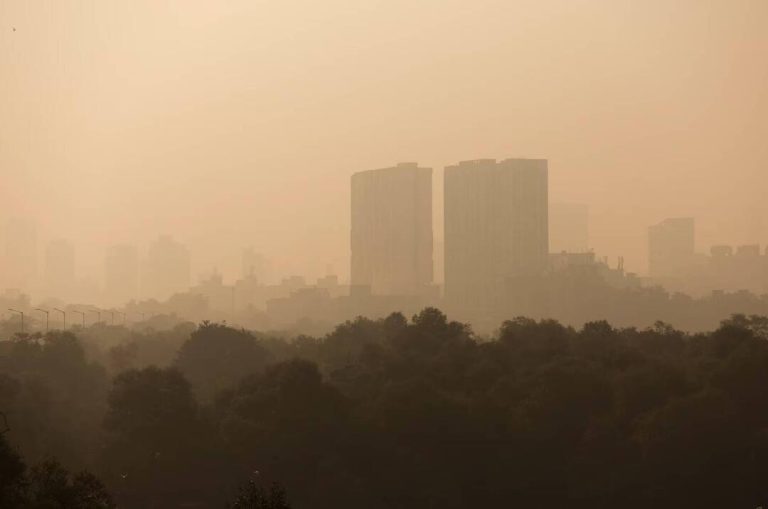
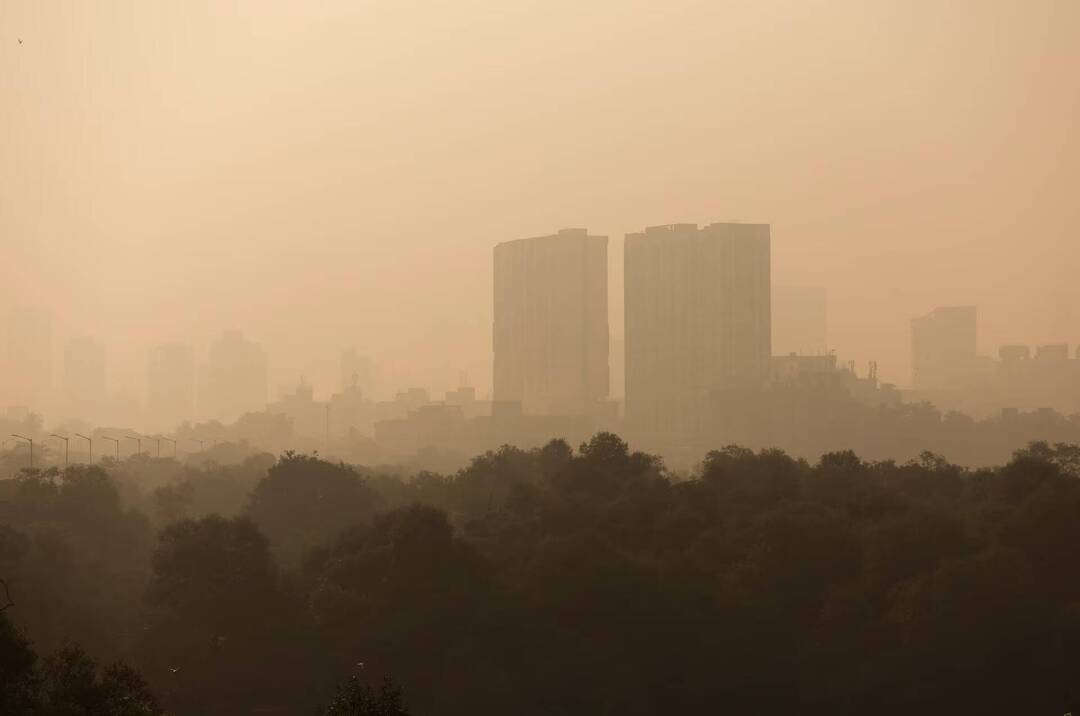
The detrimental effects of air pollution on human health have been well-documented, with links to respiratory problems, cardiovascular disease, and even cognitive impairment. However, a recent study conducted by UCLA Health has shed new light on the far-reaching consequences of breathing polluted air, revealing that it can disrupt gut health, trigger liver stress, and increase the risk of heart disease.
The research, which exposed mice to ultrafine air particles over a 10-week period, found significant shifts in their gut microbiome, with these changes strongly linked to greater atherosclerotic plaque buildup in major arteries. This groundbreaking study highlights the complex relationships between air pollution, gut health, and cardiovascular disease, underscoring the need for a more comprehensive approach to mitigating the effects of air pollution on human health.
The Gut-Air Pollution Connection
The gut microbiome, comprising trillions of microorganisms that reside in the gastrointestinal tract, plays a crucial role in maintaining overall health. It influences digestion, immune function, and even brain health, with an imbalance of the gut microbiome, also known as dysbiosis, linked to various diseases, including inflammatory bowel disease, obesity, and mental health disorders.
The UCLA Health study found that exposure to ultrafine air particles, which are commonly emitted by vehicles and industrial processes, can significantly alter the composition of the gut microbiome. Specifically, the researchers noted a decrease in beneficial bacteria, such as Bifidobacterium and Lactobacillus, and an increase in pathogenic bacteria, such as Escherichia and Streptococcus. These changes can lead to a range of negative consequences, including impaired nutrient absorption, increased inflammation, and a heightened risk of infections.
Liver Stress and Cardiovascular Disease
In addition to disrupting gut health, the study found that exposure to polluted air can also trigger liver stress, which can contribute to the development of cardiovascular disease. The liver plays a critical role in regulating metabolism, detoxifying harmful substances, and producing bile to aid in digestion. However, when the liver is subjected to stress, it can become less efficient, leading to a buildup of toxins and an increased risk of cardiovascular disease.
The researchers found that the mice exposed to ultrafine air particles exhibited increased liver stress, characterized by elevated levels of liver enzymes and inflammation. This liver stress was strongly linked to the development of atherosclerotic plaques, which are a hallmark of cardiovascular disease. The buildup of these plaques can lead to the narrowing of arteries, reducing blood flow to vital organs and increasing the risk of heart attacks and strokes.
Implications for Human Health
While the study was conducted in mice, the findings have significant implications for human health. The researchers note that the effects of air pollution on gut health and liver stress are likely to be similar in humans, highlighting the need for individuals to take steps to minimize their exposure to polluted air.
This can be achieved through a range of strategies, including using air purifiers, avoiding heavily trafficked areas, and supporting policies to reduce air pollution. Additionally, maintaining a healthy lifestyle, including a balanced diet, regular exercise, and stress management, can help to mitigate the negative effects of air pollution on gut health and cardiovascular disease.
Conclusion
The UCLA Health study provides compelling evidence of the far-reaching consequences of air pollution on human health, highlighting the complex relationships between air pollution, gut health, and cardiovascular disease. The findings underscore the need for a more comprehensive approach to mitigating the effects of air pollution, including reducing emissions, promoting healthy lifestyles, and supporting research into the mechanisms underlying the health effects of air pollution.
As we continue to navigate the challenges of air pollution, it is essential that we prioritize strategies to minimize exposure and promote overall health. By working together to reduce air pollution and support healthy lifestyles, we can reduce the risk of cardiovascular disease, promote gut health, and create a healthier environment for all.
About the Author