Polluted Air Hurts Gut Health, Triggers Liver Stress: Study
The detrimental effects of air pollution on human health have been well-documented, with links to respiratory problems, cardiovascular disease, and even neurological disorders. However, a recent study by UCLA Health has shed light on a previously underappreciated aspect of air pollution’s impact: its effects on gut health and liver function. The research, which exposed mice to ultrafine air particles over a 10-week period, found significant disruptions to the gut microbiome, as well as increased liver stress and a heightened risk of heart disease.
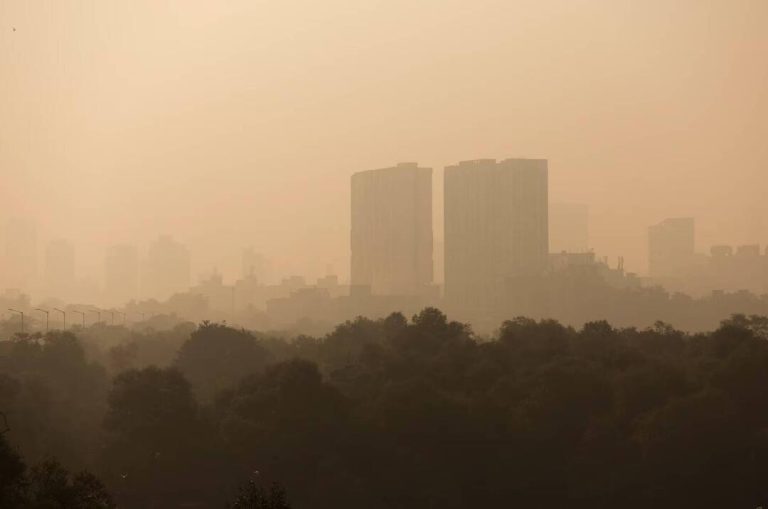
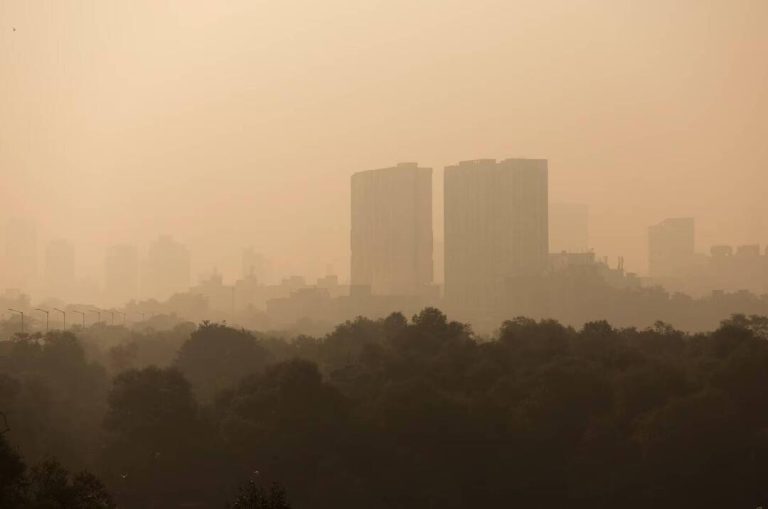
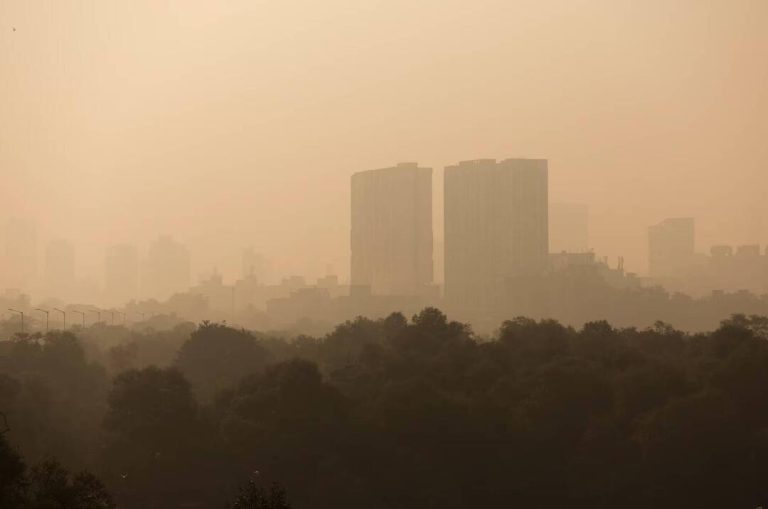
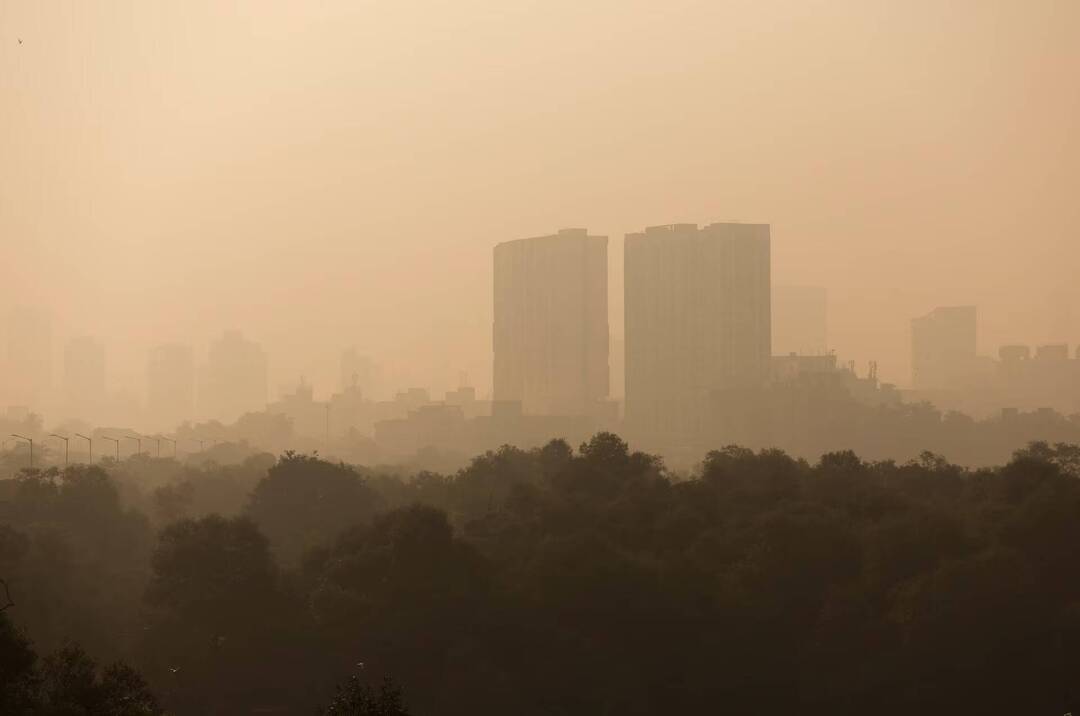
The study’s findings are particularly alarming, given the ubiquitous nature of air pollution in modern life. From the exhaust fumes of vehicles to the emissions of industrial plants, air pollutants are an unfortunate reality of our daily environments. While we may be aware of the visible effects of air pollution, such as haze and smog, the invisible particles that we breathe in can have a profound impact on our internal health.
To conduct the study, researchers exposed mice to ultrafine air particles, which are smaller than 0.1 micrometers in diameter. These tiny particles are capable of penetrating deep into the lungs and even entering the bloodstream, where they can cause inflammation and oxidative stress. Over the 10-week period, the mice were monitored for changes in their gut microbiome, liver function, and cardiovascular health.
The results were striking. The mice exposed to ultrafine air particles exhibited major shifts in their gut microbiome, with significant changes in the composition and diversity of their gut bacteria. This disruption to the gut microbiome was strongly linked to increased atherosclerotic plaque buildup in the major arteries, a key indicator of cardiovascular disease. Furthermore, the mice also showed signs of liver stress, including increased levels of liver enzymes and inflammation.
The study’s findings have significant implications for human health, particularly in urban areas where air pollution is often at its worst. The researchers suggest that the gut microbiome may play a critical role in mediating the effects of air pollution on cardiovascular health, and that disruptions to the gut microbiome may contribute to the development of heart disease.
So, how can we protect ourselves from the negative effects of air pollution on our gut health and liver function? While the study’s findings are certainly alarming, there are steps that we can take to mitigate the impact of air pollution on our health. For one, we can take measures to reduce our exposure to air pollutants, such as avoiding heavily trafficked areas and using air purifiers in our homes. We can also adopt a healthy diet rich in fruits, vegetables, and whole grains, which can help to support the health of our gut microbiome.
Additionally, there are several nutrients and supplements that may help to protect against the negative effects of air pollution on our health. For example, omega-3 fatty acids, which are found in fatty fish and flaxseeds, have anti-inflammatory properties that may help to reduce inflammation in the body. Probiotics, which are live bacteria and yeasts that are similar to the beneficial microorganisms found in our gut, may also help to support the health of our gut microbiome.
In conclusion, the UCLA Health study highlights the often-overlooked impact of air pollution on our gut health and liver function. While the findings are certainly troubling, they also underscore the importance of taking proactive steps to protect our health in the face of environmental pollution. By adopting a healthy lifestyle, reducing our exposure to air pollutants, and supporting the health of our gut microbiome, we can help to mitigate the negative effects of air pollution and promote overall well-being.
About the Author