Pits, Pores, and more: The science behind India’s newest mushrooms
The world of fungi is vast and fascinating, with new species being discovered regularly. In a recent breakthrough, researchers at St. Xavier’s College, Jharkhand, have identified a new species of mushroom that is making waves in the scientific community. The newly discovered species, named Hemileccinum indicum, has been found to possess unique characteristics that set it apart from other known species of mushrooms. In this blog post, we will delve into the science behind this new discovery and explore the fascinating world of fungi.
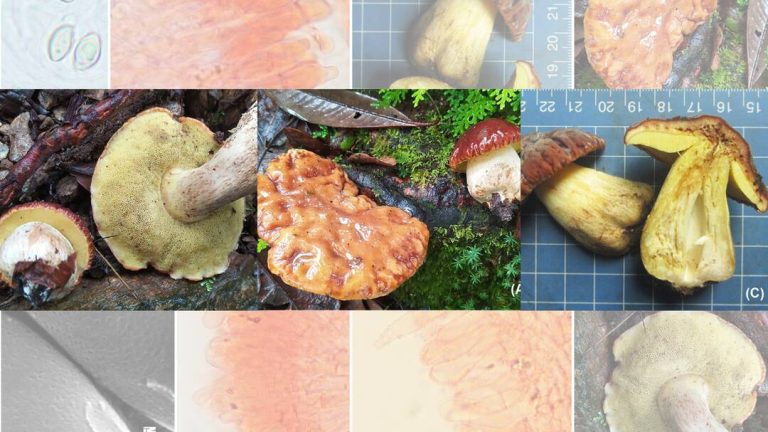
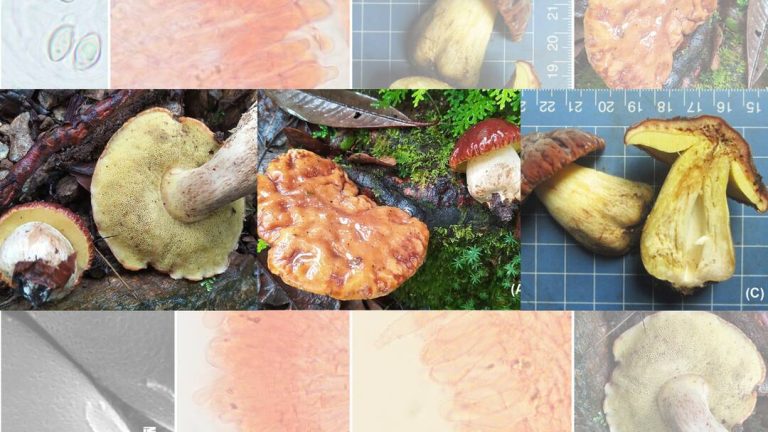
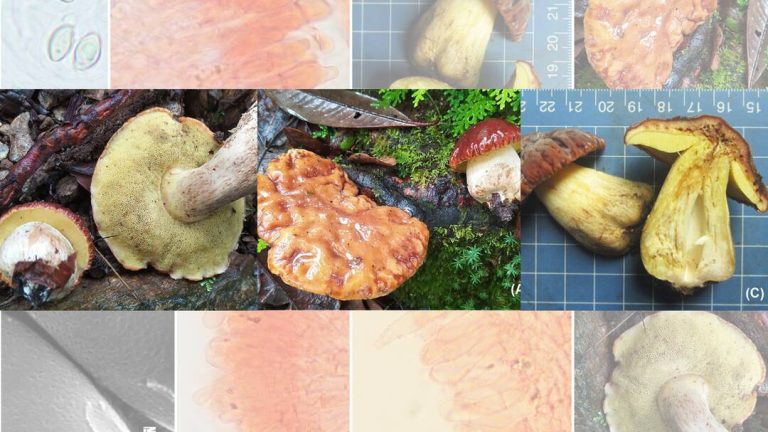
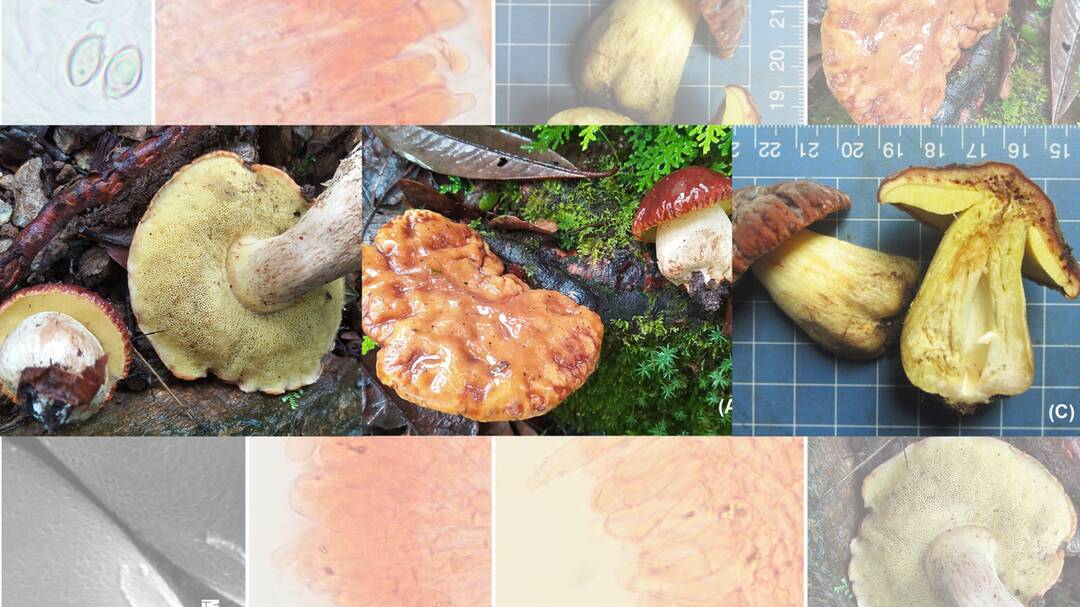
The discovery of Hemileccinum indicum was made at an altitude of 2,600 meters, in the Oak forests of Uttarakhand. This is significant, as it is the first time that this genus has been recorded in India. The research team, led by scientists at St. Xavier’s College, used advanced techniques such as DNA sequencing and electron microscopy to identify the unique features of this new species.
One of the most distinctive features of Hemileccinum indicum is its “pitted” spores. Spores are the reproductive units of fungi, and they play a crucial role in the life cycle of these organisms. The pitted spores of Hemileccinum indicum are characterized by the presence of small depressions or pits on their surface. This unique feature is not seen in other species of mushrooms, and it has sparked interest among scientists who are eager to learn more about this new species.
The use of DNA sequencing and electron microscopy was instrumental in identifying the unique characteristics of Hemileccinum indicum. DNA sequencing involves the analysis of the genetic material of an organism, and it provides valuable information about its evolutionary history and relationships with other species. Electron microscopy, on the other hand, involves the use of a high-powered microscope to visualize the fine details of an organism’s structure.
By combining these two techniques, the research team was able to gather detailed information about the morphology and genetics of Hemileccinum indicum. The results of their study have been published in a scientific journal, and they provide a fascinating glimpse into the world of fungi.
The discovery of Hemileccinum indicum is not only significant from a scientific perspective, but it also highlights the importance of exploring and conserving the natural world. The Oak forests of Uttarakhand, where this new species was found, are home to a diverse range of flora and fauna. The preservation of these ecosystems is essential for maintaining the health of our planet, and it requires the efforts of scientists, conservationists, and policymakers.
In addition to its scientific significance, the discovery of Hemileccinum indicum also has potential practical applications. Fungi have been used for centuries in traditional medicine, and they continue to be a source of inspiration for the development of new drugs and therapies. The unique characteristics of Hemileccinum indicum make it an attractive candidate for further study, and it may hold the key to the development of new treatments for a range of diseases.
In conclusion, the discovery of Hemileccinum indicum is a significant breakthrough in the field of fungal research. The use of advanced techniques such as DNA sequencing and electron microscopy has provided valuable insights into the biology of this new species, and it has highlighted the importance of exploring and conserving the natural world. As we continue to learn more about the fascinating world of fungi, we may uncover new secrets about the natural world and discover new ways to improve human health and wellbeing.
The discovery of Hemileccinum indicum is a testament to the power of scientific inquiry and the importance of exploring the natural world. As we look to the future, it is clear that there is still much to be learned about the world of fungi, and that new discoveries await us in the unexplored regions of our planet.
For more information on this topic, please visit: https://researchmatters.in/news/new-pitted-spore-mushroom-found-himalayas-oak-forests-uttarakhand
About the Author