Pits, Pores, and more: The science behind India’s newest mushrooms
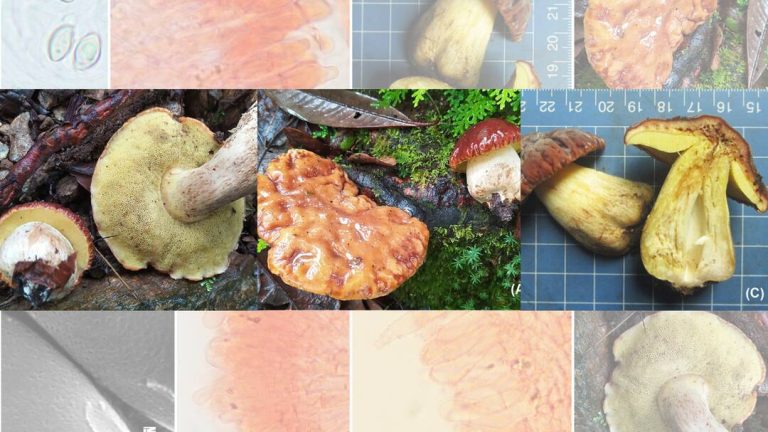
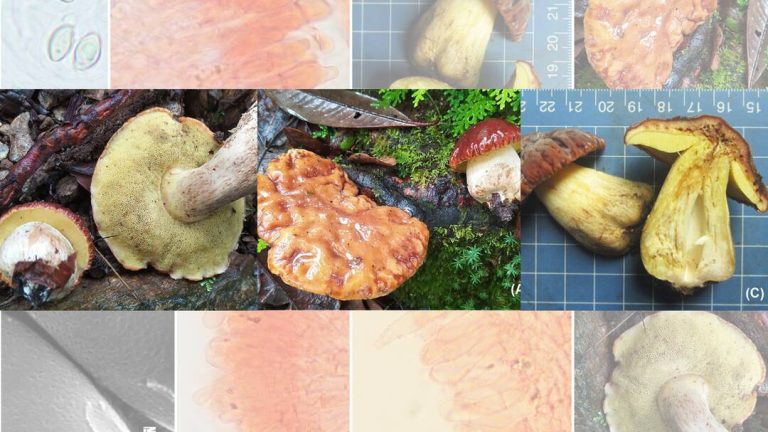
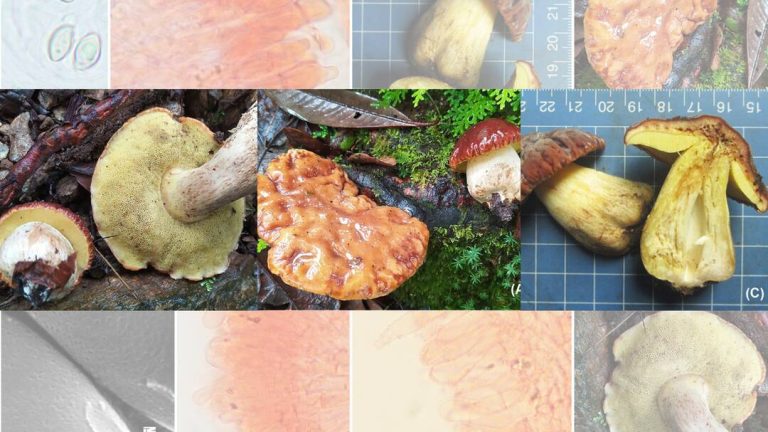
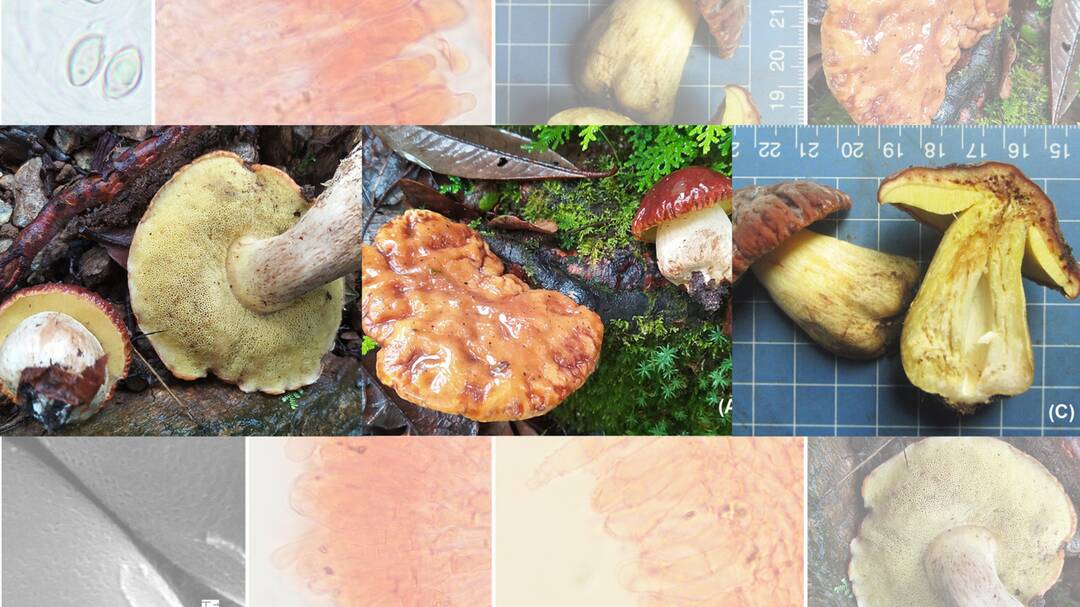
The world of fungi is a vast and mysterious one, with new species being discovered all the time. Recently, a team of researchers at St. Xavier’s College, Jharkhand, made a groundbreaking discovery in the Himalayas, identifying a new species of mushroom that has never been seen before in India. The newly discovered species, known as Hemileccinum indicum, is a type of bolete mushroom that is found in the oak forests of Uttarakhand, at an elevation of 2,600 meters.
This discovery is significant not only because it represents a new species, but also because it is the first time that this genus has been recorded in India. The researchers used advanced techniques such as DNA sequencing and electron microscopy to identify the unique characteristics of the mushroom, including its “pitted” spores. These spores are a distinctive feature of the Hemileccinum genus, and are unlike anything found in other types of mushrooms.
The discovery of Hemileccinum indicum is a testament to the diversity of fungal life in India, and highlights the importance of continued exploration and research into the country’s natural habitats. The Himalayas are home to a wide range of unique and endemic species, and it is likely that many more discoveries like this one will be made in the coming years.
But what exactly are these “pitted” spores, and how do they differ from other types of mushroom spores? To understand this, we need to take a closer look at the structure and function of mushroom spores. Spores are the reproductive units of fungi, and are responsible for dispersing the fungus to new areas. They are typically small, single cells that are designed to survive in a variety of environments, and can be found in a range of shapes and sizes.
In the case of Hemileccinum indicum, the spores are characterized by the presence of small pits or depressions on their surface. These pits are thought to be an adaptation for improving the spore’s ability to disperse and germinate, and may help to increase the chances of the fungus establishing itself in a new location. The exact function of these pits is still not fully understood, and further research is needed to determine their role in the life cycle of the fungus.
The use of DNA sequencing and electron microscopy was crucial in identifying the unique characteristics of Hemileccinum indicum. DNA sequencing allows researchers to analyze the genetic material of an organism, and can be used to identify species and understand their relationships to other organisms. Electron microscopy, on the other hand, provides high-resolution images of the surface features of cells and tissues, and can be used to study the structure and morphology of fungi.
By combining these two techniques, the researchers were able to gather a wealth of information about Hemileccinum indicum, including its genetic makeup and the structure of its spores. This information will be invaluable in helping to understand the biology and ecology of this new species, and will provide a foundation for future research into its habits and habitats.
The discovery of Hemileccinum indicum is not only significant from a scientific perspective, but also has potential implications for our understanding of the natural world. Fungi play a critical role in many ecosystems, serving as decomposers, symbionts, and food sources for other organisms. By studying the diversity of fungal life, we can gain a better understanding of the complex interactions that occur within ecosystems, and can learn more about the ways in which species interact and adapt to their environments.
In addition, the discovery of new species like Hemileccinum indicum highlights the importance of conservation and preservation of natural habitats. The oak forests of Uttarakhand, where this species was found, are a unique and fragile ecosystem that is home to a wide range of plant and animal species. By protecting and preserving these habitats, we can help to ensure the long-term survival of species like Hemileccinum indicum, and can work to maintain the health and biodiversity of ecosystems around the world.
In conclusion, the discovery of Hemileccinum indicum is a significant find that highlights the diversity and complexity of fungal life in India. The use of advanced techniques such as DNA sequencing and electron microscopy has allowed researchers to gather a detailed understanding of this new species, and has provided a foundation for future research into its biology and ecology. As we continue to explore and learn more about the natural world, it is likely that many more discoveries like this one will be made, and that our understanding of the complex interactions that occur within ecosystems will continue to grow and evolve.
News Source: https://researchmatters.in/news/new-pitted-spore-mushroom-found-himalayas-oak-forests-uttarakhand
About the Author