Pits, Pores, and more: The science behind India’s newest mushrooms
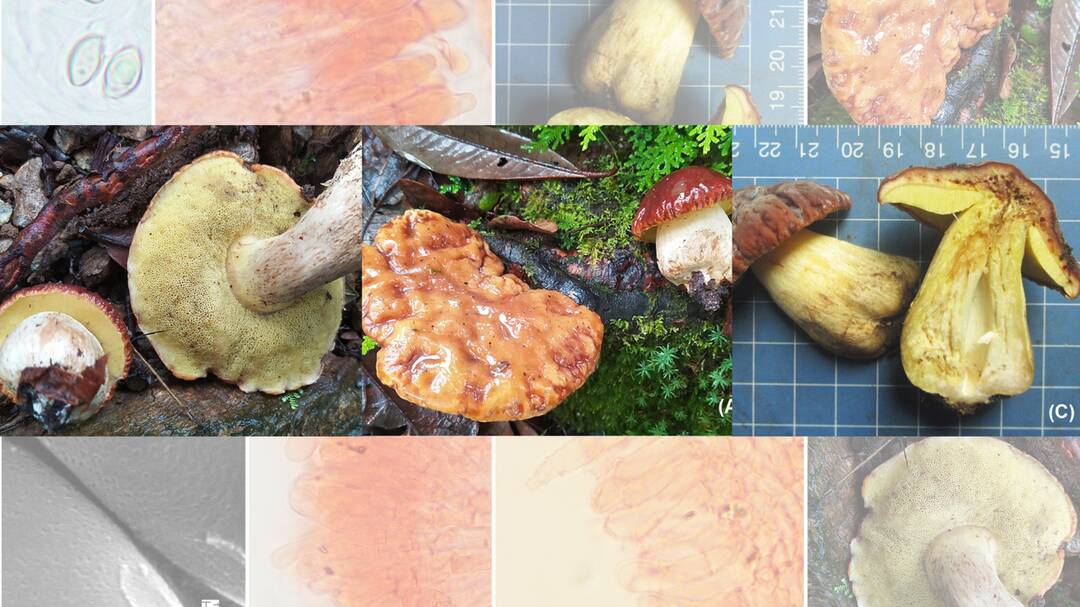
The world of fungi is a fascinating one, with new species being discovered every year. Recently, researchers at St. Xavier’s College, Jharkhand, have made a groundbreaking discovery in the Himalayas, identifying a new species of mushroom that has never been seen before in India. The new species, called Hemileccinum indicum, was found at an altitude of 2,600 meters, and its unique characteristics have left scientists excited and eager to learn more.
The discovery of Hemileccinum indicum is significant not only because it is a new species, but also because it is the first time this genus has been recorded in India. The researchers used advanced techniques such as DNA sequencing and electron microscopy to identify the mushroom and study its unique features. One of the most distinctive characteristics of Hemileccinum indicum is its “pitted” spores, which are unlike any other species of mushroom found in India.
But what exactly are spores, and why are they so important in the identification of mushroom species? Spores are the reproductive units of fungi, similar to the seeds of plants. They are produced by the mushroom and dispersed into the environment, where they can germinate and grow into new individuals. The shape, size, and surface features of spores are unique to each species and can be used to identify them.
In the case of Hemileccinum indicum, the spores have a unique “pitted” appearance, with small depressions on the surface. This is a distinctive feature that sets it apart from other species of mushrooms. The researchers used electron microscopy to study the spores in detail and confirm their identification.
The discovery of Hemileccinum indicum is not only significant for the scientific community, but also for the conservation of India’s biodiversity. The Himalayas are home to a vast array of plant and animal species, many of which are found nowhere else in the world. The discovery of a new species of mushroom highlights the importance of preserving and protecting these ecosystems, which are under threat from climate change, deforestation, and other human activities.
The researchers who discovered Hemileccinum indicum are part of a larger effort to document and study the fungi of India. Despite their importance in the ecosystem, fungi are often overlooked and under-studied, particularly in India. However, with the help of advanced techniques such as DNA sequencing and electron microscopy, scientists are now able to study fungi in greater detail and identify new species.
The discovery of Hemileccinum indicum is also a reminder of the importance of exploration and discovery in science. The Himalayas are a vast and remote region, and there are still many areas that have not been fully explored. The discovery of a new species of mushroom highlights the importance of continued exploration and research in these regions, which may hold many more secrets and surprises.
In addition to its scientific significance, the discovery of Hemileccinum indicum also has potential practical applications. Mushrooms have been used for centuries in traditional medicine, and many species have been found to have unique properties and compounds that can be used to develop new medicines. The discovery of a new species of mushroom may lead to the discovery of new compounds and medicines, which could have a significant impact on human health.
In conclusion, the discovery of Hemileccinum indicum is a significant breakthrough in the field of mycology, the study of fungi. The unique characteristics of this new species, including its “pitted” spores, make it an exciting discovery for scientists and researchers. The discovery also highlights the importance of preserving and protecting India’s biodiversity, particularly in the Himalayas, which are home to a vast array of unique and threatened species.
As we continue to explore and study the natural world, we are reminded of the importance of discovery and the potential for new breakthroughs and discoveries. The discovery of Hemileccinum indicum is a testament to the power of science and the importance of continued research and exploration.
News Source: https://researchmatters.in/news/new-pitted-spore-mushroom-found-himalayas-oak-forests-uttarakhand
About the Author