Pits, Pores, and more: The science behind India’s newest mushrooms
The world of mycology, the study of fungi, is a vast and fascinating one. With new species of mushrooms being discovered regularly, researchers are constantly uncovering the secrets of these enigmatic organisms. Recently, a team of researchers at St. Xavier’s College, Jharkhand, made a groundbreaking discovery in the Himalayas, identifying a new species of mushroom that has never been seen before in India. This new species, named Hemileccinum indicum, was found at an altitude of 2,600m, and its unique characteristics have sent shockwaves through the scientific community.
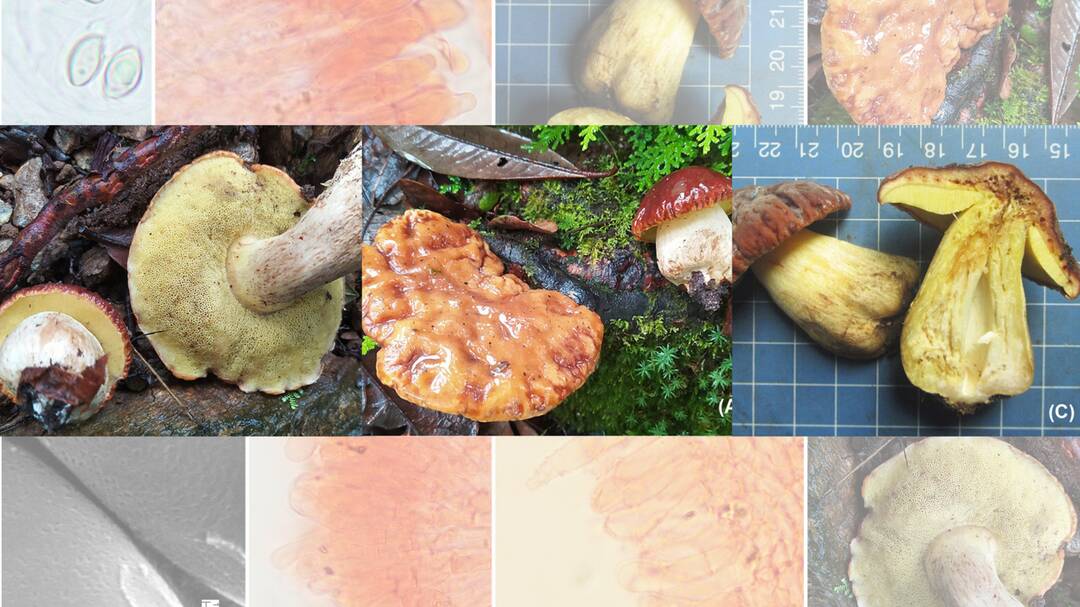
The discovery of Hemileccinum indicum is significant not only because it is a new species, but also because it is the first time that this genus has been recorded in India. The researchers used advanced techniques such as DNA sequencing and electron microscopy to identify the mushroom’s unique features, including its “pitted” spores. These spores are characterized by small depressions or pits on their surface, which distinguish them from other species of mushrooms.
The discovery of Hemileccinum indicum was made in the oak forests of Uttarakhand, a region known for its rich biodiversity. The researchers were conducting a survey of the local flora and fauna when they stumbled upon the mushroom. Initially, they thought it was a known species, but upon closer inspection, they realized that it was something entirely new. The team collected samples of the mushroom and brought them back to their laboratory for further analysis.
Using DNA sequencing, the researchers were able to determine the mushroom’s genetic makeup and compare it to other known species. They found that Hemileccinum indicum was most closely related to other species of mushrooms found in Europe and North America, but it had distinct differences that set it apart. The team also used electron microscopy to study the mushroom’s spores in detail, which revealed the unique pitted structure that is characteristic of this species.
The discovery of Hemileccinum indicum has significant implications for our understanding of the diversity of mushrooms in India. The country is home to a vast array of fungal species, many of which are still unknown to science. The identification of this new species highlights the need for further research and exploration of India’s natural habitats, particularly in regions such as the Himalayas, which are known for their rich biodiversity.
The researchers who made the discovery are thrilled about the potential implications of their findings. “This is a significant discovery, not just because it’s a new species, but also because it highlights the importance of preserving our natural habitats,” said one of the researchers. “The Himalayas are a treasure trove of biodiversity, and we need to do more to protect and conserve this region.”
The discovery of Hemileccinum indicum is also a testament to the power of advanced technologies such as DNA sequencing and electron microscopy. These techniques have revolutionized the field of mycology, allowing researchers to study mushrooms in unprecedented detail. By using these tools, scientists can now identify new species with greater accuracy and precision, which is essential for understanding the diversity of fungi on our planet.
In addition to its scientific significance, the discovery of Hemileccinum indicum also has potential practical applications. Mushrooms are a valuable source of nutrients and have been used for centuries in traditional medicine. The unique characteristics of Hemileccinum indicum may make it a valuable resource for the development of new medicines or food products.
In conclusion, the discovery of Hemileccinum indicum is a significant breakthrough in the field of mycology, highlighting the diversity and complexity of fungal species in India. The use of advanced technologies such as DNA sequencing and electron microscopy has allowed researchers to identify this new species with greater accuracy and precision. As we continue to explore and discover new species of mushrooms, we are reminded of the importance of preserving our natural habitats and the potential benefits that these organisms can bring to our lives.
Source:
https://researchmatters.in/news/new-pitted-spore-mushroom-found-himalayas-oak-forests-uttarakhand
About the Author