Pits, Pores, and more: The science behind India’s newest mushrooms
The Himalayas, with their rugged terrain and diverse ecosystems, have long been a treasure trove for scientists and researchers. The region’s unique combination of climate, geology, and geography has given rise to a wide range of flora and fauna, many of which remain undiscovered or understudied. Recently, a team of researchers from St. Xavier’s College, Jharkhand, made a significant breakthrough in the field of mycology, the study of fungi, with the discovery of a new species of mushroom in the Himalayas.
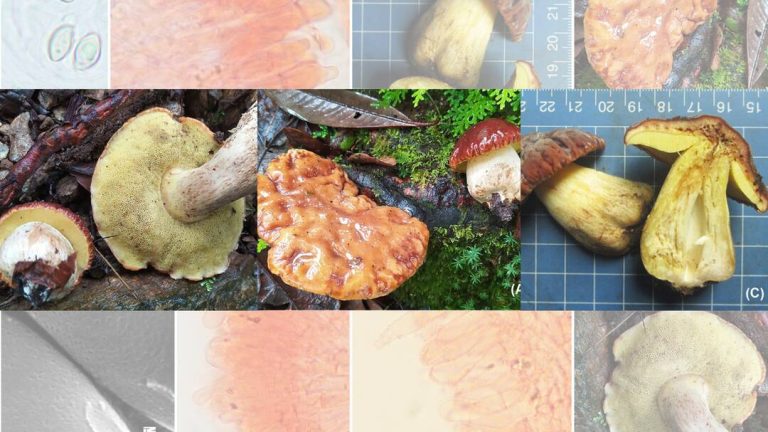
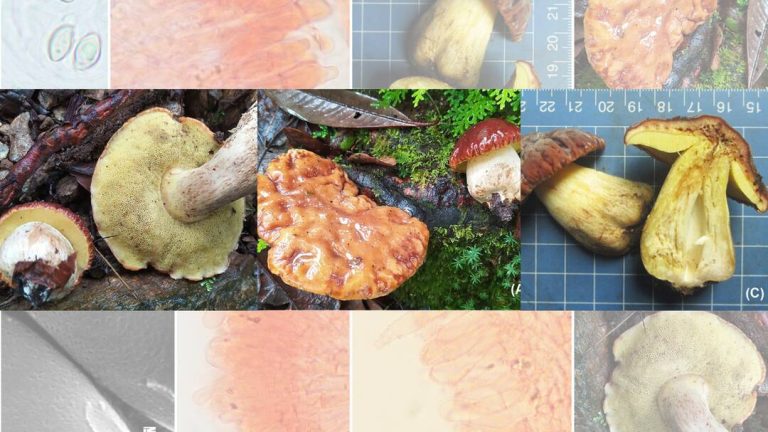
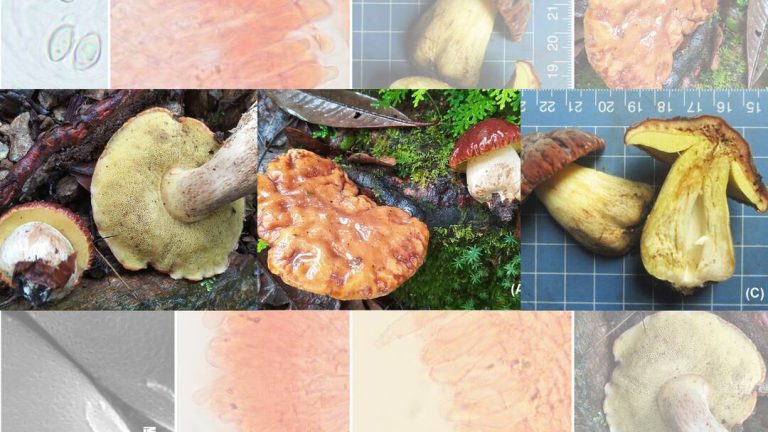
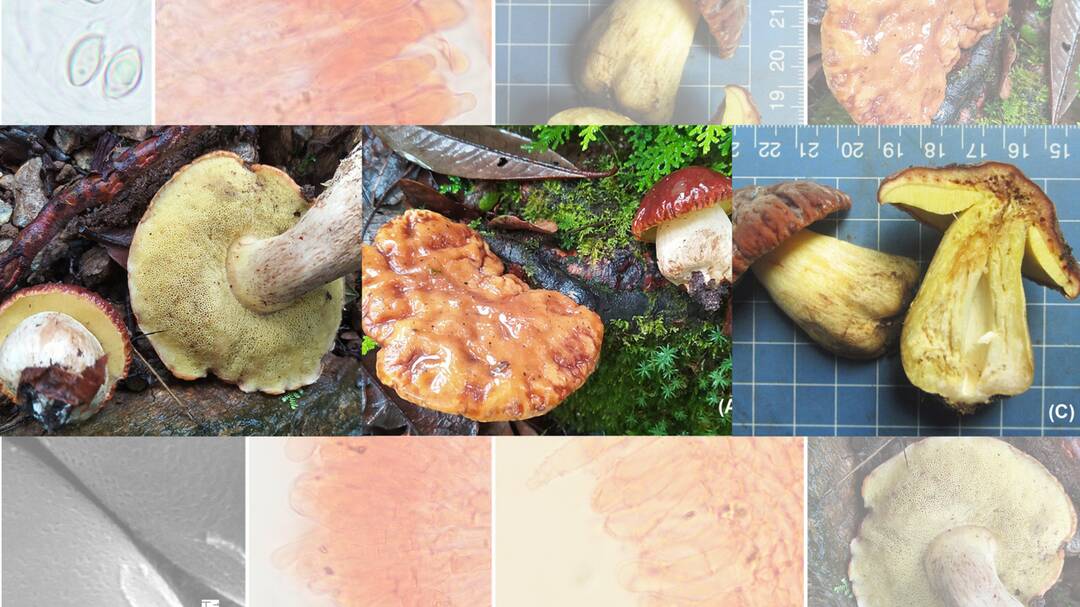
The newly identified species, named Hemileccinum indicum, is a type of bolete mushroom that belongs to the genus Hemileccinum. What makes this discovery particularly exciting is that it is the first time this genus has been recorded in India. The researchers found the mushroom growing in the oak forests of Uttarakhand, at an altitude of 2,600 meters above sea level.
So, what makes this mushroom so special? To answer this question, we need to take a closer look at its unique characteristics. One of the most distinctive features of Hemileccinum indicum is its “pitted” spores. Spores are the reproductive structures of fungi, and they play a crucial role in the life cycle of these organisms. In the case of Hemileccinum indicum, the spores have a unique pitted or reticulated pattern, which is not commonly found in other species of mushrooms.
To identify and characterize the new species, the researchers used a combination of traditional morphological techniques and cutting-edge molecular methods. They began by collecting and examining the physical characteristics of the mushroom, such as its shape, size, color, and texture. They also used electron microscopy to study the fine details of the spores and other microscopic features.
However, to confirm the identity of the species and determine its relationships to other fungi, the researchers turned to DNA sequencing. By analyzing the genetic material of the mushroom, they were able to compare it to other known species and determine its place within the fungal family tree. This approach allowed them to identify the unique characteristics of Hemileccinum indicum and distinguish it from other similar species.
The discovery of Hemileccinum indicum is significant not only because it represents a new species of mushroom but also because it highlights the importance of exploring and documenting the natural world. The Himalayas are home to a vast array of plant and animal species, many of which remain undescribed or understudied. By venturing into these remote and often inaccessible regions, scientists can gain a deeper understanding of the complex relationships between organisms and their environments.
Furthermore, the discovery of new species like Hemileccinum indicum can also have practical applications. Fungi, including mushrooms, have been a source of inspiration for the development of new medicines, foods, and other products. By studying the unique characteristics and properties of these organisms, researchers can identify potential new uses and applications.
In addition to its scientific significance, the discovery of Hemileccinum indicum also highlights the importance of collaboration and interdisciplinary research. The team of researchers from St. Xavier’s College, Jharkhand, worked together with other experts in the field to identify and characterize the new species. This collaborative approach allowed them to bring together a range of skills and expertise, from traditional taxonomy to cutting-edge molecular biology.
In conclusion, the discovery of Hemileccinum indicum is a significant breakthrough in the field of mycology, and it highlights the importance of exploring and documenting the natural world. The unique characteristics of this new species, including its “pitted” spores, make it an exciting addition to the world of fungi. As researchers continue to study and learn more about this species, they may uncover new insights into the biology and ecology of fungi, as well as potential new uses and applications.
News source: https://researchmatters.in/news/new-pitted-spore-mushroom-found-himalayas-oak-forests-uttarakhand
About the Author