Pits, Pores, and more: The science behind India’s newest mushrooms
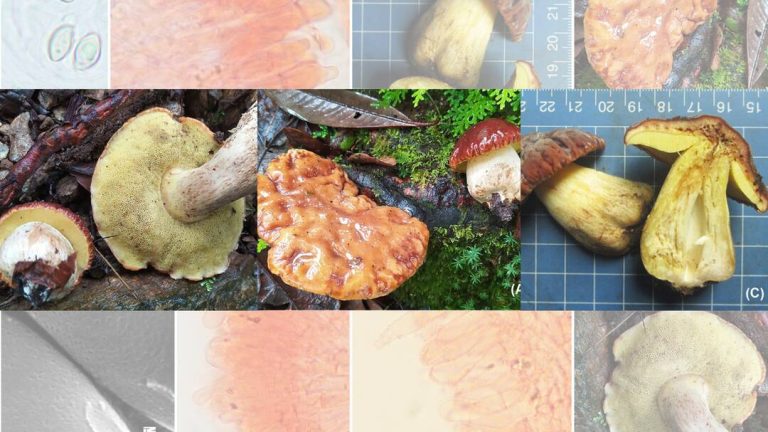
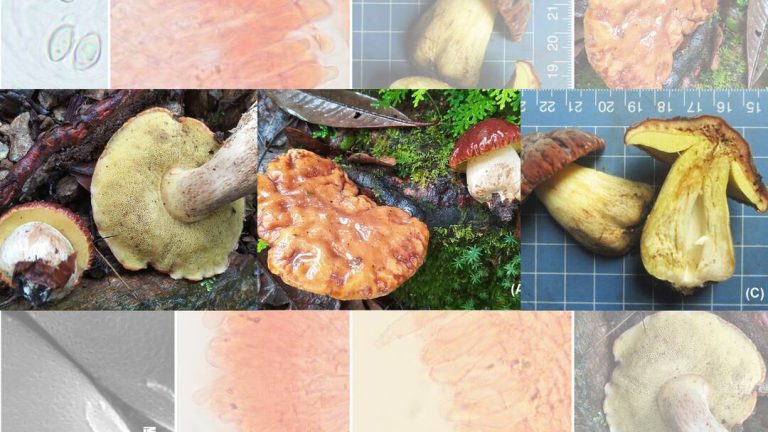
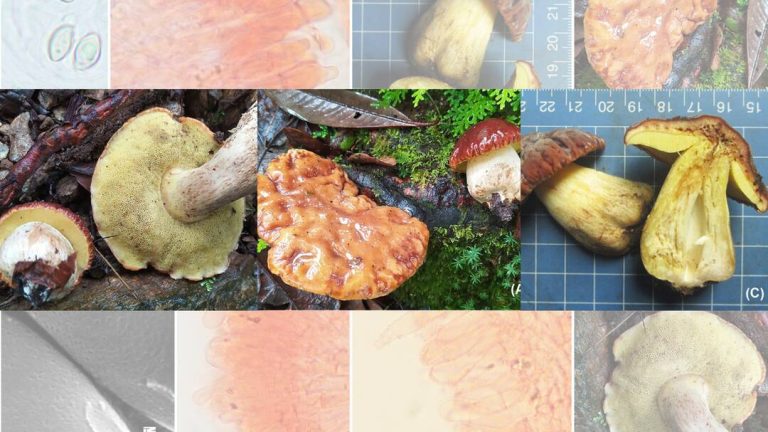
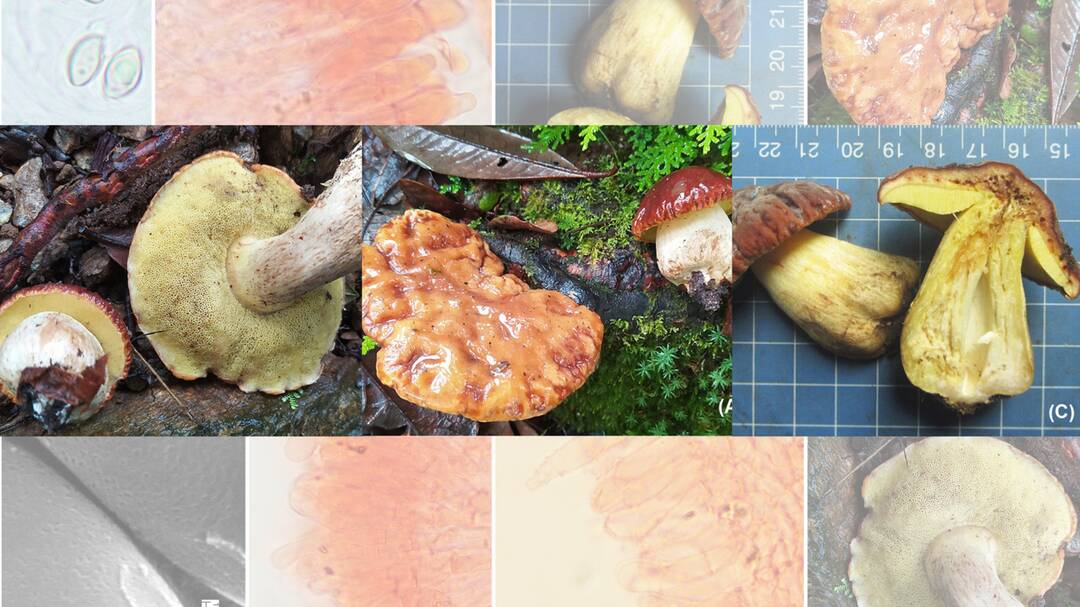
The world of fungi is a vast and mysterious one, with new species being discovered regularly. In a recent breakthrough, researchers at St. Xavier’s College, Jharkhand, have identified a new species of mushroom, which has been named Hemileccinum indicum. This discovery is significant not only because it is a new species, but also because it is the first time that this genus has been recorded in India. The discovery was made in the oak forests of Uttarakhand, at an altitude of 2,600 meters, and has shed new light on the diversity of fungal life in the region.
The researchers used advanced techniques such as DNA sequencing and electron microscopy to identify the unique characteristics of the new species. One of the most distinctive features of Hemileccinum indicum is its “pitted” spores, which are unlike any other species in the same genus. The spores are covered in small pits or depressions, which are thought to be an adaptation to help the fungus disperse its spores more effectively.
The discovery of Hemileccinum indicum is a significant one, not just because it is a new species, but also because it highlights the diversity of fungal life in India. The country is home to a wide range of fungal species, many of which are still unknown to science. The discovery of this new species is a reminder of the importance of continued exploration and research into the natural world, and the many secrets that it still holds.
The researchers who made the discovery used a combination of traditional and modern techniques to identify the new species. They began by collecting samples of the fungus in the field, and then used DNA sequencing to analyze its genetic material. This allowed them to compare the fungus to other known species, and to determine its relationships to other fungi. They also used electron microscopy to study the structure of the fungus’s spores, which provided valuable information about its morphology.
The discovery of Hemileccinum indicum is not just significant from a scientific perspective, but also from a conservation perspective. The fungus was found in a relatively remote and pristine area of the Himalayas, which is home to a wide range of unique and endangered species. The discovery of this new species highlights the importance of protecting these areas, and the need for continued conservation efforts to preserve the natural beauty and diversity of the region.
In addition to its scientific and conservation significance, the discovery of Hemileccinum indicum also has potential practical applications. Fungi are a rich source of new medicines and other products, and the discovery of new species can often lead to the development of new drugs and other treatments. The unique characteristics of Hemileccinum indicum, such as its “pitted” spores, may also make it a useful model organism for scientific study.
The discovery of Hemileccinum indicum is a reminder of the many wonders that still await us in the natural world. The world of fungi is a vast and complex one, and there is still much to be learned about the diversity of species that exist. As researchers continue to explore and study the natural world, we can expect to discover many more new and exciting species, each with its own unique characteristics and features.
In conclusion, the discovery of Hemileccinum indicum is a significant one, which highlights the diversity of fungal life in India and the importance of continued exploration and research into the natural world. The use of advanced techniques such as DNA sequencing and electron microscopy has allowed researchers to identify the unique characteristics of this new species, and has shed new light on the biology and ecology of fungi. As we continue to learn more about the natural world, we can expect to discover many more new and exciting species, each with its own unique features and characteristics.
The discovery of Hemileccinum indicum is a testament to the power of scientific research and the importance of continued exploration and discovery. It is a reminder that there is still much to be learned about the natural world, and that the discovery of new species can often lead to new insights and understanding. As we look to the future, it is clear that the world of fungi will continue to be an important area of research and study, and that the discovery of new species like Hemileccinum indicum will play a major role in advancing our knowledge of the natural world.
Source:
https://researchmatters.in/news/new-pitted-spore-mushroom-found-himalayas-oak-forests-uttarakhand
About the Author