Pits, Pores, and more: The science behind India’s newest mushrooms
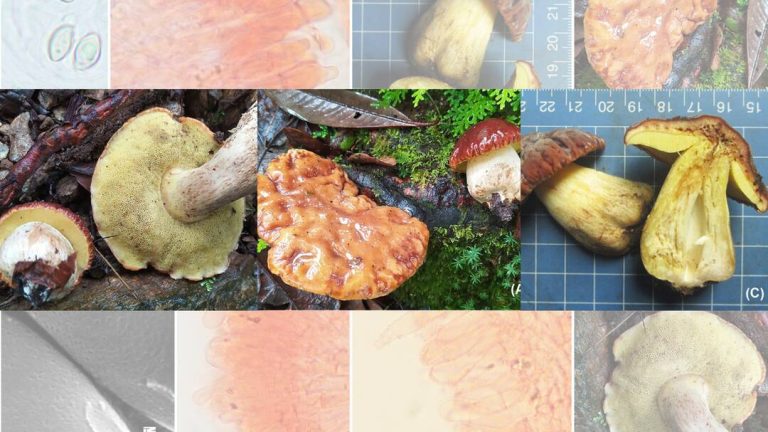
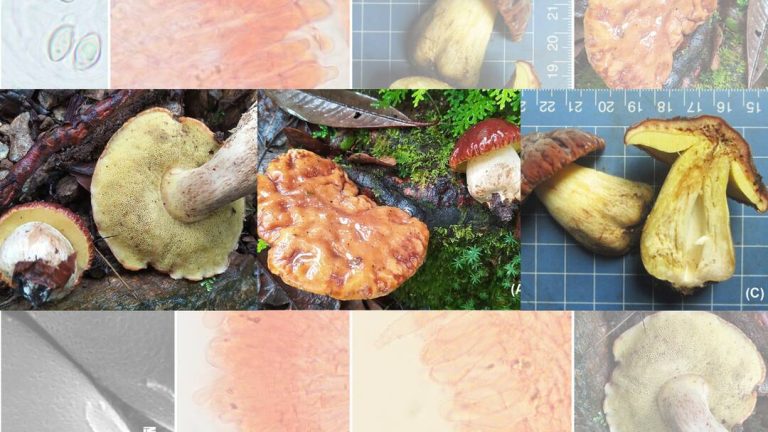
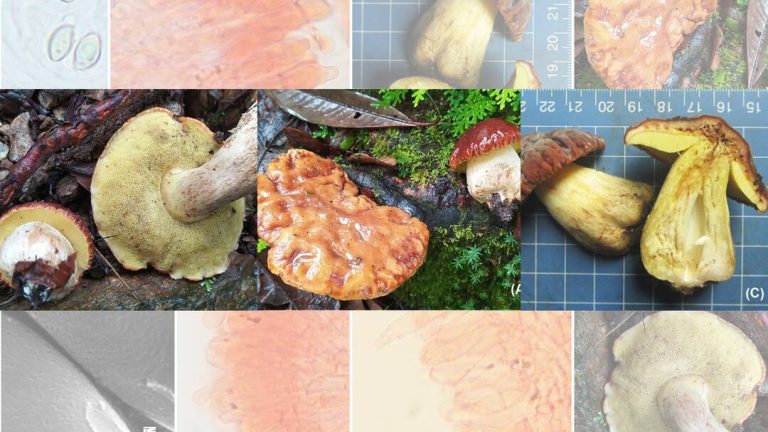
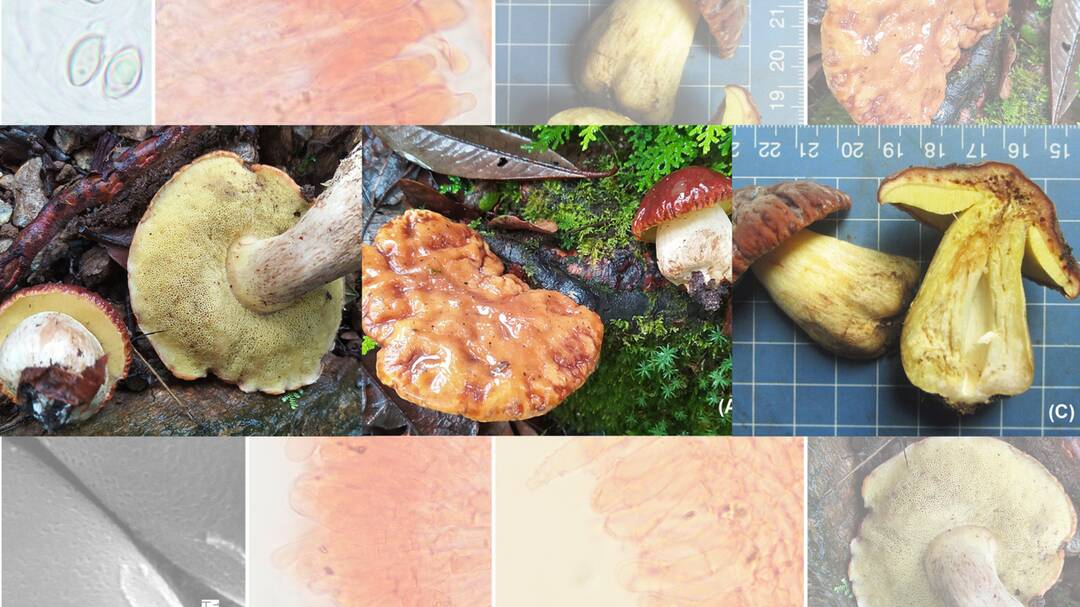
The world of fungi is a vast and mysterious one, with new species being discovered all the time. In a recent breakthrough, researchers at St. Xavier’s College, Jharkhand, have identified a new species of mushroom that is sure to excite mycologists and nature enthusiasts alike. Meet Hemileccinum indicum, a newly discovered species of mushroom that has been found to thrive in the oak forests of the Himalayas at an altitude of 2,600 meters. This discovery is significant not only because it marks the first time this genus has been recorded in India but also due to the unique characteristics of the mushroom itself.
The discovery of Hemileccinum indicum was made possible through the use of advanced technologies such as DNA sequencing and electron microscopy. These tools allowed researchers to study the mushroom’s genetic makeup and physical structure in great detail, revealing its unique features. One of the most distinctive characteristics of Hemileccinum indicum is its “pitted” spores. These spores are covered in small pits or depressions, which give them a unique appearance under the microscope.
But what exactly are spores, and why are they so important in the world of fungi? Spores are the reproductive structures of fungi, similar to the seeds of plants. They are designed to disperse and germinate, giving rise to new fungal growth. The shape, size, and surface features of spores can vary greatly between different species of fungi, and they are often used as a key characteristic in identifying and classifying different types of fungi.
In the case of Hemileccinum indicum, the pitted spores are a key feature that sets it apart from other species of mushrooms. The pits or depressions on the surface of the spores are thought to be an adaptation that helps the spores to disperse and germinate more effectively. By studying the spores of Hemileccinum indicum, researchers can gain a better understanding of the evolutionary pressures that have shaped the development of this unique feature.
The discovery of Hemileccinum indicum is not only significant from a scientific perspective but also from a conservation perspective. The oak forests of the Himalayas are a unique and fragile ecosystem, home to a wide variety of plant and animal species. The discovery of a new species of mushroom in this ecosystem highlights the importance of preserving and protecting these forests, not just for the sake of the mushrooms themselves but for the entire web of life that depends on them.
In addition to its scientific and conservation significance, the discovery of Hemileccinum indicum also has potential practical applications. Mushrooms have been used for centuries in traditional medicine, and many species are still used today to produce a wide range of pharmaceuticals and other products. The unique characteristics of Hemileccinum indicum make it an exciting candidate for further study, and it is possible that it could have a range of uses that have not yet been discovered.
The research team that discovered Hemileccinum indicum is excited about the potential of this new species, and they are already planning further studies to learn more about its habits, habitats, and potential uses. As they continue to explore the world of fungi, they are reminded of the vast and unexplored territories that still exist in the natural world. The discovery of Hemileccinum indicum is a testament to the power of scientific inquiry and the importance of continuing to explore and discover the secrets of the natural world.
In conclusion, the discovery of Hemileccinum indicum is a significant breakthrough in the world of mycology, and it highlights the importance of continuing to explore and study the natural world. The unique characteristics of this new species of mushroom make it an exciting candidate for further study, and it has the potential to reveal new insights into the evolution and diversity of fungi. As we continue to learn more about Hemileccinum indicum and its place in the world of fungi, we are reminded of the beauty and complexity of the natural world, and the importance of preserving and protecting it for future generations.
News Source: https://researchmatters.in/news/new-pitted-spore-mushroom-found-himalayas-oak-forests-uttarakhand
About the Author