Pits, Pores, and more: The science behind India’s newest mushrooms
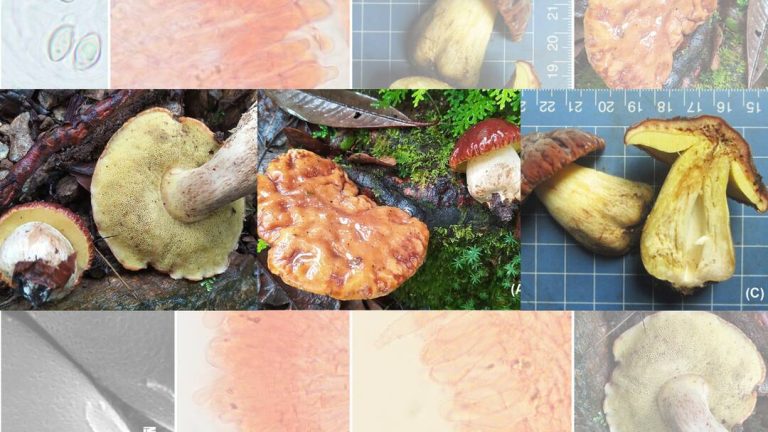
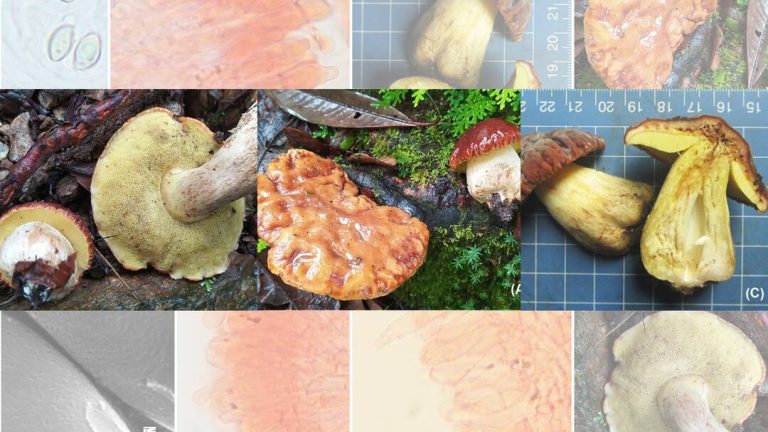
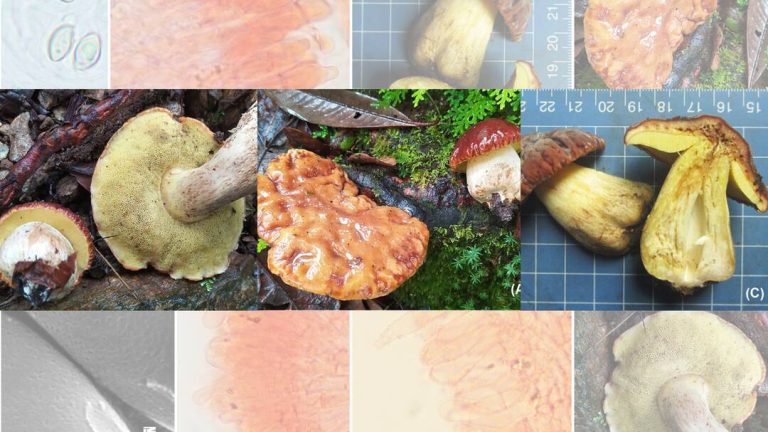
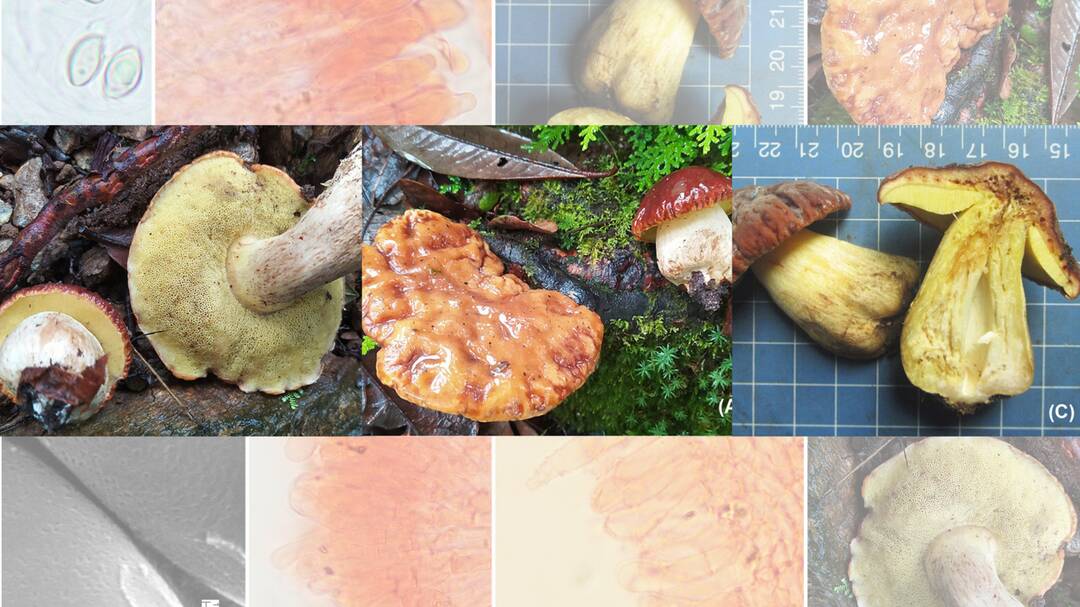
The vast and diverse landscape of India is home to a wide range of flora and fauna, with new species being discovered regularly. One such discovery has been making waves in the scientific community – a new species of mushroom, identified as Hemileccinum indicum, found in the oak forests of Uttarakhand at an altitude of 2,600 meters. This breakthrough was made possible by researchers at St. Xavier’s College, Jharkhand, who used cutting-edge techniques such as DNA sequencing and electron microscopy to study the unique characteristics of this fungus.
The discovery of Hemileccinum indicum is significant not only because it is a new species, but also because it is the first time this genus has been recorded in India. The Hemileccinum genus is known for its distinctive “pitted” spores, which are a result of the unique structure of the spore wall. These pits or pores are not just a fascinating feature, but also play a crucial role in the reproduction and dispersal of the mushroom.
To understand the significance of this discovery, let’s take a step back and explore the world of mycology, the study of fungi. Fungi are a diverse group of organisms that include mushrooms, molds, and yeasts. They play a vital role in the ecosystem, from decomposing organic matter to forming symbiotic relationships with plants. The kingdom of fungi is estimated to contain over 1.5 million species, with only about 10% of them formally described.
Mushrooms, in particular, have been a subject of interest for scientists and enthusiasts alike. With their unique shapes, sizes, and colors, they add a touch of beauty and intrigue to the natural world. But beyond their aesthetic appeal, mushrooms also have a range of practical applications, from food and medicine to environmental remediation.
The discovery of Hemileccinum indicum is a testament to the power of scientific inquiry and the importance of exploring the natural world. The researchers at St. Xavier’s College, Jharkhand, used a combination of traditional and modern techniques to identify and characterize this new species. By studying the morphology, anatomy, and DNA of the mushroom, they were able to determine its unique features and place it within the Hemileccinum genus.
One of the key features of Hemileccinum indicum is its “pitted” spores. These spores are covered in small pits or pores, which are formed by the unique structure of the spore wall. The pits are thought to play a role in the reproduction and dispersal of the mushroom, allowing it to colonize new areas and adapt to changing environments.
The use of DNA sequencing and electron microscopy was instrumental in the discovery of Hemileccinum indicum. DNA sequencing allowed the researchers to analyze the genetic material of the mushroom and compare it to other known species. This helped them to determine the phylogenetic relationships of the mushroom and place it within the Hemileccinum genus.
Electron microscopy, on the other hand, provided high-resolution images of the mushroom’s spores and other structures. This allowed the researchers to study the unique features of the mushroom in detail, including the pits or pores on the spore wall. By combining these techniques, the researchers were able to gain a comprehensive understanding of the biology and ecology of Hemileccinum indicum.
The discovery of Hemileccinum indicum is not only significant from a scientific perspective, but also has implications for conservation and sustainability. The oak forests of Uttarakhand, where the mushroom was found, are an important ecosystem that provides habitat for a range of plant and animal species. The discovery of this new species highlights the importance of preserving and protecting these ecosystems, not just for the sake of biodiversity, but also for the potential benefits they may hold for human society.
In conclusion, the discovery of Hemileccinum indicum is a remarkable example of the power of scientific inquiry and the importance of exploring the natural world. By using cutting-edge techniques such as DNA sequencing and electron microscopy, researchers at St. Xavier’s College, Jharkhand, were able to identify and characterize a new species of mushroom, with unique “pitted” spores. This breakthrough not only expands our knowledge of the fungal kingdom but also highlights the importance of preserving and protecting the natural world.
Source:
https://researchmatters.in/news/new-pitted-spore-mushroom-found-himalayas-oak-forests-uttarakhand
About the Author