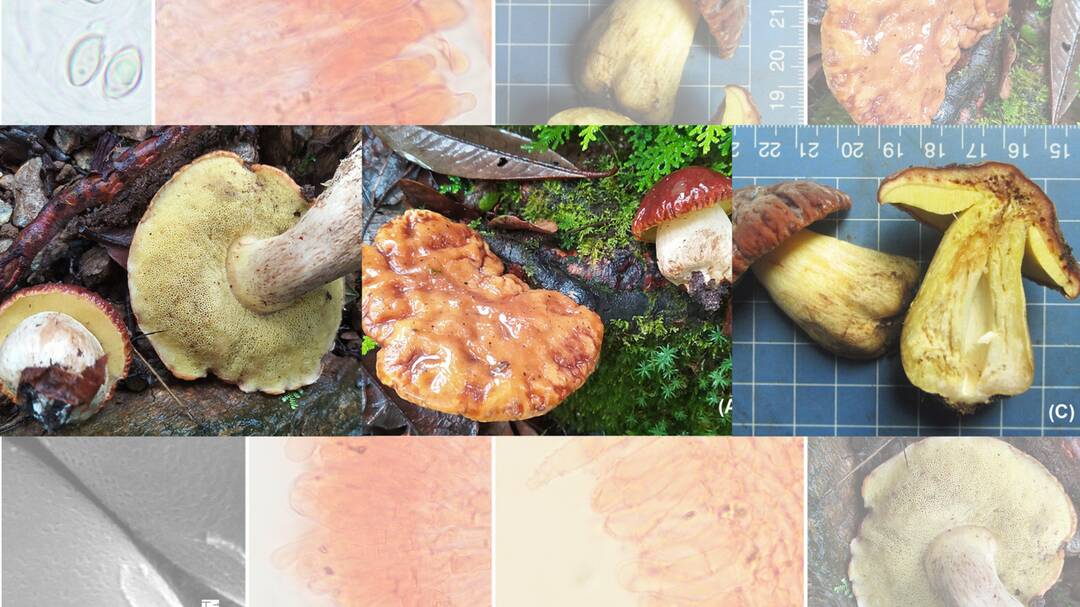
Pits, Pores, and more: The science behind India’s newest mushrooms
The world of fungi is a vast and wondrous one, full of mysteries waiting to be uncovered. In recent years, India has emerged as a hotspot for mycological research, with scientists discovering new species of mushrooms in various parts of the country. One such discovery was made by researchers at St. Xavier’s College, Jharkhand, who identified a new species of mushroom called Hemileccinum indicum. This breakthrough finding has shed new light on the diversity of fungal life in India and has significant implications for our understanding of the country’s ecosystem.
The Hemileccinum indicum was found at an altitude of 2,600 meters in the oak forests of Uttarakhand, a region known for its rich biodiversity. This is the first time that this genus has been recorded in India, making it a significant discovery for the scientific community. The researchers used advanced techniques such as DNA sequencing and electron microscopy to study the mushroom and identify its unique characteristics.
One of the most distinctive features of the Hemileccinum indicum is its “pitted” spores. The spores of this mushroom have small depressions or pits on their surface, which is a characteristic that sets it apart from other species of mushrooms. The researchers used electron microscopy to study the spores in detail and found that the pits are arranged in a specific pattern, which is unique to this species.
The discovery of the Hemileccinum indicum is not just significant from a scientific perspective, but also has important implications for our understanding of the ecosystem in which it is found. The oak forests of Uttarakhand are home to a diverse range of plant and animal species, and the presence of this new species of mushroom adds to the richness of the ecosystem. The researchers believe that the Hemileccinum indicum may play an important role in the decomposition process, breaking down organic matter and recycling nutrients in the soil.
The use of DNA sequencing and electron microscopy in the study of the Hemileccinum indicum is a testament to the power of modern technology in advancing our understanding of the natural world. These techniques have allowed scientists to study the mushroom in unprecedented detail, revealing characteristics that would have been impossible to detect using traditional methods.
The discovery of the Hemileccinum indicum is also a reminder of the importance of preserving and protecting India’s natural habitats. The oak forests of Uttarakhand are under threat from human activities such as deforestation and urbanization, which could have a devastating impact on the ecosystem. The loss of biodiversity in these forests could have far-reaching consequences, not just for the environment, but also for human health and well-being.
In addition to its scientific significance, the discovery of the Hemileccinum indicum also highlights the importance of interdisciplinary research. The study of fungi requires a combination of skills and expertise from fields such as biology, ecology, and chemistry. The researchers who discovered the Hemileccinum indicum worked together as a team, bringing their individual expertise to the project and contributing to a deeper understanding of the mushroom and its ecosystem.
The study of fungi is also an area of research that has significant potential for practical applications. Fungi have been used for centuries in traditional medicine, and modern research has revealed a wide range of potential uses for fungal compounds. From antibiotics to anticancer agents, fungi have the potential to provide new and innovative solutions to some of the world’s most pressing health problems.
In conclusion, the discovery of the Hemileccinum indicum is a significant breakthrough in the field of mycology, and has important implications for our understanding of India’s ecosystem. The use of advanced techniques such as DNA sequencing and electron microscopy has allowed scientists to study the mushroom in unprecedented detail, revealing characteristics that are unique to this species. The discovery of this new species is a reminder of the importance of preserving and protecting India’s natural habitats, and highlights the potential for interdisciplinary research to advance our understanding of the natural world.
As we continue to explore and discover new species of fungi, we are reminded of the vast and unexplored world of microbial life that surrounds us. The study of fungi is an area of research that has the potential to reveal new and exciting secrets about the natural world, and to provide innovative solutions to some of the world’s most pressing problems. Whether you are a scientist, a nature lover, or simply someone who is curious about the world around you, the discovery of the Hemileccinum indicum is a reminder of the wonders that await us in the unexplored corners of the natural world.
News source: https://researchmatters.in/news/new-pitted-spore-mushroom-found-himalayas-oak-forests-uttarakhand
About the Author