Pits, Pores, and more: The science behind India’s newest mushrooms
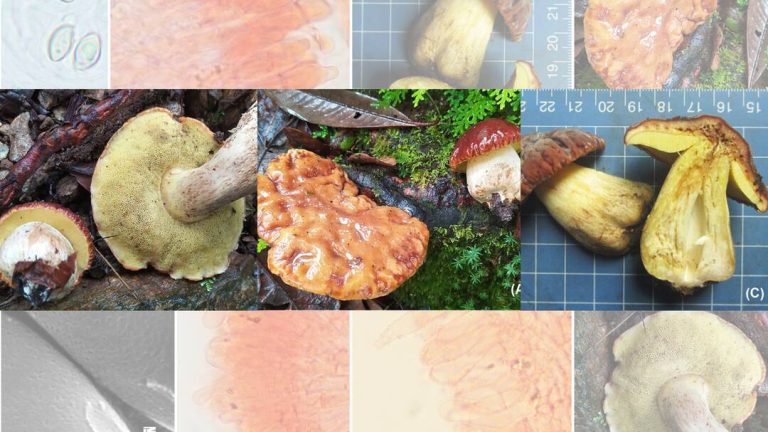
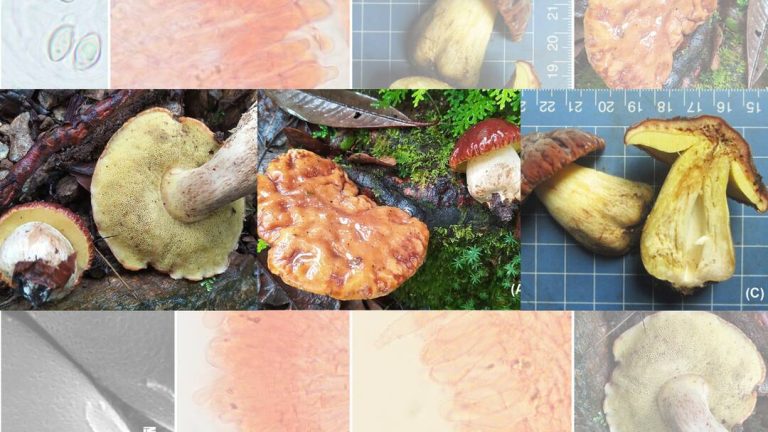
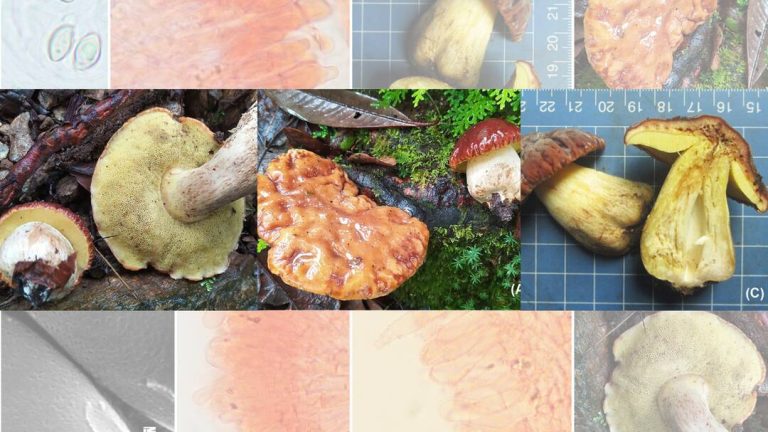
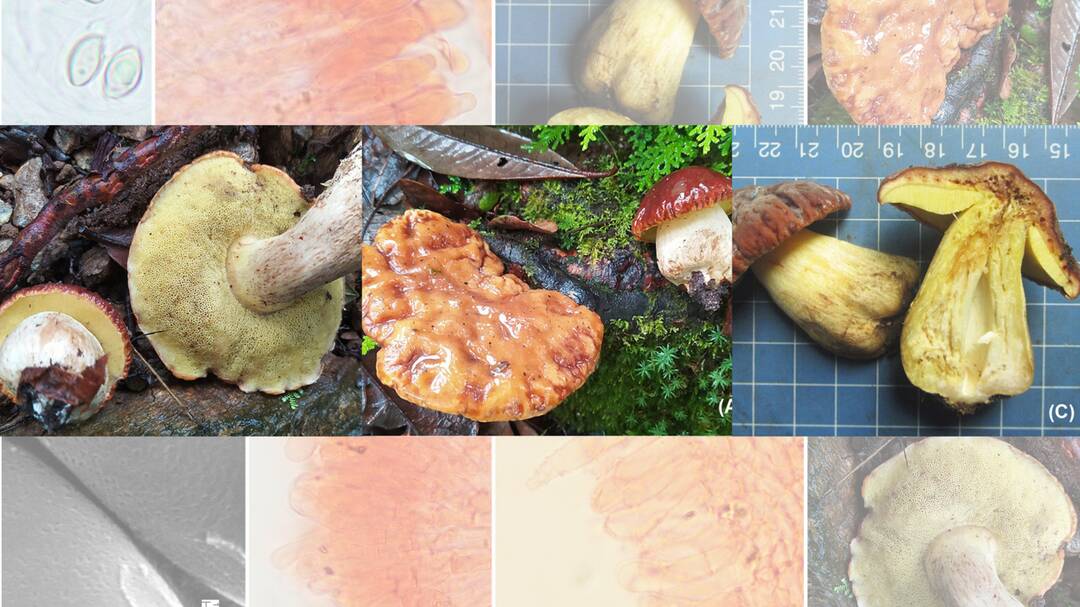
The world of mycology, the study of fungi, is a vast and fascinating one. With new species being discovered regularly, researchers are continually uncovering the secrets of these mysterious organisms. In a recent breakthrough, a team of researchers at St. Xavier’s College, Jharkhand, has identified a new species of mushroom, Hemileccinum indicum, found in the oak forests of Uttarakhand at an altitude of 2,600m. This discovery is significant not only because it is the first time this genus has been recorded in India but also due to the unique characteristics of the mushroom’s spores.
The discovery of Hemileccinum indicum is a testament to the rich biodiversity of India’s Himalayan region. The oak forests of Uttarakhand, with their unique combination of climate, soil, and vegetation, provide an ideal habitat for a wide range of fungal species. The researchers, using a combination of DNA sequencing and electron microscopy, were able to identify the unique “pitted” spores of the mushroom, which distinguish it from other species in the same genus.
But what exactly are these “pitted” spores, and why are they significant? In the world of mycology, the shape, size, and surface features of spores are crucial characteristics used to identify and classify different species of fungi. Spores are the reproductive structures of fungi, similar to the seeds of plants, and they play a critical role in the dissemination and survival of the species. The “pitted” spores of Hemileccinum indicum are characterized by the presence of small depressions or pits on their surface, which are thought to be an adaptation for improving the spore’s ability to disperse and germinate.
The use of DNA sequencing and electron microscopy in the identification of Hemileccinum indicum is a significant aspect of this discovery. DNA sequencing allows researchers to analyze the genetic material of the mushroom and compare it to other known species, while electron microscopy provides high-resolution images of the spores and other microscopic features. This combination of techniques enables researchers to gather a wealth of information about the mushroom’s morphology, physiology, and evolutionary history.
The discovery of Hemileccinum indicum is not only important for the field of mycology but also has potential implications for our understanding of the ecosystem and biodiversity of the Himalayan region. Fungi play a vital role in the decomposition of organic matter, the cycling of nutrients, and the formation of symbiotic relationships with other organisms. By studying the unique characteristics and habits of Hemileccinum indicum, researchers can gain insights into the complex interactions between fungi and their environment, which can inform strategies for conservation and sustainable management of the region’s natural resources.
Furthermore, the discovery of new species like Hemileccinum indicum highlights the importance of continued exploration and research into the natural world. Despite the many advances that have been made in the field of mycology, there is still much to be learned about the diversity and complexity of fungal species. By supporting and encouraging research into the natural world, we can continue to uncover new secrets and make new discoveries that can inform and inspire us.
In conclusion, the discovery of Hemileccinum indicum is a significant breakthrough in the field of mycology, and it highlights the importance of continued research and exploration into the natural world. The unique characteristics of this mushroom, including its “pitted” spores, make it an fascinating subject for study, and its discovery has the potential to inform our understanding of the ecosystem and biodiversity of the Himalayan region. As we continue to learn more about the natural world, we are reminded of the awe-inspiring complexity and beauty of the world around us, and the importance of preserving and protecting it for future generations.
For more information on this discovery, please visit: https://researchmatters.in/news/new-pitted-spore-mushroom-found-himalayas-oak-forests-uttarakhand
About the Author