Pits, Pores, and more: The science behind India’s newest mushrooms
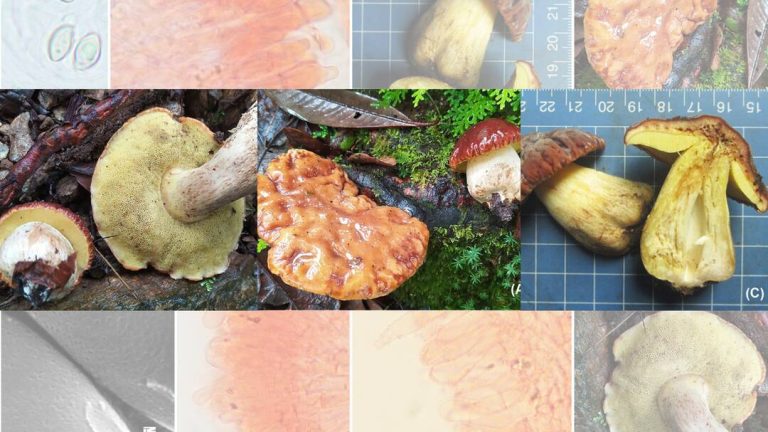
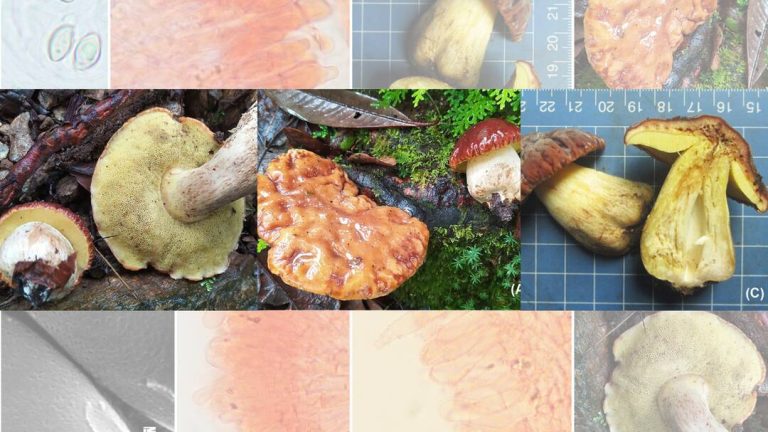
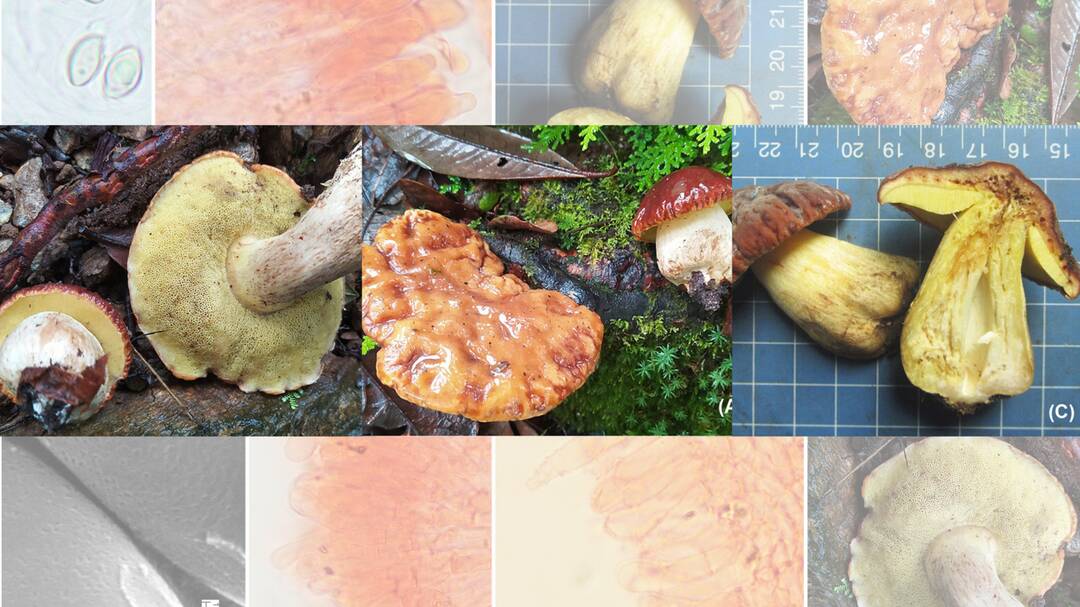
The world of fungi is a vast and mysterious one, with new species being discovered all the time. Recently, researchers at St. Xavier’s College, Jharkhand, made a groundbreaking discovery in the Himalayas, identifying a new species of mushroom that has never been seen before in India. This new species, called Hemileccinum indicum, is a significant find, not just because of its unique characteristics, but also because it sheds new light on the diversity of fungal life in the region.
The discovery was made at an altitude of 2,600 meters, in the oak forests of Uttarakhand. This is a region known for its rich biodiversity, and the discovery of Hemileccinum indicum is a testament to the fact that there is still much to be learned about the flora and fauna of this area. The researchers used a combination of DNA sequencing and electron microscopy to identify the new species, and their findings have been met with excitement and interest from the scientific community.
So, what makes Hemileccinum indicum so special? One of the key features of this new species is its unique “pitted” spores. Spores are the reproductive structures of fungi, and they play a crucial role in the life cycle of these organisms. The spores of Hemileccinum indicum are characterized by small pits or depressions on their surface, which is a distinctive feature that sets them apart from other species of mushrooms.
The use of DNA sequencing and electron microscopy was instrumental in identifying the unique characteristics of Hemileccinum indicum. DNA sequencing allows researchers to analyze the genetic material of an organism, which can provide valuable information about its evolutionary history and relationships to other species. Electron microscopy, on the other hand, allows researchers to study the morphology of an organism at a very high level of detail, which can be useful for identifying distinctive features such as the pitted spores of Hemileccinum indicum.
The discovery of Hemileccinum indicum is significant not just because of its unique characteristics, but also because it highlights the importance of continued exploration and research into the natural world. The fact that this species was found in a region that is already well-studied highlights the fact that there is still much to be learned about the diversity of life on Earth. It also underscores the importance of preserving and protecting natural habitats, such as the oak forests of Uttarakhand, which provide a home for a wide range of plant and animal species.
The discovery of Hemileccinum indicum is also a reminder of the importance of interdisciplinary research. The researchers who made this discovery used a combination of techniques from genetics, microscopy, and ecology to identify and characterize the new species. This kind of interdisciplinary approach is essential for making new discoveries and advancing our understanding of the natural world.
In addition to its scientific significance, the discovery of Hemileccinum indicum also has potential practical applications. Fungi are a rich source of new medicines, foods, and other products, and the discovery of new species can provide new opportunities for innovation and development. For example, some species of mushrooms are known to have antimicrobial properties, and could potentially be used to develop new antibiotics. Others are edible and could provide a new source of nutrition for local communities.
The discovery of Hemileccinum indicum is also a testament to the power of collaboration and international cooperation. The researchers who made this discovery worked together with colleagues from other institutions and countries, sharing their expertise and knowledge to advance our understanding of the natural world. This kind of collaboration is essential for addressing the global challenges we face, from climate change to biodiversity loss, and highlights the importance of working together to advance our knowledge and understanding of the world around us.
In conclusion, the discovery of Hemileccinum indicum is a significant find that highlights the importance of continued exploration and research into the natural world. The use of DNA sequencing and electron microscopy has allowed researchers to identify the unique characteristics of this new species, and has shed new light on the diversity of fungal life in the region. As we continue to learn more about the natural world, we are reminded of the importance of preserving and protecting natural habitats, and of the potential for new discoveries to lead to innovation and development.
News Source:
https://researchmatters.in/news/new-pitted-spore-mushroom-found-himalayas-oak-forests-uttarakhand
About the Author