Over 37% of cancer cases worldwide are preventable: WHO study
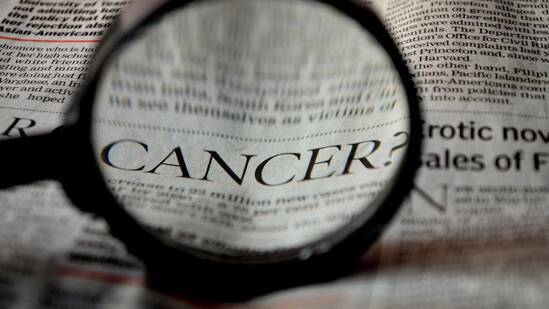
Cancer is one of the leading causes of death worldwide, accounting for millions of lives lost each year. The disease is a complex and multifaceted issue, with various factors contributing to its development and progression. However, a recent study by the World Health Organization (WHO) has shed new light on the preventability of cancer, revealing that over 37% of cases worldwide are linked to modifiable risk factors.
The study, which analyzed data from around the globe, identified several key factors that contribute to the development of cancer. These include tobacco use, alcohol consumption, air pollution, infections, high body mass index (BMI), and physical inactivity. According to the researchers, these risk factors are responsible for a significant proportion of cancer cases, and addressing them could potentially prevent millions of cases worldwide.
Tobacco use, in particular, is a major contributor to cancer cases. The WHO study found that tobacco use is responsible for over 20% of cancer cases worldwide, making it the leading cause of preventable cancer. The organization has long warned about the dangers of tobacco use, and has implemented various measures to reduce its use, including taxation, public education campaigns, and restrictions on advertising and sales.
Alcohol consumption is another significant risk factor for cancer. The study found that alcohol use is responsible for around 5% of cancer cases worldwide, with the majority of these cases being linked to breast, liver, and colorectal cancers. The WHO recommends that adults limit their alcohol intake to no more than two drinks per day for men and one drink per day for women.
Air pollution is also a major contributor to cancer cases, particularly in urban areas. The study found that exposure to outdoor air pollution is responsible for around 3% of cancer cases worldwide, with the majority of these cases being linked to lung cancer. The WHO has called for urgent action to reduce air pollution, including the implementation of cleaner energy sources, increased energy efficiency, and improved waste management.
Infections are also a significant risk factor for cancer, particularly in low- and middle-income countries. The study found that infections such as human papillomavirus (HPV) and hepatitis B are responsible for around 2% of cancer cases worldwide. The WHO recommends that individuals be vaccinated against these infections, and that governments implement public health programs to prevent their spread.
High body mass index (BMI) and physical inactivity are also significant risk factors for cancer. The study found that being overweight or obese is responsible for around 2% of cancer cases worldwide, with the majority of these cases being linked to breast, colon, and kidney cancers. The WHO recommends that adults engage in at least 150 minutes of moderate-intensity physical activity per week, and that they maintain a healthy weight through a balanced diet and regular exercise.
The WHO study highlights the importance of lifestyle changes, vaccination, and stronger public health policies in preventing cancer. By addressing these modifiable risk factors, millions of cancer cases could be prevented worldwide. The organization has called for governments, healthcare providers, and individuals to take action to reduce the burden of cancer, and to work together to create a healthier, more sustainable future.
The study’s findings have significant implications for global health policy and practice. They highlight the need for a comprehensive approach to cancer prevention, one that addresses the social, economic, and environmental determinants of health. This includes implementing policies to reduce tobacco use, promote healthy eating and physical activity, and improve access to vaccination and screening programs.
In conclusion, the WHO study provides a stark reminder of the importance of cancer prevention. By addressing modifiable risk factors such as tobacco use, alcohol consumption, air pollution, infections, high BMI, and physical inactivity, we can potentially prevent millions of cancer cases worldwide. It is imperative that governments, healthcare providers, and individuals work together to create a healthier, more sustainable future, and to reduce the burden of cancer on communities around the globe.
Source: https://www.nature.com/articles/s41591-026-04219-7
About the Author