Over 37% of cancer cases worldwide are preventable: WHO study
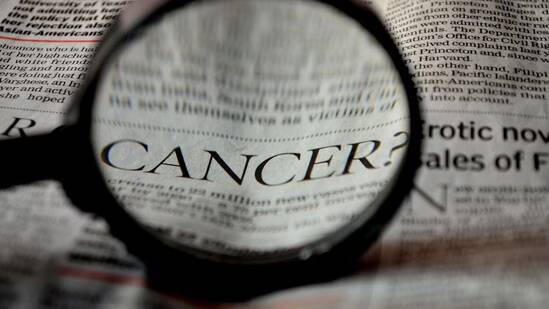
Cancer is one of the leading causes of death worldwide, with millions of people diagnosed with the disease every year. While cancer is often thought of as an inevitable and uncontrollable condition, a new study by the World Health Organization (WHO) has revealed that a significant proportion of cancer cases are actually preventable. According to the study, over 37% of cancer cases worldwide are linked to modifiable risk factors, highlighting the importance of lifestyle changes, vaccination, and stronger public health policies in reducing the burden of cancer.
The WHO analysis, which was based on data from 2019, identified several major causes of preventable cancer cases. Tobacco, alcohol, air pollution, infections, high body mass index (BMI), and physical inactivity were all found to be significant risk factors for cancer. These risk factors are not only common, but they are also largely preventable, meaning that millions of cancer cases could be avoided through simple changes to our daily lives.
Tobacco, for example, is a major cause of cancer worldwide, responsible for over 20% of cancer deaths. However, quitting smoking or avoiding tobacco products altogether can significantly reduce an individual’s risk of developing cancer. Similarly, reducing alcohol consumption can also lower the risk of certain types of cancer, such as liver and breast cancer. Air pollution, which is a growing concern in many parts of the world, can also be mitigated through the use of masks, air purifiers, and other measures to reduce exposure to pollutants.
Infections, such as human papillomavirus (HPV) and hepatitis B, are also major causes of cancer, particularly in low- and middle-income countries. However, vaccination against these infections can significantly reduce the risk of cancer. The HPV vaccine, for example, has been shown to be highly effective in preventing cervical cancer, as well as other types of cancer caused by the virus.
High body mass index (BMI) and physical inactivity are also significant risk factors for cancer. Maintaining a healthy weight through a balanced diet and regular exercise can reduce the risk of certain types of cancer, such as breast, colon, and kidney cancer. Additionally, incorporating physical activity into daily life, such as through walking or other forms of exercise, can also lower the risk of cancer.
The WHO study highlights the importance of addressing these modifiable risk factors through a combination of individual lifestyle changes and stronger public health policies. Governments, healthcare systems, and individuals all have a role to play in reducing the burden of cancer worldwide. By implementing policies to reduce tobacco use, promote vaccination, and encourage healthy lifestyles, millions of cancer cases could be prevented.
The study’s findings have significant implications for global health policy and practice. By prioritizing cancer prevention and early detection, healthcare systems can reduce the burden of cancer on individuals, families, and communities. Additionally, the study highlights the need for greater investment in cancer research and prevention, particularly in low- and middle-income countries where the burden of cancer is often highest.
In conclusion, the WHO study provides a powerful reminder that many cancer cases are preventable, and that simple changes to our daily lives can make a significant difference in reducing the risk of cancer. By addressing modifiable risk factors such as tobacco, alcohol, air pollution, infections, high BMI, and physical inactivity, we can all play a role in reducing the burden of cancer worldwide. As individuals, we can make lifestyle changes to reduce our own risk of cancer, and as a society, we can work together to create healthier environments and promote cancer prevention and early detection.
News Source: https://www.nature.com/articles/s41591-026-04219-7
About the Author