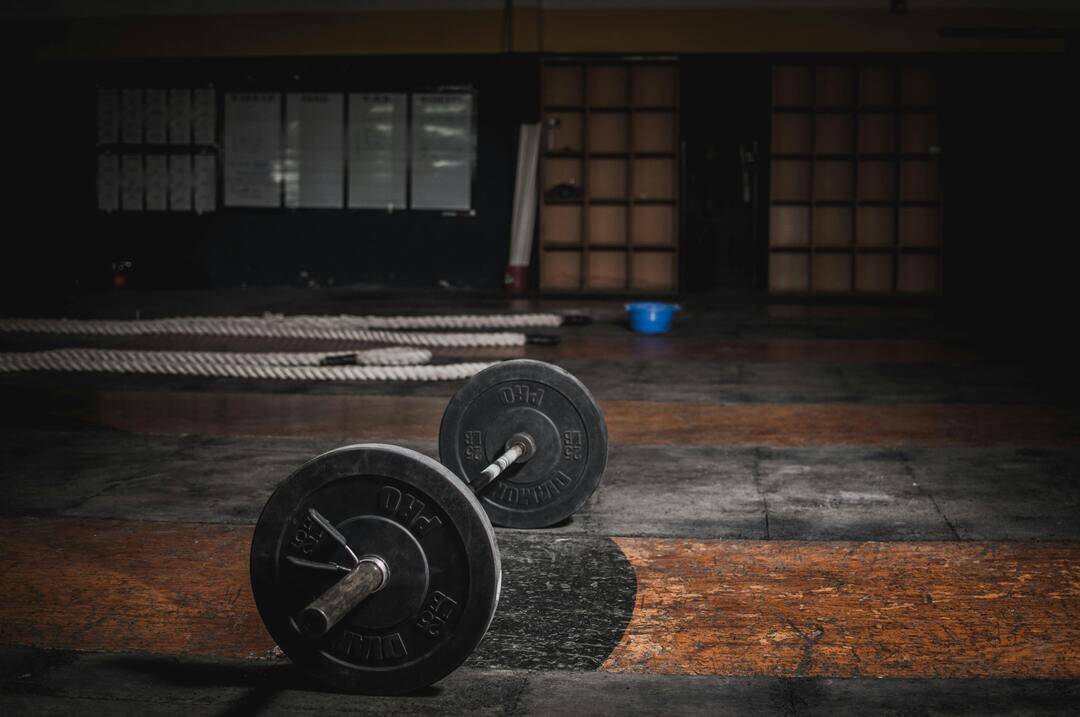
New study shows heavy weights not required for muscle growth
For decades, the fitness community has emphasized the importance of lifting heavy weights to build muscle. The notion that heavier weights are necessary for muscle growth has been deeply ingrained in the minds of gym-goers and athletes alike. However, a recent study published in The Journal of Physiology has challenged this conventional wisdom, revealing that lifting very heavy weights is not required to build muscle.
The study, which aimed to investigate the effects of different load ranges on muscle growth, found that both heavy and light loads produced similar muscle growth when sets were performed close to fatigue. This groundbreaking discovery has significant implications for the way we approach resistance training and challenges the long-held assumption that heavy weights are essential for building muscle.
The researchers behind the study sought to examine the relationship between load and muscle growth by comparing the effects of heavy and light loads on muscle protein synthesis, a key indicator of muscle growth. They recruited a group of healthy young men and divided them into two groups: one group performed resistance training with heavy loads (80-90% of their one-rep maximum), while the other group performed resistance training with light loads (30-50% of their one-rep maximum).
The results of the study showed that both groups experienced significant increases in muscle protein synthesis, indicating that muscle growth was occurring. However, the surprising finding was that the light load group achieved similar muscle growth to the heavy load group, despite lifting significantly less weight. This suggests that the amount of weight lifted may not be as important as previously thought, and that other factors such as training effort and consistency may play a more critical role in determining muscle growth.
So, what does this mean for individuals looking to build muscle? The study’s findings highlight the importance of training effort and consistency over the amount of weight lifted. Rather than focusing on lifting the heaviest weights possible, individuals should aim to perform sets that take them close to fatigue, regardless of the weight used. This approach will help to maximize muscle growth and strength gains, even with lighter loads.
The study’s results also have implications for individuals who may be limited by injury or other factors that prevent them from lifting heavy weights. For example, older adults or those with joint problems may need to use lighter weights to avoid exacerbating their condition. The study’s findings suggest that these individuals can still achieve significant muscle growth and strength gains, even with lighter loads, as long as they are performing sets that take them close to fatigue.
In addition to the study’s findings, it’s also important to consider the role of progressive overload in muscle growth. Progressive overload refers to the gradual increase in weight or resistance over time, and is a key factor in building muscle. While the study showed that heavy weights are not required for muscle growth, it’s still important to progressively increase the weight or resistance over time to continue challenging the muscles and promoting growth.
In conclusion, the study published in The Journal of Physiology provides compelling evidence that heavy weights are not required for muscle growth. The findings highlight the importance of training effort and consistency, and suggest that individuals can achieve significant muscle growth and strength gains with lighter loads, as long as they are performing sets that take them close to fatigue. Whether you’re a seasoned athlete or just starting out on your fitness journey, this study’s results offer a new perspective on resistance training and challenge the conventional wisdom that heavy weights are essential for building muscle.
Source: https://shop.thepfc.club/blogs/news/does-lifting-heavy-matter-for-muscle-growth
About the Author