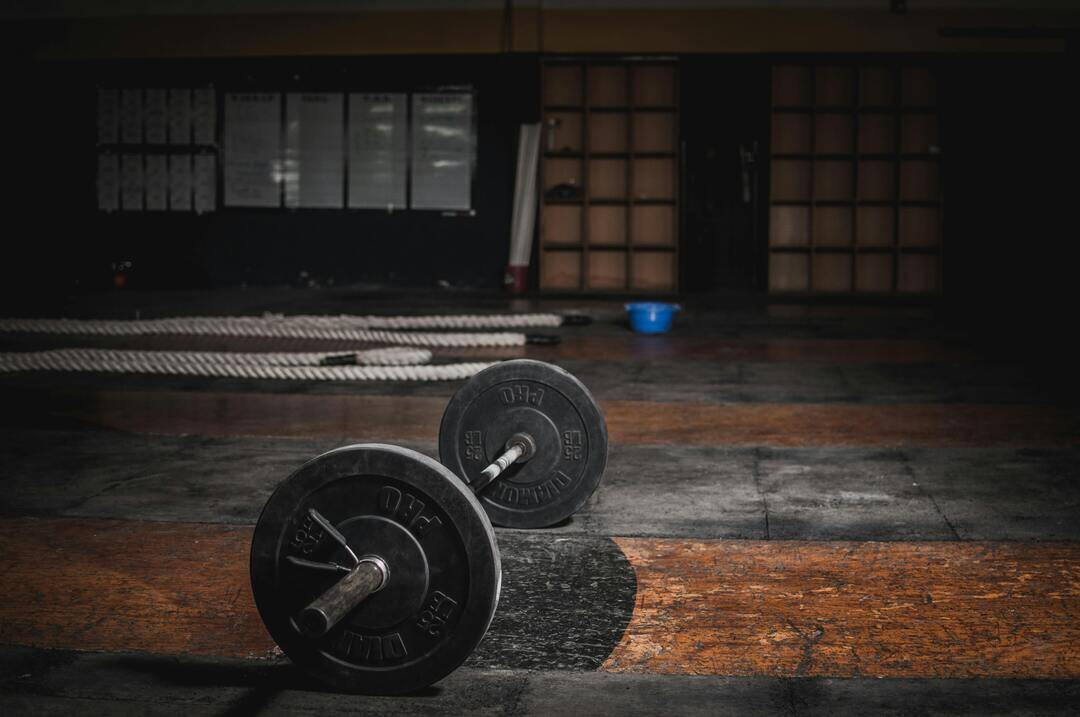
New study shows heavy weights not required for muscle growth
For decades, the concept of building muscle has been deeply rooted in the idea that lifting heavy weights is essential for achieving significant muscle growth. Many gym enthusiasts and athletes have been led to believe that the heavier the weight, the better the results. However, a recent study published in The Journal of Physiology has challenged this long-held notion, revealing that lifting very heavy weights is not required to build muscle.
The study, which aimed to investigate the effects of different load ranges on muscle growth, found that both heavy and light loads produced similar muscle growth when sets were performed close to fatigue. This groundbreaking discovery has significant implications for the way we approach resistance training and challenges the traditional wisdom that heavy weights are the only path to building muscle.
According to the researchers, the key to muscle growth is not the amount of weight lifted, but rather the training effort and consistency. The study showed that when sets were performed close to fatigue, the muscle growth response was similar regardless of the load used. This suggests that the body’s ability to adapt to resistance training is more dependent on the effort expended during exercise, rather than the weight itself.
The study’s findings are based on a comprehensive analysis of existing research on resistance training and muscle growth. The researchers analyzed data from numerous studies that compared the effects of different load ranges on muscle growth and found that the results were consistent across the board. Whether the weight was heavy or light, the muscle growth response was similar when sets were performed close to fatigue.
So, what does this mean for gym enthusiasts and athletes looking to build muscle? The take-home message is that you don’t need to lift extremely heavy weights to achieve significant muscle growth. In fact, the study suggests that using lighter weights and focusing on higher reps and sets can be just as effective, if not more so, than lifting heavy weights.
This is good news for individuals who may be limited by injuries or other health concerns that prevent them from lifting heavy weights. It also opens up new possibilities for resistance training programs, allowing individuals to experiment with different load ranges and training protocols to find what works best for them.
Moreover, the study’s findings highlight the importance of consistency and progressive overload in resistance training. Progressive overload refers to the gradual increase in weight, reps, or sets over time to challenge the muscles and stimulate growth. The study showed that consistent training and progressive overload were more important for muscle growth than the absolute weight lifted.
In practical terms, this means that individuals should focus on finding a weight that allows them to complete the desired number of reps with good form, rather than trying to lift the heaviest weight possible. It also means that rest and recovery are just as important as the training itself, as the body needs time to adapt and recover from the demands of resistance training.
The study’s findings also have implications for the fitness industry as a whole. For years, the emphasis has been on heavy weights and high-intensity training, with many gyms and training programs pushing individuals to lift heavier and heavier weights. However, this study suggests that this approach may not be the most effective or sustainable way to build muscle.
Instead, the focus should be on creating training programs that prioritize progressive overload, consistency, and proper form. This may involve using lighter weights and higher reps, as well as incorporating variety and periodization into training programs to avoid plateaus and prevent overtraining.
In conclusion, the study published in The Journal of Physiology is a game-changer for the fitness industry. It challenges the traditional wisdom that heavy weights are required for muscle growth and highlights the importance of training effort and consistency. Whether you’re a seasoned gym enthusiast or just starting out, the take-home message is clear: you don’t need to lift heavy weights to build muscle. Focus on finding a weight that allows you to complete the desired number of reps with good form, prioritize progressive overload and consistency, and don’t be afraid to experiment with different load ranges and training protocols.
News Source: https://shop.thepfc.club/blogs/news/does-lifting-heavy-matter-for-muscle-growth
About the Author