New research explains same-sex behaviour across animal species
Same-sex behaviour has long been observed in various animal species, leaving scientists and researchers puzzled about its purpose and origins. While it was once believed to be an anomaly or a rare occurrence, recent studies have shown that same-sex behaviour is more common than previously thought, with observations recorded in hundreds of species. A new study by researchers at Imperial College London has shed light on this phenomenon, providing insight into why same-sex behaviour is so prevalent across the animal kingdom.
The research, which covered hundreds of species, suggests that same-sex behaviour is not driven by genetics alone, but rather by environmental and social pressures. According to the study, same-sex behaviour serves as a mechanism to strengthen social bonds in complex or harsh environments, ultimately improving cooperation and survival. This groundbreaking discovery challenges previous assumptions about the origins of same-sex behaviour and provides a new understanding of the complex social dynamics at play in the animal kingdom.
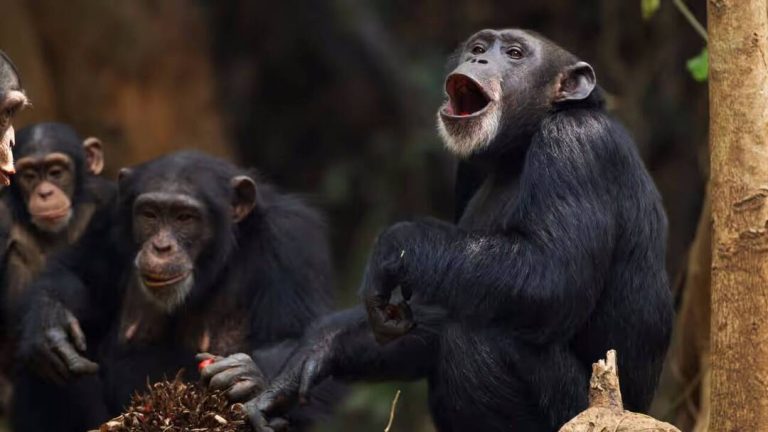
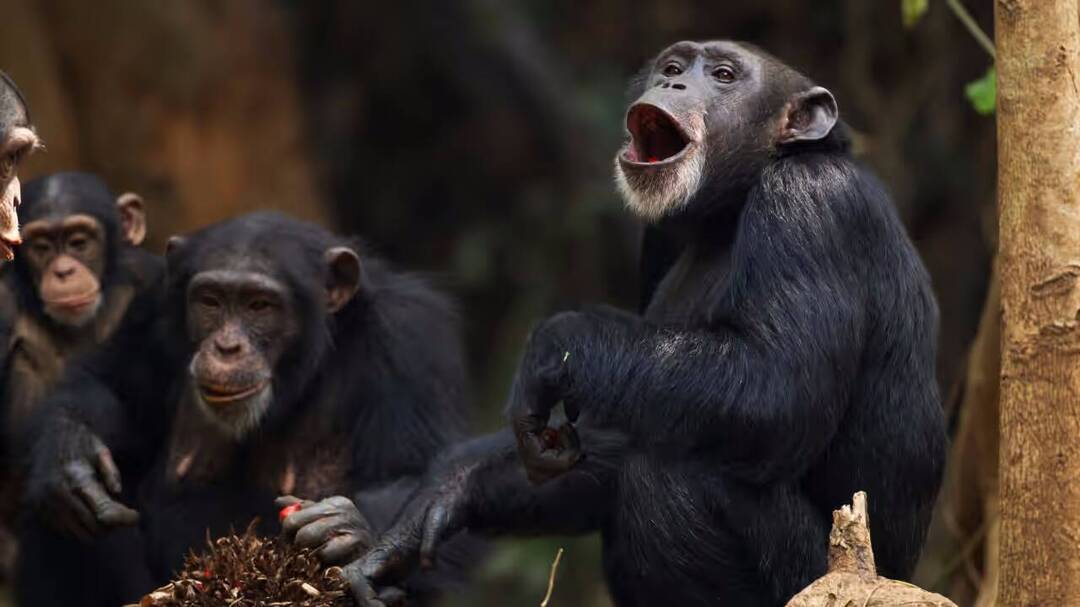
One of the key findings of the study is that same-sex behaviour is more common in species that live in complex social groups or in environments with high levels of stress or competition. For example, species that live in large groups, such as primates, dolphins, and elephants, exhibit higher levels of same-sex behaviour than those that live in smaller groups or are solitary. This suggests that same-sex behaviour plays a crucial role in maintaining social cohesion and cooperation in these groups, allowing individuals to form close bonds and work together to achieve common goals.
The study also found that same-sex behaviour is more prevalent in species that are subject to high levels of environmental stress, such as those that live in areas with limited resources or high predation pressure. In these environments, same-sex behaviour may serve as a way for individuals to form alliances and cooperate to improve their chances of survival. For example, in some species of birds, same-sex pairs will form during times of food scarcity, allowing them to work together to find food and protect their territory.
Another interesting finding of the study is that same-sex behaviour is not limited to mammals and birds, but is also observed in other animal groups, such as reptiles, amphibians, and fish. This suggests that same-sex behaviour is a widespread phenomenon that has evolved independently in different species, and is not unique to any particular group.
The researchers used a variety of methods to collect data for the study, including observations of animal behaviour in the wild and in captivity, as well as analysis of existing literature on the subject. They also used statistical models to identify patterns and correlations between same-sex behaviour and various environmental and social factors.
The implications of the study are significant, as they challenge previous assumptions about the origins of same-sex behaviour and provide a new understanding of the complex social dynamics at play in the animal kingdom. The findings also have important implications for conservation efforts, as they highlight the importance of considering the social and environmental context in which animals live.
In conclusion, the new research by Imperial College London provides a groundbreaking insight into the origins and purpose of same-sex behaviour in animals. By showing that same-sex behaviour is driven by environmental and social pressures, rather than genetics alone, the study challenges previous assumptions and provides a new understanding of the complex social dynamics at play in the animal kingdom. The findings of the study have important implications for our understanding of animal behaviour and social dynamics, and highlight the importance of considering the social and environmental context in which animals live.
The study’s findings also underscore the importance of continued research into the complex and fascinating world of animal behaviour. By studying the social and environmental factors that drive same-sex behaviour, scientists can gain a deeper understanding of the intricate relationships between animals and their environments, and how these relationships shape the evolution of behaviour.
As we continue to learn more about the natural world and the complex social dynamics at play in the animal kingdom, we are reminded of the importance of respecting and preserving the diversity of life on Earth. By promoting a greater understanding and appreciation of the natural world, we can work towards a future where all species can thrive and coexist in harmony.
For more information on this study, visit: https://newsable.asianetnews.com/international/science/scientists-discover-why-same-sex-behaviour-evolves-in-animal-species-articleshow-zd8b90h
About the Author