New research explains same-sex behaviour across animal species
For a long time, same-sex behaviour in animals has been a subject of fascination and debate among scientists and the general public alike. While it was once thought to be a rare and unusual phenomenon, research has shown that same-sex behaviour is actually quite common in the animal kingdom, with observations of same-sex courtship, mating, and pair-bonding in hundreds of species, from birds and mammals to fish and insects.
Despite its prevalence, the reasons behind same-sex behaviour in animals have remained poorly understood. Is it a result of genetic predisposition, or is it driven by environmental and social factors? A new study by researchers at Imperial College London has shed light on this question, suggesting that same-sex behaviour plays a crucial role in strengthening social bonds and improving cooperation and survival in complex or harsh environments.
The study, which covered hundreds of species, found that environmental and social pressures, rather than genetics alone, drive same-sex behaviour across the animal kingdom. This challenges the traditional view that same-sex behaviour is an anomaly or a byproduct of genetic mutations. Instead, the researchers propose that same-sex behaviour has evolved as an adaptive strategy to help animals cope with challenging environmental conditions and promote social cohesion.
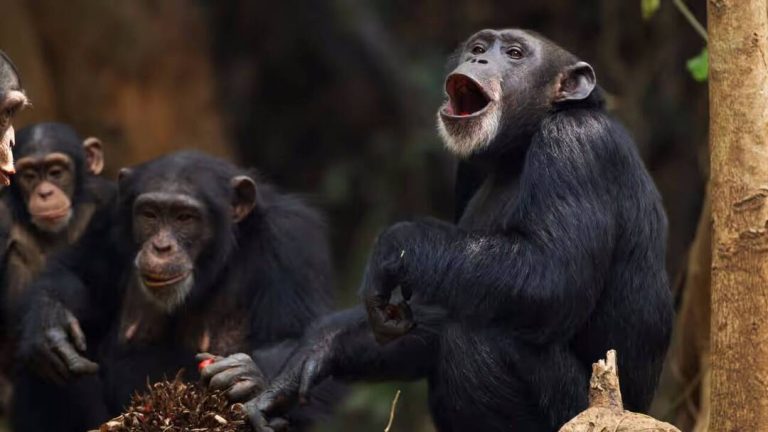
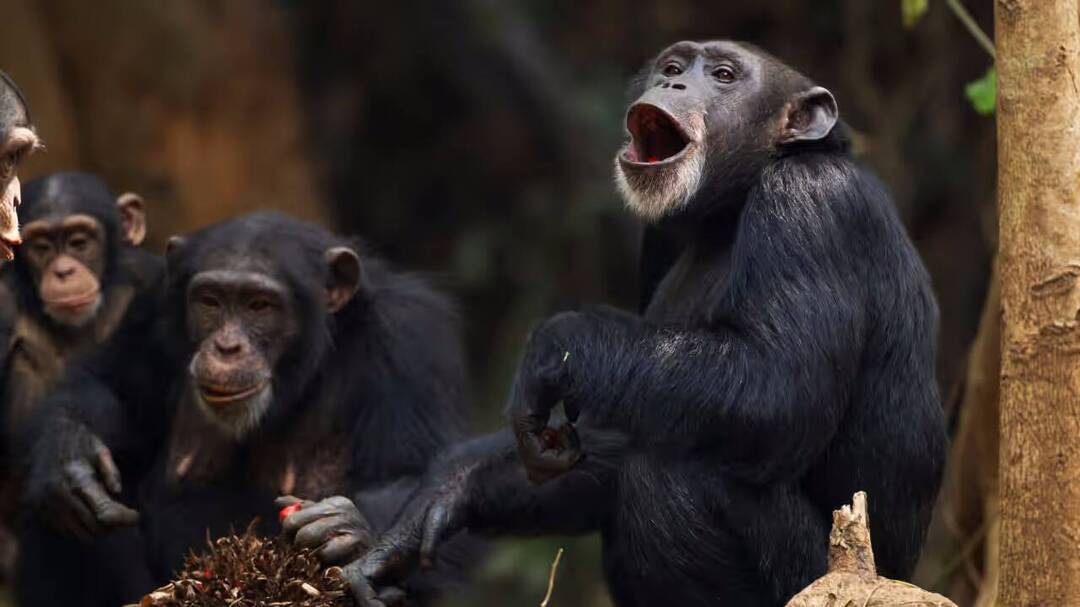
One of the key findings of the study is that same-sex behaviour is more common in species that live in complex or dynamic social groups. For example, in some species of birds, same-sex pairs will form during the breeding season, allowing individuals to practice and refine their parenting skills before mating with a member of the opposite sex. In other species, such as some primates and dolphins, same-sex behaviour is used to reinforce social bonds and establish dominance hierarchies.
The researchers also found that same-sex behaviour is more prevalent in species that live in harsh or unpredictable environments. For example, in some species of fish, same-sex pairs will form during periods of food scarcity, allowing individuals to cooperate and increase their chances of survival. Similarly, in some species of mammals, same-sex behaviour is used to reduce aggression and promote social cohesion during times of stress or conflict.
The study’s findings have significant implications for our understanding of animal behaviour and social evolution. They suggest that same-sex behaviour is not an anomaly or a deviation from the norm, but rather an adaptive strategy that has evolved to help animals cope with challenging environmental conditions and promote social cohesion.
The researchers used a variety of methods to collect and analyze data on same-sex behaviour in animals, including observational studies, experiments, and statistical modeling. They also drew on data from a range of sources, including field studies, laboratory experiments, and genetic analyses.
One of the strengths of the study is its broad scope and inclusivity. The researchers considered data from hundreds of species, representing a wide range of taxonomic groups and ecological contexts. This allowed them to identify patterns and trends that might not be apparent from studies of individual species or populations.
The study’s findings also have implications for conservation and animal welfare. By recognizing the importance of same-sex behaviour in animal social evolution, conservationists and animal welfare advocates can work to promote more inclusive and supportive environments for animals. This might involve providing opportunities for socialization and bonding, reducing stress and aggression, and promoting cooperation and mutual support.
In conclusion, the new study by researchers at Imperial College London provides a major breakthrough in our understanding of same-sex behaviour in animals. By showing that same-sex behaviour is an adaptive strategy that has evolved to help animals cope with challenging environmental conditions and promote social cohesion, the study challenges traditional views of animal behaviour and social evolution. The findings have significant implications for our understanding of animal behaviour, conservation, and animal welfare, and highlight the importance of recognizing and respecting the diversity and complexity of animal social behaviour.
About the Author